

Adjustable heat settings on a wearable let you dial in the exact warmth your body needs for period cramps, from a gentle simmer to a stronger, more penetrating heat. Clinical research backs this up: a large systematic review and meta-analysis found that heat therapy eases menstrual pain and can work about as well as NSAIDs for some people. The safest approach is simple: start on a low setting, watch how your skin feels, and increase only if you’re comfortable.
TL;DR:
- Adjustable heat settings should be kept within 100 to 107 degrees Fahrenheit to balance pain relief and safety, especially for extended use.
- Local heat therapy can reduce menstrual pain about as effectively as NSAIDs and has fewer side effects, according to a systematic review of 57 trials.
- Sessions of 15 to 30 minutes over the lower abdomen are recommended, starting on the lowest setting and increasing gradually until comfortable.
- Combining heat with massage or red-light therapy can enhance relief, with some devices offering independent controls for each feature.
- People with reduced skin sensation or circulation issues should use lower temperatures and consult a clinician if skin changes or severe cramps occur.
Table of Contents
- What the research says about heat therapy for period cramps
- Safe temperature ranges and why adjustable heat settings matter
- How to use adjustable heat settings safely and effectively
- What to look for in a cordless wearable with adjustable heat
- Gifting guide: choosing a discreet wearable with adjustable heat settings
- Why adjustable heat settings change the everyday experience
- NuFemme: built around adjustable heat, massage, and red light
- Sources
- FAQ
What the research says about heat therapy for period cramps
The clearest evidence comes from a systematic review and meta-analysis covering 57 randomized controlled trials and 5,359 participants with primary dysmenorrhea. It found that local heat therapy reduced menstrual pain compared with no treatment at all, and in some measures, it performed comparably or even slightly better than NSAIDs like ibuprofen. Just as notable: heat came with fewer adverse effects than the medication comparison group, with a reduced risk of side effects (RR of 0.30 across 8 trials and 728 participants), as shown in products like the Electric Heating Pad for period cramps and muscle relief.
Mayo Clinic backs this pattern in its own patient guidance, listing a hot bath, heating pad, or hot water bottle among the nonpharmacological options worth trying for cramps, alongside TENS units and lifestyle adjustments. This isn’t a niche recommendation. It’s a first-line self-care measure that clinicians routinely suggest before or alongside medication.
Red-light therapy, often paired with heat in modern wearables, is earning its own evidence base. An open clinical trial with 119 patients tested abdominal LED red-light sessions at 640 nanometers across three menstrual cycles and reported a meaningful drop in dysmenorrhea symptoms. A separate randomized cross-over trial of 46 women testing pulsed 630 nm light for 20 minutes a day found significant pain reduction versus a placebo, with no adverse events reported. Both trials are small and the field is still building consensus, but the direction is consistent: red light looks like a promising adjunct to heat, not a replacement for it.
Safe temperature ranges and why adjustable heat settings matter
Efficacy and safety sit close together with topical heat, which is exactly why adjustable settings matter. Practitioner guidance points to a target band of roughly 100 to 107 degrees Fahrenheit, or 38 to 42 degrees Celsius, as the sweet spot for wearable superficial heat therapy. Warm enough to work, but not so hot that it risks burning skin during extended wear.

The physiological reasoning is straightforward: heat increases blood flow to the lower abdomen and helps prostaglandins, the compounds behind cramping, disperse more efficiently. That’s a big part of why a heating pad feels like relief within minutes rather than hours.
Not everyone should crank the dial to the highest setting, though. People with reduced skin sensation, current skin damage, or certain circulation conditions face a higher risk of thermal injury at the same temperature that feels perfectly comfortable to someone else. This is where multiple heat levels genuinely earn their place on a wearable: they let you find your own effective, comfortable point instead of being stuck with one fixed, one-size-fits-all temperature.
How to use adjustable heat settings safely and effectively
Getting the most out of a heat wearable comes down to a few habits repeated consistently.
- Place the device low. Position it over the lower abdomen, where cramping concentrates, and give it 15 to 30 minutes per session.
- Start low, then climb. Begin on the lowest heat level for the first few minutes, then increase gradually until you find a setting that eases the ache without feeling hot to the touch.
- Pause and reassess. If a setting feels too intense, drop back down a level rather than pushing through discomfort.
- Layer in massage or red light. Many wearables let you combine heat with a massage speed or red-light mode, so adjust each independently until the combination feels right.
- Check your skin. Look for redness, numbness, or tingling during and after use, and stop immediately if you notice blistering or a loss of sensation.
Pro Tip: Wear the device over a thin layer of clothing rather than bare skin for your first few sessions, so you can gauge comfort before committing to direct contact.
If skin changes don’t fade shortly after you remove the device, or cramps remain severe despite consistent heat use, it’s worth checking in with a clinician rather than assuming a higher setting will fix it.
What to look for in a cordless wearable with adjustable heat
Not all heat wearables are built the same, and the difference usually shows up in the small details.
- Multiple heat levels with a genuine, noticeable difference between them, not just cosmetic labels.
- Automatic shutoff after a set period, so the device can’t overheat if you forget it’s on.
- Battery life long enough to last through a full workday or an overnight session.
- A discreet, slim profile that sits comfortably under regular clothing without shifting.
- Quiet operation, especially if massage functions are involved, so it doesn’t draw attention in shared spaces.
- Washable or wipeable covers for basic hygiene between uses.
- Simple, tactile controls you can operate one-handed, without needing to look at the device.
Temperature accuracy deserves special weight here. A device that claims adjustable heat but runs hotter than its labeled setting undermines the entire safety case for having levels in the first place, so clear, tested temperature limits are worth prioritizing over flashy extras. For a deeper look at what separates a well-built wearable heating pad from a gimmick, see this wearable heating pad guide.
Gifting guide: choosing a discreet wearable with adjustable heat settings
If you’re buying this for someone else, cordless and discreet should top your checklist. A device that needs an outlet or looks obviously medical defeats the purpose of giving comfort that fits into a normal day. Look for clear return and warranty policies too, since fit and comfort preferences are personal and hard to guess perfectly on the first try.
Finish and packaging matter more than people expect for a gift like this. A thoughtful color option and a presentation that doesn’t scream “drugstore aisle” signal that you actually paid attention, not that you grabbed something at the last minute. If you’re unsure what she’d prefer, a quiet, low-pressure question about comfort preferences during her period goes a lot further than guessing.

Why adjustable heat settings change the everyday experience
There’s something quietly dignified about relief that doesn’t require lying still with a plugged-in heating pad. Being able to adjust heat and massage settings on the go means cramps don’t have to dictate the entire shape of your day. Different pain patterns call for different intensities, and having that range built into one device, rather than juggling a heating pad for one thing and a separate massager for another, makes a real difference. Many people report feeling that relief within minutes, not hours.
— Lavinia
NuFemme: built around adjustable heat, massage, and red light
NuFemme is a cordless wearable that combines heat, massage, and red-light therapy in one belt, worn discreetly under clothing so relief doesn’t have to wait for a plugged-in heating pad.
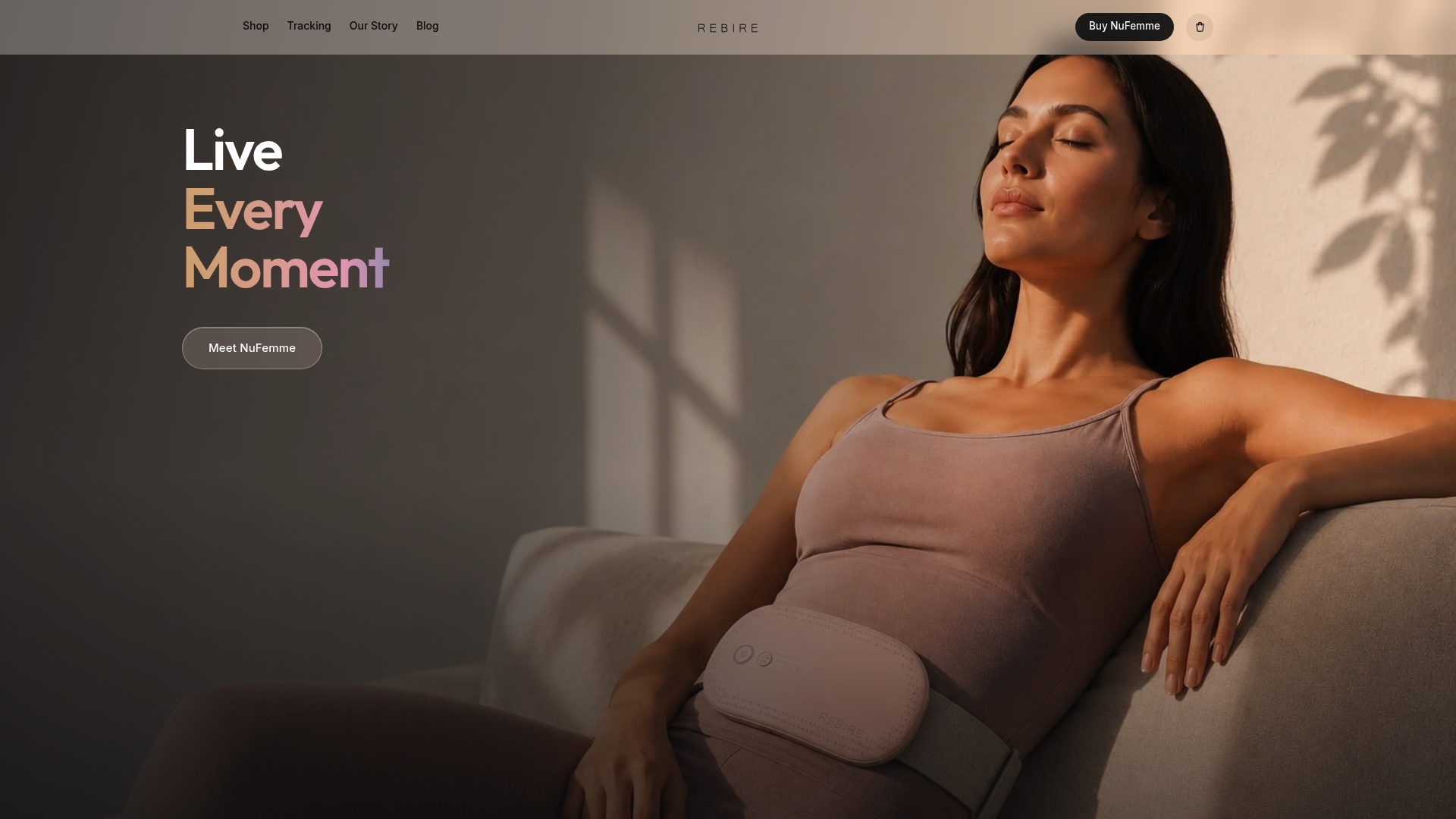
- Three heat levels and three massage speeds to match your own comfort, whether you’re at a desk or running errands.
- A premium finish, designed to feel like a considered gift rather than a last-minute pickup.
- Many users report reduced pain within 15 minutes of use.
Check specifications, sizing, and return details on the NuFemme product page, where you can also complete a purchase directly.
This article is general information, not a substitute for advice from a qualified doctor. Consult a qualified healthcare professional about your own circumstances before acting on anything here.
Sources
- Heat therapy for primary dysmenorrhea: a systematic review and meta-analysis - PMC
- Menstrual cramps - Diagnosis & treatment - Mayo Clinic
- LED red light therapy for relief of primary dysmenorrhea: An open, single-group target value clinical trial | PLOS One
- Bypassing the Heat Risk and Efficacy Limitations of Pulsed 630 nm LED Photobiomodulation Therapy for Anti-Primary Dysmenorrhea: A Prospective Randomized Cross-Over Trial
- Practitioner guidance on wearable superficial heat therapy temperature and safety - Frontiers in Medicine
FAQ
What temperature should adjustable heat settings reach for cramps?
Practitioner guidance suggests a target band of roughly 100 to 107 degrees Fahrenheit, or 38 to 42 degrees Celsius for wearable superficial heat therapy. This range balances efficacy and safety to reduce risk of thermal injury during extended use.
Does heat therapy really help with period cramps?
Yes. A large systematic review of 57 trials found local heat reduced menstrual pain compared with no treatment and performed comparably to NSAIDs in some measures, with fewer side effects. Mayo Clinic also lists heat among its recommended self-care options for cramps.
How long should I use a heat setting during a cramp session?
A typical session runs 15 to 30 minutes over the lower abdomen, starting on a low setting and increasing only if it stays comfortable. Stop and check your skin if you notice redness, numbness, or tingling.
Can I combine heat with massage or red-light therapy?
Yes, many wearables let you adjust heat, massage, and red-light settings independently, and small trials on pulsed red light suggest it can work well as an adjunct to heat. NuFemme offers three heat levels and three massage speeds alongside red-light therapy in one device, available on the NuFemme product page.
Is it safe to use adjustable heat every day during my period?
For most people without skin damage or reduced sensation, daily use during your period is generally considered safe within the recommended temperature range. If you have a circulation condition, numbness, or any skin concerns, check with a clinician before regular use.