

The fastest drug-free, portable relief for period cramps comes from a cordless wearable that combines heat, massage, and red-light therapy in one device. Heat eases pain almost immediately, and clinical research backs up red-light therapy for longer-lasting comfort. Some users report major pain reduction within 15 minutes of starting a session. Below, you’ll find the safety notes and buying guidance you need before choosing one.
TL;DR:
- Heat therapy provides fast relief by relaxing uterine muscles and increasing blood flow, often within minutes, and has been shown to be as effective as NSAIDs with fewer side effects.
- Red-light therapy builds its benefits gradually over multiple cycles, effectively reducing menstrual pain without serious adverse effects, but requires consistent use over time.
- Cordless devices combining heat, massage, and red light offer discreet, portable relief and can reduce pain within 15 minutes, especially when used regularly throughout the cycle.
- Proper device features such as adjustable heat, multiple massage speeds, and safety mechanisms like auto-shutoff are crucial for effective and safe long-term use.
- If menstrual pain worsens, involves abnormal bleeding or fever, or persists beyond three months of home treatments, consulting a healthcare professional is advised.
Table of Contents
- How heat, vibration, and red-light therapy ease menstrual pain
- What the research says about heat and red-light therapy
- Fast, portable drug-free options you can use right away
- How to choose a cordless wearable: what actually matters
- Safety, common pitfalls, and when to see a doctor
- How different birth control methods affect cramping
- Devices versus pills: weighing your options
- What wearing one through a real month taught me
- NuFemme: a cordless option built for real days
- Studies worth reading next
- Sources
- FAQ
How heat, vibration, and red-light therapy ease menstrual pain
Each of these three approaches works on your body in a different way, and understanding the mechanics helps explain why combining them can feel more effective than relying on just one.
Heat is the simplest to understand. It widens blood vessels near the skin, which increases local blood flow and relaxes the tight uterine muscles causing your cramps. That’s why a warm compress or heating pad brings relief within minutes rather than hours.
Vibration and massage work through a different pathway. Gentle, rhythmic pressure interrupts the pain signals traveling to your brain, a process researchers call gate-control modulation. It also loosens tense muscles around your lower abdomen, so the ache feels less sharp.
Red-light therapy, also called photobiomodulation, works more slowly but reaches deeper. Low-level light wavelengths are thought to influence cellular activity and calm inflammatory signaling in the pelvic area. Unlike heat, which gives quick relief, red light often needs repeated sessions to build its full effect.
- Heat relaxes muscles and boosts circulation for fast, surface-level comfort.
- Vibration interrupts pain signals and reduces how intense cramps feel in the moment.
- Red light works on inflammation at a cellular level, often improving with consistent use.
Combining all three in one device means you’re addressing both the sharp, immediate pain and the deeper, slower-building discomfort at the same time.
What the research says about heat and red-light therapy
The evidence behind these two therapies is more solid than most people expect, especially for heat.
A 2026 systematic review and meta-analysis of heat therapy for primary dysmenorrhea pooled 57 randomized controlled trials covering 5,359 participants. It found that topical heat meaningfully reduced pain intensity compared with no treatment at all, and in some trials performed comparably to NSAIDs like ibuprofen. Heat also carried a lower risk of side effects than NSAIDs across the included trials.

One of the most reassuring findings from that review is that heat showed a lower rate of adverse effects than NSAIDs in several trials, which matters if you’re someone who gets stomach upset or other reactions from over-the-counter pain medication.
Red-light therapy has a smaller but still meaningful research base. A randomized, double-blind, placebo-controlled trial of low-level light therapy found significant reductions in menstrual pain scores compared with placebo, with no serious adverse events reported. A separate open-label trial of LED red light therapy involving over 100 participants reported a large reduction in mean pain scores after three menstrual cycles, with a high overall effective rate and minimal device-related side effects.
A few limitations are worth naming. Study protocols vary in session length and light wavelength, and sample sizes, while reasonable, aren’t huge. The practical takeaway: heat gets you quick relief this cycle, while red light tends to build its benefit over a few cycles of consistent use.
Fast, portable drug-free options you can use right away
When cramps hit and you need relief now, a few drug-free options stand out for speed, discretion, or simplicity.
- Cordless wearables combining heat, massage, and red light fit under clothing and move with you through a workday or errands, making them the most discreet all-in-one option.
- Disposable adhesive heat patches warm up quickly and work well for a single use, though they carry burn risk if left on too long or worn while sleeping.
- Portable TENS units deliver small electrical pulses that can reduce pain, but they require correct electrode placement and are not suitable for anyone with a pacemaker or other implanted device.
- Self-acupressure on points near your lower abdomen or inner ankle can offer modest relief when no device is on hand.
- Light movement, like a short walk or gentle stretching, helps loosen pelvic muscles and can ease cramping within minutes.
Pick based on what you need most. A cordless wearable suits a full day of discreet relief, a heat patch works for a quick fix, and acupressure or movement fills the gap when you have nothing else with you.
How to choose a cordless wearable: what actually matters
Not all wearables are built the same, and a few features separate a device that actually helps from one that sits in a drawer.
- Adjustable heat levels let you match intensity to your pain that day instead of settling for one fixed setting. Our guide on safe heat settings breaks down what range works best and when.
- Multiple massage speeds give you control over how much pressure feels soothing versus irritating; the evidence on vibration for cramps supports having more than one speed option.
- Red-light specs should be documented, not vague, so you know what wavelength and dosage you’re actually getting.
- Safe temperature caps and auto-shutoff prevent overheating during long wear.
- Battery life matters if you plan to wear it through a workday rather than just at home. Our wearable heating pad guide covers what to check before buying.
- Discreet design and washable materials make daily wear practical and comfortable under regular clothing.
If you’re buying one as a gift, finish and packaging matter just as much as function. A premium color option and thoughtful presentation turn a practical device into something that feels considered.
Pro Tip: Check the return policy before gifting a wearable, since comfort preferences for heat and massage intensity are personal and your recipient may want to adjust settings before deciding it’s right for them.
Safety, common pitfalls, and when to see a doctor
Most wearable devices are low-risk when used as directed, but a few habits cause avoidable problems.
- Never apply heat over creams, oils, or lotions, which can trap heat against the skin and raise burn risk, a pattern seen in research on topical heat device safety.
- Avoid sleeping with disposable exothermic patches still attached, since prolonged, unmonitored contact increases burn risk.
- If you have a pacemaker or other implanted device, talk to a clinician before using TENS-style devices.
- Watch for red flags like progressively worsening pain, bleeding between periods, fever, or cramps that don’t improve despite consistent at-home care, since these can point to secondary causes like endometriosis.
If nonpharmacologic methods haven’t helped after about three months, or your pain is severe enough to disrupt daily life, it’s worth scheduling a medical evaluation for dysmenorrhea.
How different birth control methods affect cramping
If you use hormonal birth control, the type you’re on can change how much cramping you experience. Combined pills, which contain both estrogen and progestin, often thin the uterine lining over time, and a thinner lining generally means less intense cramping for many users. Progestin-only options, including certain IUDs, can reduce cramps substantially for some people, though the first few months of adjustment sometimes bring irregular spotting or temporary discomfort.
Hormonal IUDs in particular are associated with lighter periods and reduced cramping for many users after an initial adjustment period, while copper IUDs, which contain no hormones, are more likely to increase cramping and heavier bleeding for some people. The patch and vaginal ring work similarly to combined pills in how they affect the uterine lining, so their effect on cramping tends to follow a similar pattern.
None of this means hormonal birth control is a cramp-relief strategy on its own, and switching methods purely to manage pain is a conversation to have with your healthcare provider rather than a decision to make alone. What matters for this guide is that your baseline cramp level, with or without hormonal birth control, is exactly where drug-free tools like heat, massage, and red light can step in without adding medication on top of medication.
Devices versus pills: weighing your options
Over-the-counter pain relievers like ibuprofen or naproxen remain a common first response to cramps, and they work by reducing the inflammatory compounds that cause uterine contractions. They’re fast and widely available, but they come with a tradeoff: regular use can cause stomach irritation, and some people simply don’t want to take medication every month if they can avoid it.
Device-based relief sidesteps that tradeoff. Heat and massage act within minutes without affecting your digestive system, and the systematic review on heat therapy found a lower rate of adverse effects compared with NSAIDs in the trials reviewed. Red-light therapy adds a slower-building anti-inflammatory benefit without any pills at all.
The two approaches aren’t mutually exclusive. Exercise, dietary adjustments like reducing caffeine and salt, and relaxation techniques such as slow breathing can all complement either path. For many people, the real comparison isn’t device versus pill: it’s finding a combination that reduces how often you reach for medication at all, which is where a wearable earns its place in the drug-free toolkit the broader overview of drug-free options lays out.
What wearing one through a real month taught me
Using a wearable through a full cycle teaches you something a product description can’t: relief builds, it doesn’t just switch on. Heat helps almost instantly, but the real comfort came from wearing it consistently, not just reaching for it in a crisis.
Gifting one well starts with timing. Giving it before a hard week, not during one, says you noticed the pattern without making it about an emergency. A short, sincere note beats a long explanation.
For the person receiving it, set expectations early: it’s comfort, not a cure, and it fits into a day rather than replacing one.
— Lavinia
NuFemme: a cordless option built for real days
If you want the combination described throughout this guide in one device, NuFemme pairs heat, massage, and red-light therapy in a single cordless belt you wear under your clothes.
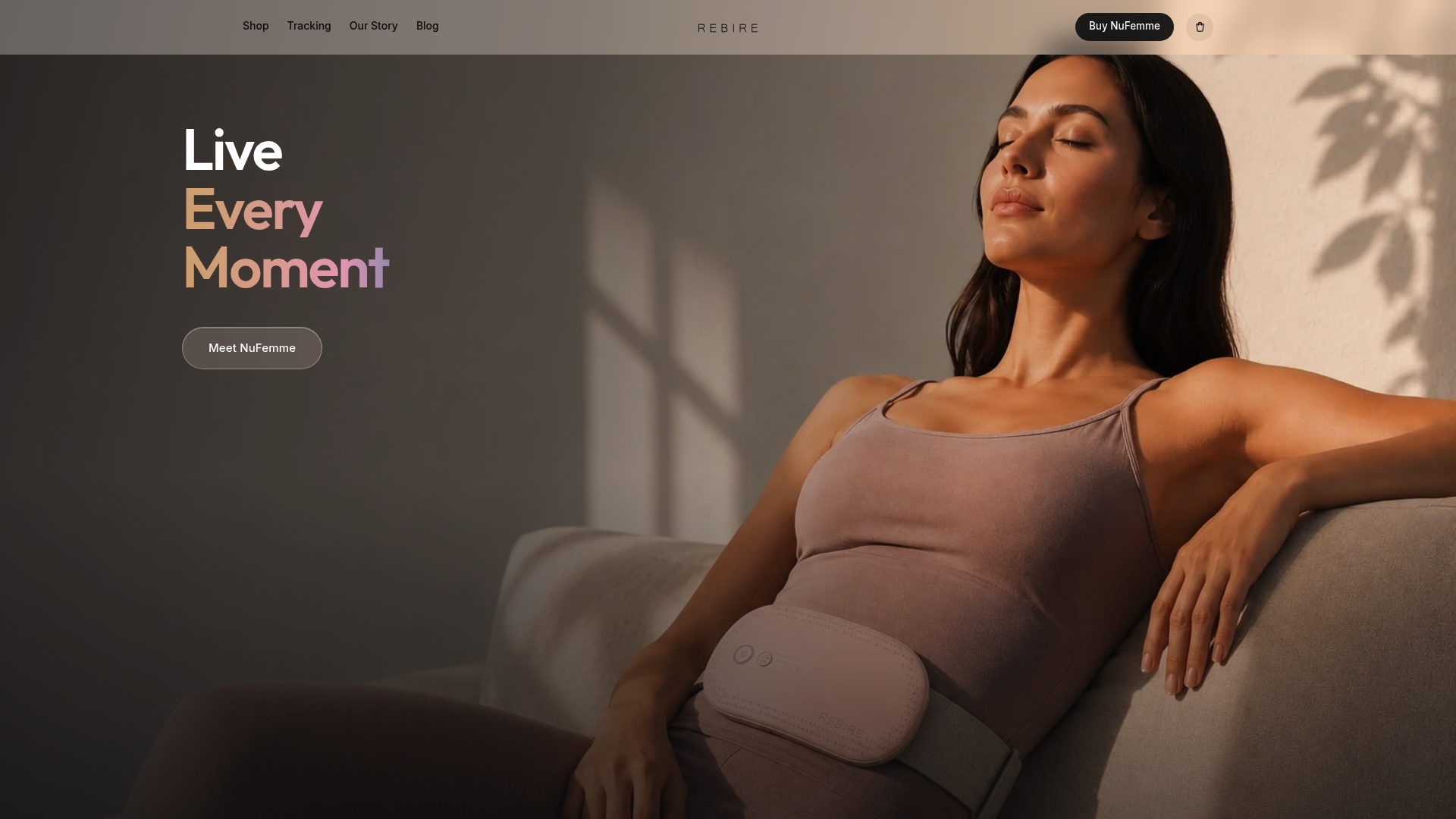
Unlike a plug-in heating pad that ties you to a couch, NuFemme moves through a workday, an errand run, or a quiet evening without a cord in sight.
- NuFemme combines heat, massage, and red-light therapy in one wearable belt, with no separate devices to manage.
- Some users have reported reduced pain within 15 minutes of use, a detail worth knowing if you need relief between meetings or on the move.
- Multiple heat levels and massage speeds let you dial in comfort rather than settling for one fixed intensity.
For gift-givers, NuFemme comes finished in Rose Gold or Ivory, built to feel like something chosen with care rather than grabbed at a drugstore counter. If portability during the workday matters most, the workday relief page walks through how it fits into a full schedule, and if you’re buying for someone else, the gifting page has presentation ideas worth seeing before you check out.
Studies worth reading next
- Heat therapy for primary dysmenorrhea: systematic review
- Low-level light therapy RCT for dysmenorrhea
- LED red light therapy open clinical trial
- Pulsed 630 nm photobiomodulation trial
This article is general information, not a substitute for advice from a qualified doctor. Consult a qualified healthcare professional about your own circumstances before acting on anything here.
Sources
- Heat therapy for primary dysmenorrhea: a systematic review and meta-analysis - PubMed
- Bypassing the Heat Risk and Efficacy Limitations of Pulsed 630 nm LED Photobiomodulation Therapy for Anti-Primary Dysmenorrhea - MDPI
- Randomized controlled trial of the efficacy and safety of self-adhesive low-level light therapy in women with primary dysmenorrhea - PubMed
- LED red light therapy for relief of primary dysmenorrhea: An open, single-group target value clinical trial | PLOS One
FAQ
Does heat really help with period cramps, or is it just a feeling?
Heat increases local blood flow and relaxes uterine muscle, which measurably reduces pain intensity rather than just distracting from it. A systematic review of 57 trials found heat reduced pain compared with no treatment and performed comparably to NSAIDs in some studies.
How fast does red-light therapy work for cramps?
Red-light therapy tends to build its effect over repeated use rather than working instantly like heat. A clinical trial of LED red light therapy found a 63.62% reduction in pain scores, but only after three full menstrual cycles of consistent use.
Is a wearable device safer than taking ibuprofen every month?
Both are considered reasonable options, but heat-based devices showed a lower rate of adverse effects than NSAIDs in trials reviewed in a recent systematic review, making them a fit for people who want to avoid regular medication use. Anyone with ongoing or worsening pain should still talk to a healthcare provider.
What should I look for when buying a wearable as a gift?
Look for adjustable heat levels, multiple massage speeds, and a discreet design that fits comfortably under clothing. Premium finishes can make a device suited for gifting rather than just personal use.
When should I stop using home remedies and see a doctor about cramps?
If cramps worsen progressively, come with abnormal bleeding or fever, or don’t improve after about three months of consistent nonpharmacologic care, it’s time to schedule a medical evaluation. These patterns can point to an underlying condition such as endometriosis that needs direct clinical attention.