

The fastest fix when cramps hit at your desk: apply heat to your lower belly, take an NSAID if that’s part of your normal routine and it’s safe for you, sip water, grab a small snack, and step away for a five- to ten-minute walk or bathroom break. Breathe slowly while you wait for relief to kick in. If the pain feels new, unusually severe, or comes with fever or heavy bleeding, treat that as a signal to call your healthcare provider, not just push through it.
TL;DR:
- Using heat patches or hand warmers can relieve cramps within 15 to 20 minutes by relaxing uterine muscles and increasing blood flow.
- Taking NSAIDs with food at your usual dose can reduce prostaglandin activity and lessen pain, but should be discussed with a healthcare provider if concerns arise.
- Simple desk exercises like pelvic tilts, short walks, and paced breathing can effectively alleviate discomfort during cramps.
- Building a small, stocked kit with heat sources, NSAIDs, snacks, water, and comfortable clothing helps manage symptoms proactively at work.
- Wearable devices like NuFemme offer adjustable heat, massage, and red-light therapy, providing continuous relief without the limitations of traditional heat patches.
Table of Contents
- Practical, discreet relief techniques to use at your desk
- What to pack and how to prepare before a workday
- How to ask for breaks, restroom access, and quiet accommodations
- Preventive strategies and when cramps need a clinician
- A discreet, portable wearable option for work
- Why period pain at work deserves an honest conversation
- A more comfortable way to get through the workday
- Sources
- FAQ
Practical, discreet relief techniques to use at your desk
Heat is your quickest tool. A disposable heat patch stuck to your lower abdomen or a hand warmer pressed against your belly can start easing cramp intensity within 15 to 20 minutes, largely because warmth relaxes the uterine muscle and improves blood flow to the area. ACOG notes that heat and NSAIDs are both evidence-based first-line self-care measures for the prostaglandin-driven cramping behind most period pain.
If ibuprofen or naproxen is already part of your routine, taking it with food and at the dose your body tolerates can blunt prostaglandin activity before pain peaks. Skip the guesswork if you’re combining it with other medications or dealing with cramps that don’t respond to your usual dose. That pattern is worth a conversation with a clinician rather than a habit you repeat every month.
Movement helps more than most people expect. A few desk-friendly options:
- Do a seated pelvic tilt: rock your hips forward and back slowly for 30 seconds.
- Walk to the far bathroom or take the stairs once to loosen tight muscles.
- Roll your shoulders back and sit slightly forward to take pressure off your lower back.
Paced breathing gives you something to do while you wait for heat or medication to work. Try inhaling for four counts, holding for two, and exhaling for six, repeating until your shoulders drop. Pair that with a quick body scan: tense your fists for five seconds, then release, moving that same tension and release through your legs and lower back.
Small comforts add up. A cushioned seat pad reduces pressure on your pelvis if you sit most of the day, and looser waistbands stop fabric from pressing on an already tender belly. When a heat patch isn’t an option, a mug of hot tea or water held against your stomach works as a low-key stand-in. For more drug-free tactics you can rotate through, this guide to relieving cramps without medication covers positioning and massage techniques you can do seated.
Pro Tip: Keep one heat patch stuck to the inside of a drawer at all times so you’re never caught without your fastest option.

What to pack and how to prepare before a workday
The difference between a manageable cramp day and a miserable one often comes down to what’s already in your bag. Build a small kit and keep it stocked:
- Disposable heat patches or a rechargeable hand warmer.
- Your usual NSAID, if that’s part of your routine.
- Spare underwear, wipes, and a small opaque disposal bag.
- A refillable water bottle and an easy snack like nuts or a granola bar.
- A portable seat cushion, if prolonged sitting tends to worsen your pain.
Wear layers you can adjust without drawing attention. A cardigan over a looser top gives you room to breathe without breaking a dress code, and elastic-waist pants beat anything that digs in by afternoon.
Keep a backup stash somewhere besides your bag: a desk drawer, a locker, or your car console works. Replenish it the same week your period usually ends so you’re never scrambling. If you track your cycle, use those dates to prep your kit one to two days ahead rather than the morning symptoms actually start. A detailed period-kit checklist from SweeTee Beauty is a useful reference if you want to build out a more complete version.
How to ask for breaks, restroom access, and quiet accommodations
You don’t need to explain your entire medical history to get a few minutes of relief. Short, direct requests work best:
- “I need about ten minutes, I’ll be back shortly.” No further detail required.
- “Would it be possible to work from home today? I’m not feeling well.”
- “Can we swap my afternoon shift with someone? I’m dealing with some pain today.”
OSHA guidance is clear that employers must provide timely access to restroom facilities, and any restrictions on bathroom use have to be reasonable and evaluated on a case-by-case basis. That’s a useful thing to know if a supervisor ever pushes back on a quick break request, though most days it never needs to come up at all.
If your pain is disrupting entire workdays on a regular basis, that’s a conversation for Human Resources rather than a direct manager. Asking about flexible scheduling or a general wellness policy keeps things professional without requiring you to disclose symptoms you’d rather keep private. Keeping a simple symptom tracker, noting which days you needed accommodations and why, makes that conversation faster and more concrete if you ever need to formalize anything.
If you do decide to loop in a trusted coworker, the ask is simple: cover for you for ten minutes, don’t make it a thing. Most people are relieved to be told exactly what’s helpful instead of guessing.
Preventive strategies and when cramps need a clinician
Cramps you can predict are easier to manage than cramps that catch you off guard. A few habits that tend to reduce severity over time:
- Regular aerobic movement, even brisk walking a few times a week, is associated with milder cramps for many people.
- Prioritizing sleep and staying hydrated through your cycle helps blunt pain spikes.
- Some people find magnesium worth discussing with a clinician as a nonprescription option.
- Hormonal birth control is sometimes discussed with a provider for people whose cramps interfere with daily life month after month.
Certain symptoms are not something to just wait out. MedlinePlus advises contacting a healthcare provider if cramps suddenly worsen, occur outside your period, come with fever, or stop responding to NSAIDs and heat that used to work. Severe pain that stops you from standing up straight, fainting, or unusually heavy bleeding also belong in that category. Bring a few months of tracked symptoms to that appointment. It gives your provider something concrete to work from instead of a vague description of “bad cramps.”
A discreet, portable wearable option for work
Heat patches and hand warmers work, but they cool down, shift out of place, or run out exactly when you need them most. That’s the gap a wearable like NuFemme is built to close: a cordless belt that combines heat, vibration massage, and red-light therapy in one device you wear under your clothes.
- Three heat levels and three massage speeds let you adjust intensity through the day rather than committing to one setting.
- It’s rechargeable and cordless, so there’s no outlet to hunt for and no cord to hide at your desk.
- A large majority of users reported reduced pain within 15 minutes according to Rebire’s internal user data, a figure worth knowing if you’re deciding whether a wearable fits your routine.
- Follow the product’s charging and skin-contact guidance the same way you would for any wearable heat device, and stop use if your skin reacts.
None of this replaces medical care for severe or unusual pain. It’s a tool for the ordinary, monthly kind of cramping that a heat patch already helps, just without needing to reapply one every hour.
Why period pain at work deserves an honest conversation
Cramps at work carry a strange kind of stigma. You’re expected to power through without missing a beat, and admitting you’re in pain can feel like handing someone a reason to doubt you. That’s backward. Planning ahead with a kit, knowing a few scripts for asking for a break, and tracking your symptoms are not signs of weakness, they’re just good management of something your body does every month.
The more we talk about it plainly, the less each of us has to carry alone.
— Lavinia
A more comfortable way to get through the workday
If you’re tired of racing a heat patch’s cooldown timer or rationing NSAIDs through an eight hour shift, NuFemme gives you a steadier option: heat, massage, and red-light therapy in one cordless belt you can wear under your clothes without anyone noticing. Unlike a drugstore heating pad tethered to an outlet, it moves with you between meetings, your commute, and your desk.
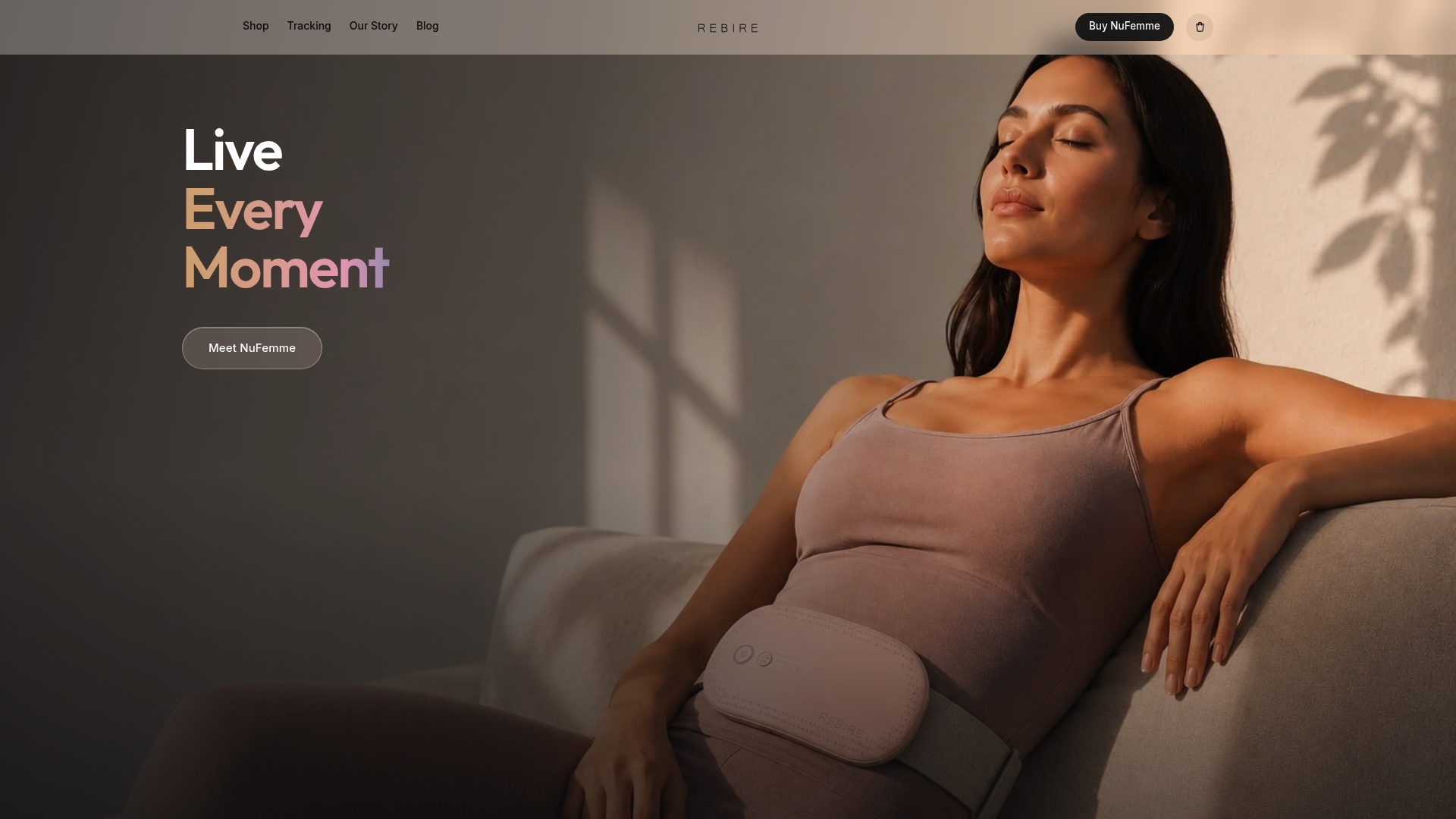
It also solves a different problem entirely if you’re shopping for someone else. A partner who’s noticed what she goes through every month has something better to give than a last-minute pharmacy run, and NuFemme comes finished in Rose Gold or Ivory for exactly that reason.
Whether you’re buying it for yourself or for someone you care about, you can check out NuFemme for period cramps at $338 and see the full feature set before deciding if it fits your workday.

This article is general information, not a substitute for advice from a qualified doctor. Consult a qualified healthcare professional about your own circumstances before acting on anything here.
Sources
- Period pain - MedlinePlus
- Sanitation (Restrooms) | Occupational Safety and Health Administration (OSHA)
- Dysmenorrhea: Painful Periods | ACOG
FAQ
What to do if you get cramps at work?
Apply heat to your lower abdomen, take an NSAID if that’s already part of your routine, and step away for a short walk or bathroom break while sipping water. If pain doesn’t ease with your usual self-care, MedlinePlus advises contacting a healthcare provider.
How to get rid of cramps?
Heat and NSAIDs are the two most evidence-backed first-line options, since ACOG notes both address the prostaglandin activity that drives cramping. Movement, hydration, and paced breathing can add further relief on top of those two.
Can I leave work if my cramps are bad?
That depends on your workplace’s leave and sick-time policies, but severe pain that stops normal activity is a reasonable basis for asking to leave or work remotely for the day. If this happens often, a conversation with HR about flexible scheduling is worth having.
Why does heat help cramps?
Heat relaxes the uterine muscle and increases blood flow to the area, which eases the intensity of prostaglandin-driven cramping. ACOG lists heat alongside NSAIDs as one of the more reliable self-care measures for period pain.