

If cramps hit hard while you are driving, pull over somewhere safe as soon as you can and use a cordless wearable or an adhesive heat patch while you are stopped. Hydrate, skip any new or sedating medication you have not tested before, and only get back on the road once you can focus fully. The sections below cover your full kit, timing, and warning signs.
TL;DR:
- Using heat patches or wearable devices before driving can help manage cramps discreetly and without affecting reaction time.
- Hydration with water and electrolytes significantly reduces cramp severity and related nausea during long drives.
- Taking NSAIDs early, about 30 to 60 minutes before expected pain peaks, improves relief and prevents cramps from worsening.
- Avoid driving if experiencing severe, unrelenting pain, dizziness, fever, or sudden weakness, and seek medical assistance immediately.
- Test any new medications, devices, or remedies at home before use in the car to prevent unexpected drowsiness or reactions.
Table of Contents
- Your in-car checklist: what to do first, next, and when to pause
- Drug-free portable measures you can use on the road
- Medicine and driving: how to use OTC painkillers safely
- Pre-drive planning and an emergency kit for cramps
- When to stop driving and get medical help
- Why a cordless wearable might be the best on-the-go option
- Why safety-first, discreet relief matters on the road
- Where to find NuFemme for on-the-go relief
- FAQ
- Sources
Your in-car checklist: what to do first, next, and when to pause
When cramps start mid-drive, a clear sequence beats panic. Follow these steps in order.
- Find a safe spot. Use a parking lot, rest area, or wide shoulder rather than braking suddenly in traffic.
- Adjust your seat and steering wheel. Recline slightly and shift the wheel up or away from your abdomen to ease pressure on your lower belly.
- Breathe slowly through the cramp. Inhale for four counts, hold for two, exhale for six. This relaxes the pelvic muscles that tighten during a contraction.
- Apply heat if you have it. A cordless wearable or adhesive patch against your lower abdomen can take the edge off within minutes.
- Step out and move if you can. A short walk around the car at a rest stop loosens tight muscles better than sitting still.
- Sip water or an electrolyte drink. Dehydration tends to make cramping and nausea worse, so small, steady sips help more than gulping.
- Reassess before you drive again. If the pain is still sharp enough to break your focus, wait it out, call someone for a ride, or use roadside assistance.
A light snack with magnesium, like a handful of almonds or a banana, can also settle nausea that sometimes rides along with cramps. The goal at every step is the same: keep your attention on the road, not on the pain.
Drug-free portable measures you can use on the road
You do not need pills to take the edge off cramps mid-trip. Several drug-free options work quietly and do not affect your reaction time behind the wheel.
- Cordless heat and massage wearables: look for low-profile, quiet, adjustable settings you can wear under clothing without fumbling with a cord or an outlet.
- Disposable adhesive heat patches: apply directly to clean, dry skin over your lower abdomen, and check the skin every so often since prolonged high heat can cause irritation. A product like the CozyTherm heating relief patch is a simple option to toss in a glove compartment.
- Hydration and electrolytes: a bottle of water with an electrolyte tablet helps more than coffee or soda, which can add dehydration to the mix.
- Posture and light pressure: a small lumbar cushion or rolled towel against your lower back shifts pressure off the pelvis during long stretches of sitting.
- Self-massage at stops: a few minutes of circular pressure on the lower abdomen while parked can calm a sharp cramp before you continue.
Pro Tip: Preset your wearable’s heat and massage level before you start driving so you are never adjusting dials with your eyes off the road.
Avoid anything that pulls your attention away from driving: strong-smelling topical rubs, fiddling with unfamiliar devices, or any product you have not already tested at home. If you are weighing a purchase, our guide on drug-free period cramp relief walks through more evidence-backed options.
Medicine and driving: how to use OTC painkillers safely

NSAIDs like ibuprofen and naproxen work by reducing the prostaglandins that cause uterine contractions, and they provide meaningful relief in roughly 7 out of 10 cases of primary dysmenorrhea when taken at the first sign of pain or the day before your period starts. Timing matters more than most people realize: waiting until pain peaks makes the medication work harder to catch up.
Many common OTC and prescription medications can cause drowsiness, blurred vision, or nausea, and NHTSA advises against driving until you know exactly how a medication affects you. That guidance applies directly here.
- Test any new medication at home first, never right before a drive.
- Avoid combining pain relievers with alcohol or other sedating substances.
- Choose non-drowsy formulations when you have a trip ahead.
- Line up a backup ride if you are unsure how you will react.
Pre-drive planning and an emergency kit for cramps
A little preparation before you leave saves you from scrambling at a rest stop. Keep a small kit in your car or bag with these items.
- A cordless wearable or a few adhesive heat patches
- A small supply of your usual NSAID, if it is one your doctor has approved for you
- Water and an electrolyte packet
- Comfortable, loose clothing for longer drives
- A phone charger so you can call for help if needed
- A small bag for disposing of used patches discreetly
If you take an NSAID, doing so about 30 to 60 minutes before you expect cramps to peak, such as before a known heavy flow day, gives it time to start working before you are on the road. Keep your kit in the same spot in your car or bag every time so you are never digging for it mid-cramp. Our travel packing guide covers a few more details on keeping a discreet kit ready to go.
When to stop driving and get medical help
Most cramps settle with rest, heat, and time, but some symptoms mean you should not keep driving. Pull over and get help if you experience severe, unrelenting pain that does not ease with any of the steps above, fainting or lightheadedness, fever, unusually heavy bleeding, or numbness and weakness in your limbs.
If sleepiness from a medication starts catching up with you, NHTSA recommends pulling over for a short nap plus caffeine rather than pushing through, since caffeine alone will not prevent micro-sleeps once you are genuinely exhausted. Depending on severity, call roadside assistance for a ride, visit urgent care, or call emergency services if symptoms are sudden or severe. ACOG recommends clinical evaluation when pain is this disruptive, since it may point to something beyond typical dysmenorrhea.

Why a cordless wearable might be the best on-the-go option
A wearable that combines heat, massage, and infrared therapy in one low-profile belt fits naturally into a driving routine, since it works hands-free once it is on and does not require an outlet or a waiting period. A cordless wearable with multiple heat levels and massage speeds lets you dial in comfort whether you are parked at a rest stop or settling in for a long stretch of highway.
- Charge it fully before a trip so you are not caught without power.
- Apply it under your clothing while parked, then adjust settings before you start driving again.
- Keep the controls simple enough to use without looking away from the road.
You can read more about what to look for in a wearable heating pad for cramps if you want to compare features before buying.
Why safety-first, discreet relief matters on the road
We built this guide around one priority: nothing should pull your focus off driving. That is why we favor heat and massage over anything sedating, and why testing a new remedy at home, before you ever need it in the car, matters more than reaching for it mid-cramp.
— Lavinia
Where to find NuFemme for on-the-go relief
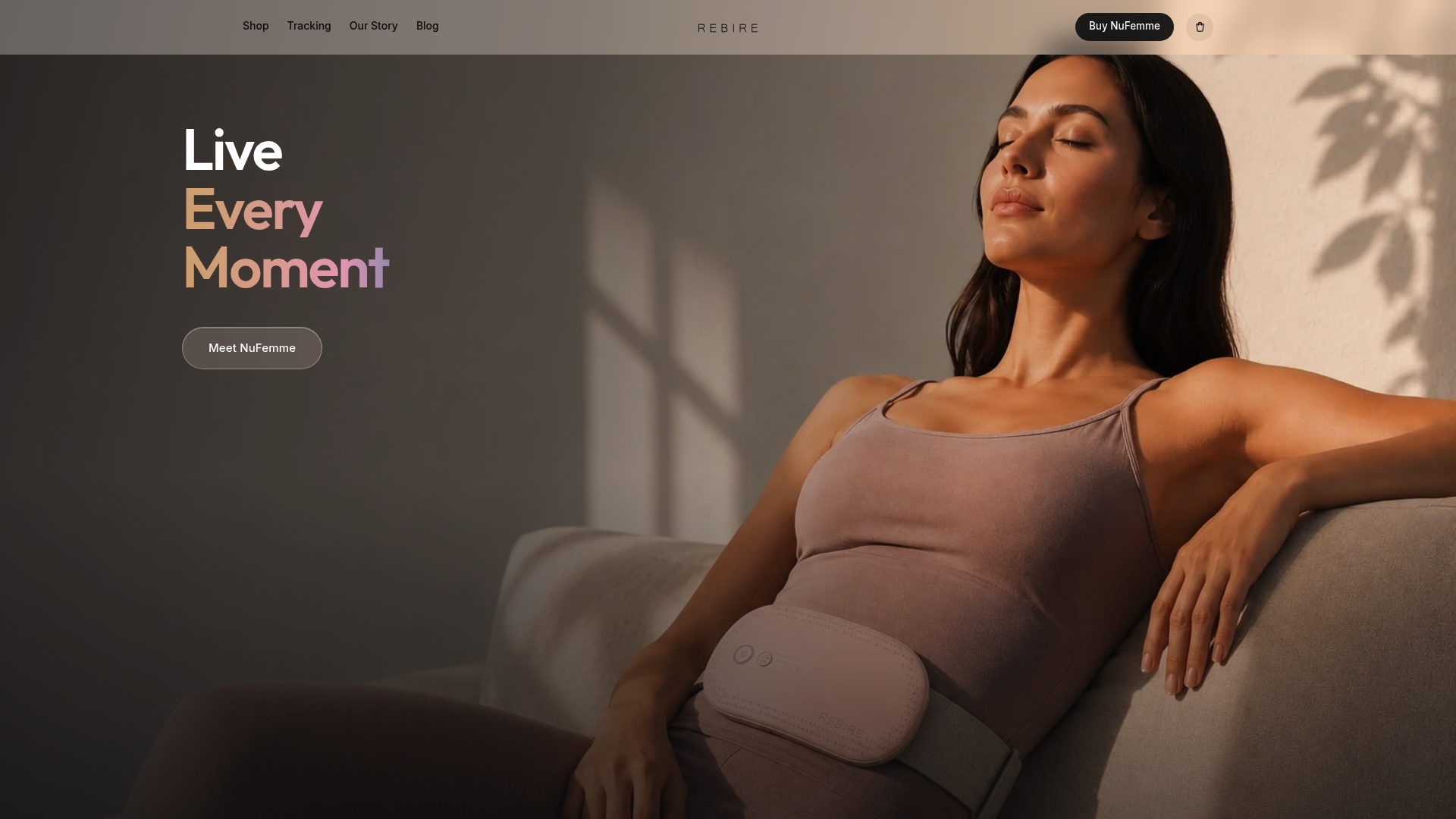
If you want a discreet, cordless option ready for your next drive, NuFemme combines heat, massage, and infrared therapy in one wearable belt, no cord, no waiting at home for a heating pad to warm up. It also works as a thoughtful gift for a partner who notices what you go through every month. You can find it directly on the NuFemme product page for $338 one-off, with warranty and return details listed there.
This article is general information, not a substitute for advice from a qualified doctor. Consult a qualified healthcare professional about your own circumstances before acting on anything here.
FAQ
How to reduce period pain while traveling?
Pack a cordless heat wearable or adhesive patches, stay hydrated, and take an NSAID early if it is part of your usual routine. Build in stops to stretch and move, since sitting for long stretches tends to make cramps worse.
Does a period cramp simulator really feel like cramps?
A cramp simulator is designed to mimic the intensity of menstrual cramps for demonstration purposes, but experiences vary widely from person to person. It is better understood as an awareness tool than a precise measure of your own pain.
How bad is period cramp pain?
Pain severity ranges widely, from mild discomfort to pain severe enough to interfere with daily activities like driving or working. ACOG notes that more than half of people who menstruate experience some pain each cycle, and NSAIDs are typically the first recommended step for managing it.
What are five important things to avoid during your period while driving?
Avoid untested medications, sedating substances, skipping water, ignoring severe pain, and ignoring drowsiness behind the wheel. Each of these can either worsen cramps or compromise your ability to drive safely.
Is it safe to take ibuprofen before driving?
Ibuprofen itself is not typically sedating, but NHTSA advises testing any medication at home first since reactions vary by person. If you already know how it affects you and have no history of side effects, taking it before a drive is generally considered safe.
Sources
- Management of dysmenorrhea — review (PMC)
- Dangers of Driving After Taking Prescription Drugs or Over-the-Counter Medicines | NHTSA
- Dysmenorrhea: Painful periods | ACOG