

Yes, you can reduce period cramps without medication, and for many people it works as well as reaching for a pill bottle. The key is layering fast-acting tools with steady lifestyle habits instead of relying on just one fix. Drug free period pain relief works best when you combine acute, in-the-moment tools with changes you keep up all month long.
For the acute stage, your best options are heat, TENS (transcutaneous electrical nerve stimulation), massage, or a wearable device that combines several of these. For the baseline layer, movement and diet do the quiet work of lowering inflammation over time.
The evidence backs this up. A 2025 review in Frontiers in Reproductive Health recommends exactly this kind of individualized, combined approach for primary dysmenorrhea, pairing lifestyle changes with TENS, exercise, and select herbs. A randomized clinical trial even found that 250 mg of ginger taken four times daily for three days reduced pain about as well as ibuprofen.
Here’s where to start:
- Heat — a pad, patch, or warm bath applied to the lower abdomen
- TENS — a small electrical stimulation device placed on the skin
- Massage or a wearable device — combines pressure and heat in one wearable unit
- Diet and exercise — your baseline layer, working in the background all cycle long
Pro Tip: Start your acute tools the moment you feel the first twinge, not after the pain has built. Heat and TENS both work better as prevention-in-progress than as damage control.
Key Takeaways
Drug-free period pain relief works best as a layered system combining fast-acting tools like heat and TENS with steady lifestyle habits like exercise and diet.
| Point | Details |
|---|---|
| Layer acute and baseline tools | Combine heat, TENS, or massage in the moment with regular exercise and diet between cycles. |
| Ginger has trial-backed dosing | 250 mg taken four times daily for three days showed pain relief comparable to ibuprofen. |
| Heat and TENS both carry real evidence | Clinical reviews report both can rival ibuprofen for short-term cramp relief. |
| Watch for red flags | Sudden severe pain, fever, or pain that stops normal activity calls for medical review. |
| NuFemme layers three therapies in one wearable | Heat, massage, and red-light therapy combine in a cordless belt, providing acute relief for period cramps. |
Table of Contents
- What Helps With Drug-Free Period Pain the Fastest?
- Does Exercise Really Reduce Menstrual Cramps?
- What Foods and Supplements Reduce Period Pain?
- Can Breathing and Relaxation Techniques Ease Cramps?
- When Should You Try Pelvic Floor Physical Therapy?
- Do Acupuncture and Acupressure Actually Work for Cramps?
- How Do You Build a Monthly Drug-Free Pain Plan?
- What Makes NuFemme a Reliable Drug-Free Option?
- Editorial Take: What Actually Moves the Needle on Cramps
- A Cordless Way to Get Fast Relief, Anywhere You Are
- Frequently Asked Questions
- Sources
What Helps With Drug-Free Period Pain the Fastest?
When cramps hit, you want relief now, not in an hour. Three tools consistently outperform waiting it out: heat, TENS, and massage or wearable devices that combine both. Understanding how each works helps you use them correctly instead of just slapping on a heating pad and hoping.
How heat therapy actually reduces cramping
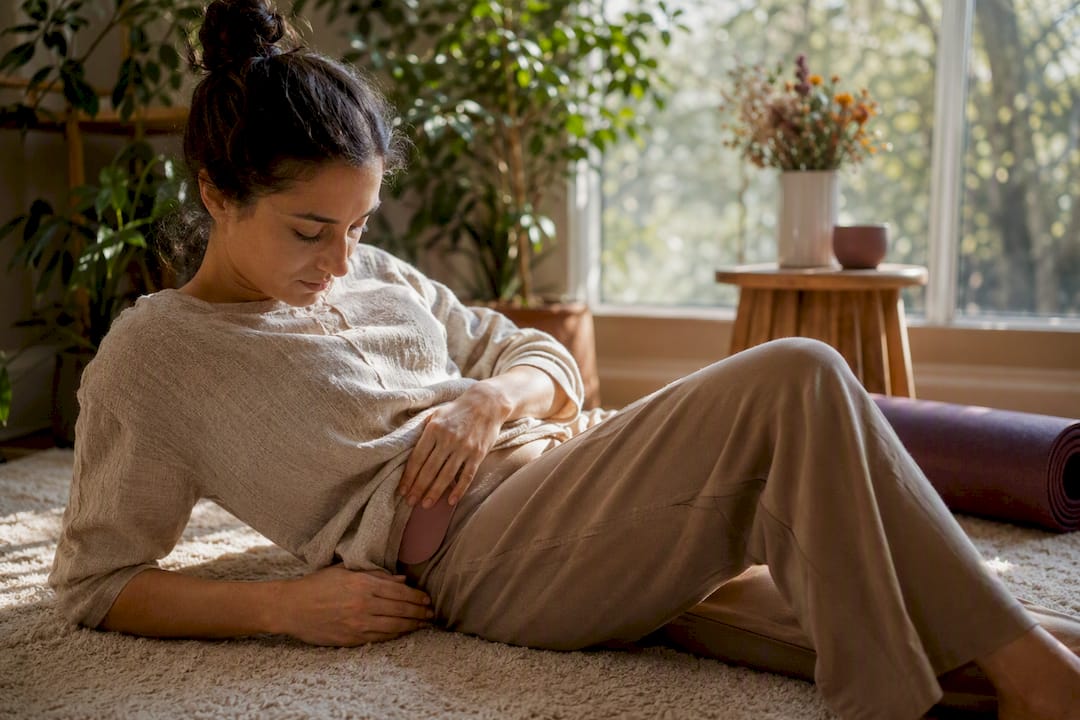
Heat increases blood flow to the uterine muscle, which relaxes the tight contractions that cause cramping pain. Clinical reviews have found that topical heat can offer relief comparable to ibuprofen for menstrual cramps in the short term. That’s a genuinely useful data point if you’re trying to avoid drugs altogether: you’re not settling for a weaker option, you’re choosing one with real, comparable evidence.
For best results, apply heat at around 104 to 113°F (40 to 45°C) directly to your lower abdomen or lower back for 15 to 20 minutes at a time. A reusable heat patch under your clothes lets you keep this going through a workday without anyone noticing. A warm bath works too, though it’s less practical when you’re at your desk.
How TENS interrupts pain signals
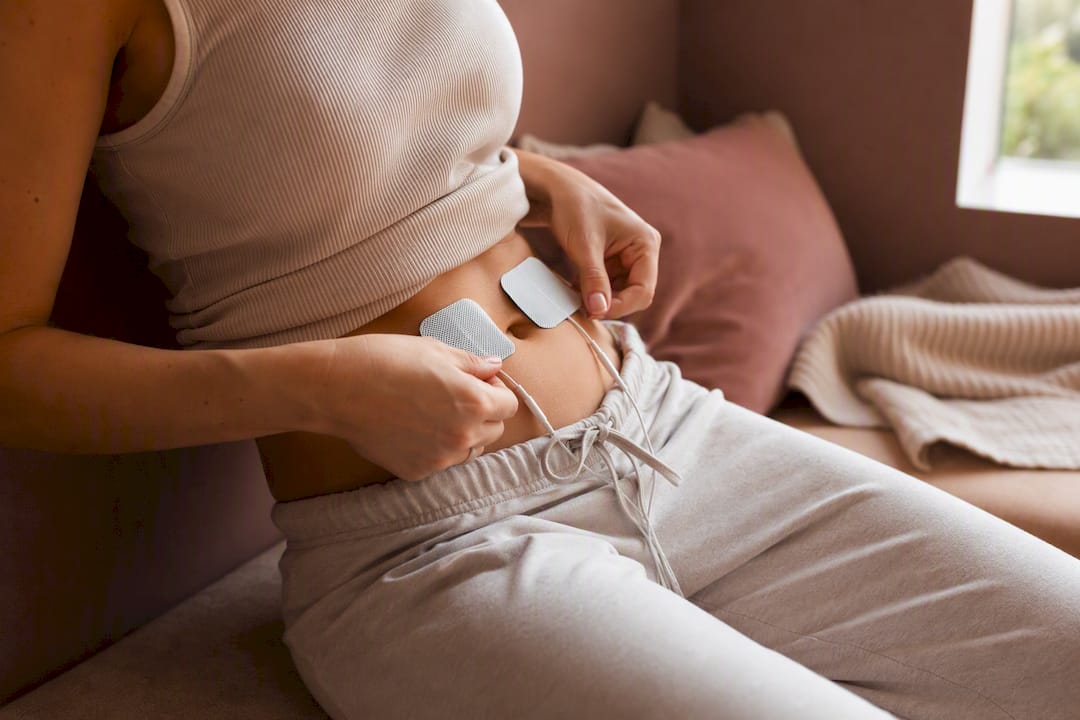
TENS units send mild electrical pulses through the skin to disrupt pain signals before they reach the brain, and they also seem to trigger the body’s own natural pain-blocking chemicals. Systematic reviews and clinical trials show that high-frequency TENS is a portable, noninvasive therapy that can provide dysmenorrhea relief sometimes comparable to NSAIDs, which makes it one of the stronger drug-free options on this list.
If you’re using a standalone TENS unit, place the electrode pads on either side of your lower abdomen, just above the pubic bone, or on your lower back if that’s where you feel it most. Start on a low intensity setting and increase gradually until you feel a strong but comfortable tingling, not muscle-clenching. Avoid TENS if you’re pregnant, have a pacemaker, or have epilepsy, and don’t place pads over broken skin or varicose veins.
Combining tools for better results
Here’s the part most people miss: heat and electrical stimulation or massage together often provide more relief than either one alone. Your uterine muscle responds to layered input. Heat relaxes surface tension while TENS or massage works on the deeper contraction and the nerve signal itself.
- Apply heat to the lower abdomen as soon as cramping starts.
- Add gentle massage or vibration to the same area, working in slow circular motions.
- Layer in light movement, like a slow walk or a few pelvic tilts, once the sharpest pain eases.
- Repeat heat application every few hours as needed throughout the day.
This is exactly the gap a wearable device like NuFemme is built to close. Instead of juggling a heating pad, a separate massage tool, and staying tethered to an outlet, NuFemme combines heat, vibration massage, and red-light (infrared) therapy into one cordless belt you wear under your clothes. You get three heat levels and three massage speeds, so you can dial in exactly the intensity that works for that particular cramp, on that particular day, whether you’re at your desk or just need five quiet minutes to reset.
When you’re shopping for any acute tool on your own, whether it’s a standalone TENS unit or an adhesive heat patch, look for a few practical things:
- Battery life that covers a full workday without a midday charge
- Adhesive quality that stays put through movement without irritating skin
- Size and discretion so it works under regular clothing
- Adjustable settings so intensity isn’t one-size-fits-all
Does Exercise Really Reduce Menstrual Cramps?
Moving when you’re cramping sounds like the last thing you’d want to do, but the evidence is consistent: systematic reviews identify yoga and regular aerobic exercise as interventions that significantly reduce the intensity and duration of menstrual pain. Exercise increases blood flow to the pelvis and triggers the release of endorphins, your body’s own natural pain relievers, and the effect tends to build the more consistently you do it.
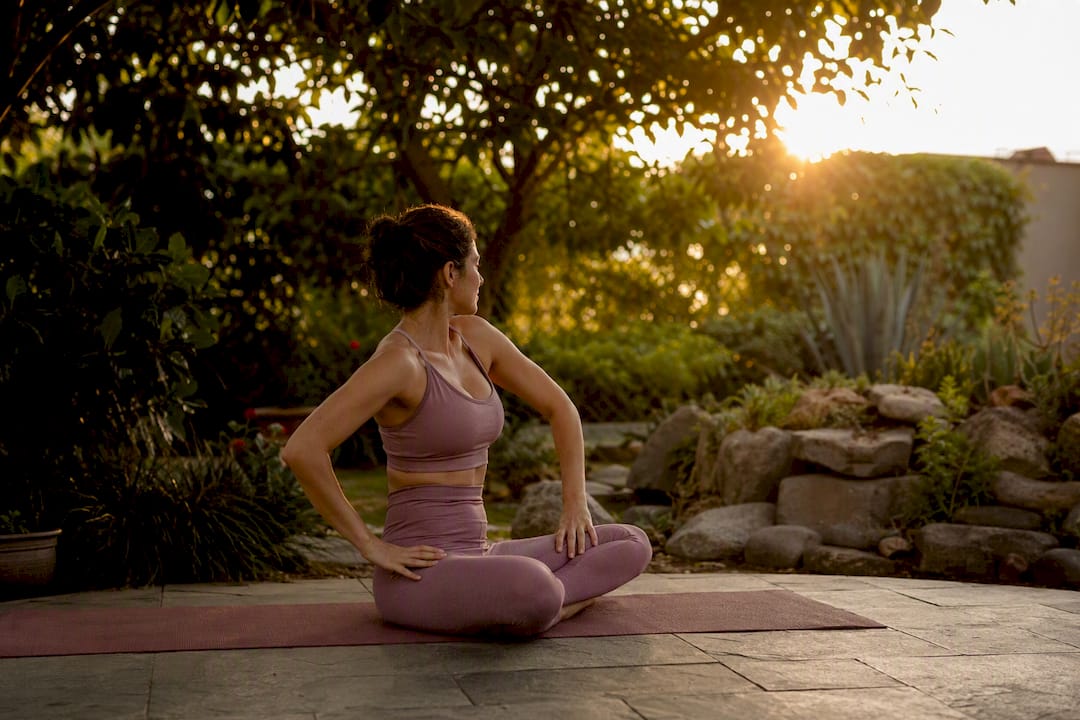
Aim for a moderate amount of activity several times a week, throughout your cycle, not just during your period. On heavy cramp days, scale down to gentler movement rather than skipping activity entirely. A brief, low-intensity session almost always beats total rest for symptom relief.
A few gentle moves worth building into your routine:
- Cat-Cow stretch — mobilizes the spine and eases lower back tension
- Child’s pose — gently stretches the hips and lower back
- Pelvic tilts — releases tension in the pelvic floor and lower abdomen
- Walking — 20 to 30 minutes at a comfortable pace keeps blood flow steady
- Swimming — low-impact and easy on a tender lower back
- Gentle twists — seated or lying, to release lower back stiffness
- Legs-up-the-wall pose — encourages pelvic blood flow while you rest
- Slow bodyweight squats — activates the same muscles as walking, with less time commitment
Pro Tip: If a full workout feels impossible, ten minutes of Cat-Cow and pelvic tilts still counts. Movement doesn’t need to be intense to help; it needs to be consistent.
Movement complements your acute tools rather than replacing them. Use heat or your wearable device to take the edge off the sharpest cramping, then add gentle movement once you can tolerate it. On the days pain is severe enough that even walking feels unmanageable, that’s your cue to lean harder on rest and acute tools, and to note the pattern for a future conversation with a clinician if it keeps happening.
What Foods and Supplements Reduce Period Pain?
Certain foods and supplements have real trial evidence behind them for reducing menstrual pain, though most take a few cycles of consistent use before you notice the difference. Ginger is the exception. It works acutely, right when you need it.
Ginger has some of the strongest evidence of any natural remedy for cramps. A double-blind clinical trial tested 250 mg of ginger powder taken four times daily for three days starting at the onset of the period, and found pain reduction comparable to ibuprofen. That’s a specific, repeatable dose you can try starting your next cycle, not a vague “ginger tea helps” suggestion.
Other options work more gradually:
- Omega-3 fatty acids (found in fatty fish, walnuts, flaxseed) help lower the prostaglandins that drive uterine contractions.
- Magnesium, often studied in the 400 to 600 mg range, may ease muscle tension and cramping intensity.
- Vitamin B1 (thiamine) has shown pain-reducing effects in some trials on primary dysmenorrhea.
- Vitamin E may reduce both pain intensity and duration when taken consistently.
Most supplements need 2 to 3 full cycles before you can fairly judge whether they’re helping. Don’t expect a first-month miracle, and don’t give up after one try.
On the plate, favor anti-inflammatory staples: leafy greens, berries, fatty fish like salmon, nuts, and olive oil. Limit heavily processed foods, excess sugar, and alcohol in the days leading up to your period, since all three can worsen inflammation and bloating.
Before adding any new supplement, check for interactions with medications you’re already taking and choose a reputable, third-party-tested brand. If you’re on blood thinners, hormonal medication, or have a chronic condition, talk to a clinician before starting ginger or magnesium at trial-level doses.
Can Breathing and Relaxation Techniques Ease Cramps?
Pain and tension feed each other. A clenched jaw and shallow breathing during a cramp make the pelvic muscles tighten further, which worsens the cramping itself. Slowing your breath down interrupts that loop and can measurably lower how intense the pain feels, even without touching the physical cause.
Try this simple sequence when a cramp hits:
- Breathe in slowly through your nose for a count of four.
- Hold gently for a count of two.
- Exhale through your mouth for a count of six, longer than the inhale.
- Repeat for two to three minutes, letting your shoulders and jaw soften with each exhale.
For a slightly longer reset, a 2 to 5 minute guided relaxation works well paired with heat: lie down, apply your heat source to your lower abdomen, and consciously relax each muscle group from your feet upward. Aromatherapy can add to the effect. Small trials and reviews suggest lavender and rose oil, whether inhaled or gently massaged into the lower abdomen, offer modest but real pain relief with very low risk. A few drops diluted in a carrier oil, massaged in slow circles, takes under a minute.
None of this happens in isolation from the rest of your month. Poor sleep and chronic stress both raise prostaglandin activity, the same hormone-like compounds responsible for uterine cramping, which means the sleep hygiene and stress management you practice between periods can lower how intense the next one feels.
When Should You Try Pelvic Floor Physical Therapy?
Pelvic floor physical therapy is worth considering when cramps feel like they’re coming from muscle tightness rather than just the uterus itself, or when other drug-free tools aren’t giving you enough relief. A pelvic floor physical therapist works to release chronically tight pelvic muscles, retrain how those muscles coordinate during movement, and improve circulation to the area, all of which can reduce baseline cramping over time.
An initial visit typically involves a discussion of your symptom history, an external and sometimes internal assessment of muscle tension, and a set of self-release techniques you can practice between sessions. Most people need several sessions spread over a few months before they notice a meaningful shift, so this is a longer-term layer, not an acute fix.
Certain symptoms mean it’s time to talk to a healthcare provider rather than keep self-managing:
- Sudden, severe pain that’s different from your usual pattern
- Cramping severe enough to stop you from working, walking, or sleeping
- Fever alongside pelvic pain
- Abnormal or unusually heavy bleeding
- Pain that’s getting progressively worse cycle after cycle
Cramping that never lets up despite good self-care, or that shows any of the signs above, may point to secondary dysmenorrhea, a form of period pain caused by an underlying condition like endometriosis or fibroids, rather than primary dysmenorrhea, which stems from normal prostaglandin activity alone. A provider can help sort out which one you’re dealing with, since the two call for different long-term plans.
Do Acupuncture and Acupressure Actually Work for Cramps?
Acupuncture and acupressure carry a moderate but real evidence base for menstrual pain, strong enough to use as a supporting layer, not strong enough to rely on alone if your pain is severe. A typical trial course runs 3 to 5 sessions with a licensed acupuncturist, often starting a few days before your period is expected.
Acupressure gives you a version you can do yourself, no needles required. One of the most commonly studied points is Sanyinjiao (SP6), located about four finger-widths above the inner ankle bone, along the back edge of the shinbone. Press firmly with your thumb in small circles for one to two minutes on each leg. Reviews of acupressure for dysmenorrhea report modest pain reduction compared to no treatment, with very low risk of harm.
Pro Tip: Pair acupressure with your heat routine rather than using it alone; the combination tends to outperform either one by itself, mirroring what works with heat and TENS.
- Best used as an adjunct alongside heat, movement, or diet changes
- Not a substitute for medical evaluation if pain is severe or worsening
- Reflexology has thinner evidence but carries minimal risk if you want to try it
- Avoid deep pressure on acupressure points if you’re pregnant
How Do You Build a Monthly Drug-Free Pain Plan?
The tools above work best woven into a rhythm you repeat every cycle, rather than scrambled together after the pain has already started. Think of it in three phases.
Before your period (the week leading up):
- Start or continue your supplement routine, particularly ginger if you plan to use it acutely once bleeding begins.
- Favor anti-inflammatory meals and cut back on processed food and alcohol.
- Keep your regular movement schedule going, even at a lighter intensity if you’re feeling premenstrual fatigue.
During your period (active cramping days):
- Reach for your acute tools right away: heat, a wearable device like NuFemme, or a TENS unit, depending on what you have on hand.
- Add gentle movement, like walking or pelvic tilts, once the sharpest pain has eased.
- Build in a short breathing or relaxation practice, especially at night, to support sleep.
Between periods (maintenance weeks):
- Keep up regular aerobic exercise 3 to 5 times a week.
- Practice pelvic floor release techniques if a physical therapist has given you a routine.
- Stay consistent with your anti-inflammatory eating pattern rather than treating it as a period-only fix.
This is the layered approach the Frontiers review on complementary therapies points to directly: no single tool does all the work, but the right combination, repeated cycle after cycle, adds up.
What Makes NuFemme a Reliable Drug-Free Option?
NuFemme is a cordless wearable belt that combines heat therapy, vibration massage, and red-light (infrared) therapy in one device, designed to be worn discreetly under clothing. It offers three heat levels and three massage speeds, so the intensity can be adjusted to match how a cramp actually feels that day, not a fixed one-setting approach.
This design lines up with the same clinical mechanisms already discussed here: heat that clinical reviews associate with pain relief comparable to ibuprofen, and stimulation-based relief in the same family as the TENS evidence cited by systematic reviews on dysmenorrhea. The brand reports that many users noted reduced pain shortly after use, a fast response time that fits the pattern seen in heat and stimulation-based studies more broadly.
Combining heat, massage, and red-light therapy in a single cordless device means you’re not choosing between a heating pad you can’t wear out the door and a massage tool that needs its own separate session. You get the layered relief the clinical literature recommends, in one wearable unit.
A few notes for safe, effective use:
- Start on the lowest heat and massage setting and increase gradually.
- Wear it directly against skin or over light clothing for the most even heat transfer.
- Avoid use over broken skin, and check with a provider first if you’re pregnant or have a pacemaker.
- Recharge fully between uses to avoid mid-day power loss.
You can see the full product details for NuFemme directly on the product page.
Editorial Take: What Actually Moves the Needle on Cramps
The conventional advice on period pain treats “drug-free” as a consolation prize, something you settle for when you can’t or won’t take an NSAID. That framing undersells what the evidence actually shows. Heat performs comparably to ibuprofen in clinical reviews. TENS shows relief in the same range as NSAIDs in multiple trials. Ginger, at a specific studied dose, matched ibuprofen head-to-head. This isn’t a weaker path, it’s a different one with its own real data behind it.
Where most self-help advice falls short is treating these tools as isolated options instead of a system. Heat alone helps. Heat plus movement plus a consistent diet plus an acute tool like a wearable device helps considerably more, because each layer addresses a different part of what’s driving the pain, from prostaglandin levels to muscle tension to nerve signaling.
If you’re starting from zero, prioritize the acute layer first, since it’s the fastest to give you evidence of what works for your body specifically. Layer in movement and diet once you have a rhythm going. The plan doesn’t need to be complicated. It needs to be repeated.
A Cordless Way to Get Fast Relief, Anywhere You Are
Rebire gives you the layered relief this article recommends in one wearable, without juggling a heating pad, a separate massage tool, and a wall outlet. NuFemme combines heat, vibration massage, and red-light therapy in a cordless belt worn discreetly under clothing, so you get the same evidence-backed mechanisms, heat and stimulation, in a form you can use at your desk, on a walk, or curled up at home.
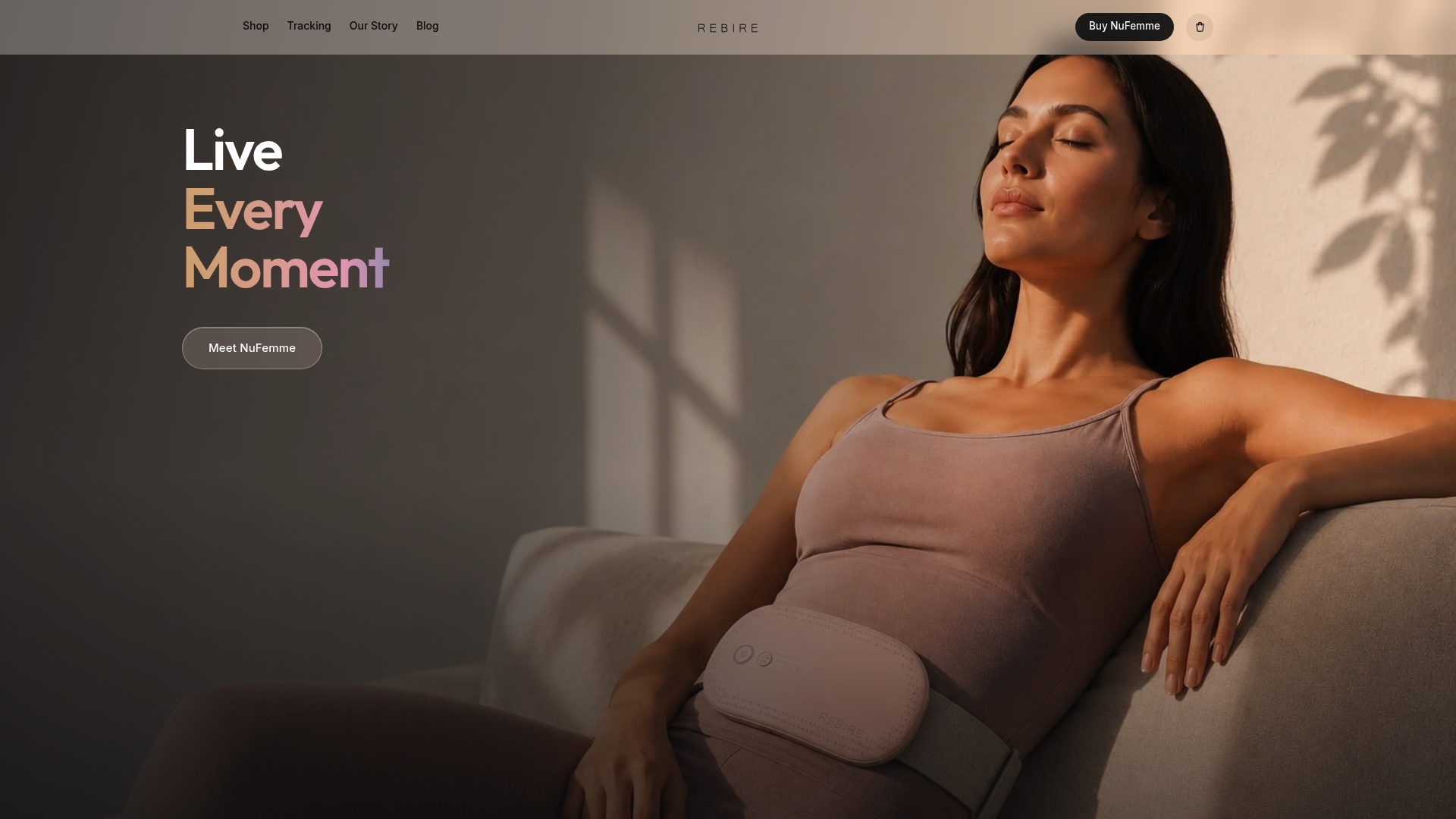
It’s built for three kinds of readers: the person managing her own cramps who wants relief that travels with her, the partner who wants to give something more thoughtful than a last-minute drugstore run, and anyone who sees monthly self-care as worth investing in properly. Finished in Rose Gold or Ivory, it works as both a practical tool and a genuinely considered gift.
Three heat levels and three massage speeds mean it adapts to how your body feels on any given day rather than forcing a single setting on every cycle. If you’re ready to add a fast-acting, drug-free tool to your own layered plan, check out the full NuFemme product page and see which finish fits.
Frequently Asked Questions
Can you actually get rid of period cramps without medication? Many people significantly reduce menstrual cramps without medication using a layered approach: heat or TENS for acute relief, plus regular exercise and an anti-inflammatory diet as a baseline. Clinical reviews support heat and exercise, and a randomized trial found ginger dosed at 250 mg four times daily matched ibuprofen for pain relief.
What is the fastest natural way to relieve period pain? Heat applied directly to the lower abdomen tends to work fastest, often within 15 to 20 minutes. TENS and wearable devices that combine heat with massage or red-light therapy, like NuFemme, can offer a similarly quick response.
How long does it take for natural remedies to work for period pain? Acute tools like heat, TENS, and ginger can offer relief within 15 minutes to a few hours. Supplements like magnesium, omega-3s, and vitamins B1 and E typically need 2 to 3 full cycles of consistent use before their benefits become noticeable.
Is TENS safe to use for period cramps? TENS is generally considered safe for most people managing dysmenorrhea, with trials showing pain relief sometimes comparable to NSAIDs. Avoid it if you’re pregnant, have a pacemaker, or have epilepsy, and never place the pads over broken skin.
When should you see a doctor about period pain instead of managing it at home? See a healthcare provider if pain suddenly changes in intensity, stops you from normal daily activity, comes with fever or abnormal bleeding, or keeps worsening cycle after cycle. These can signal secondary dysmenorrhea, which needs its own evaluation and plan.
Sources
- Z. Ozgoli et al. — Effect of ginger on primary dysmenorrhea: a double-blind clinical trial
- Complementary and alternative therapies in the treatment of primary dysmenorrhea — Frontiers in Reproductive Health
- Transcutaneous electrical nerve stimulation for dysmenorrhea (systematic review/meta-analysis)