

A cordless wearable that combines targeted heat, vibration massage, and red-light therapy is your best heating pad alternative when you need relief that moves with you. Systematic reviews show localized heat reduces menstrual pain about as effectively as NSAIDs in many trials, with fewer side effects. NuFemme from Rebire builds on that evidence with a discreet belt you can wear under clothes at your desk, on a commute, or wrapped as a gift.
- Cordless, multiple heat levels and massage speeds to adjust therapy intensity
- Adds red-light therapy on top of heat, which a plug-in pad can’t offer
- Users reported reduced pain within 15 minutes in company-reported usage data
Key Takeaways
A cordless wearable combining heat, massage, and red-light therapy delivers evidence-backed cramp relief without tying you to an outlet.
| Point | Details |
|---|---|
| Heat therapy is well-supported | Large trial pools show heat matches NSAID-level pain relief with fewer side effects. |
| Red light is a promising add-on | Sham-controlled trials show pulsed 630 nm light meaningfully reduces pain, though data is still emerging. |
| Placement and timing matter | Aim for 20 to 30 minute heat sessions and 15 to 20 minute red-light sessions, positioned over the lower abdomen. |
| Buy for fit and safety features | Prioritize adjustable straps, auto-shutoff, washable covers, and clear return policies. |
| NuFemme fits both use cases | Cordless heat, massage, and red-light PBM in one belt, offered in gift-ready Rose Gold and Ivory finishes. |
Table of Contents
- What Makes a Wearable a Real Heating Pad Alternative?
- Does Heat Therapy Actually Reduce Period Pain?
- How Should You Use a Wearable Heating Pad Alternative?
- What Should You Look For When Buying One?
- How Do You Buy This as a Gift Without Guessing Wrong?
- Why NuFemme Is Built for Real Days, Not Just Rest Days
- Frequently Asked Questions
- Sources
What Makes a Wearable a Real Heating Pad Alternative?
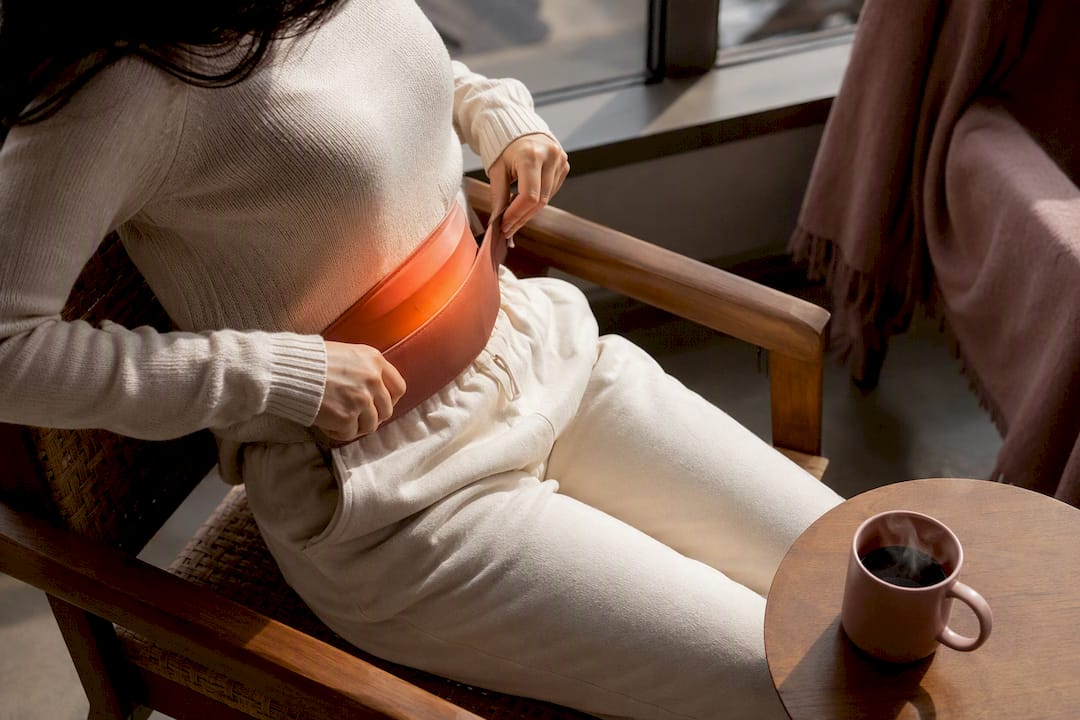
A traditional heating pad plugs into the wall, sits on one spot on your couch, and tethers you to that spot for as long as you want relief. A wearable heating pad alternative flips that arrangement. It’s a slim, rechargeable belt or pad, usually secured with an adjustable strap, that delivers controllable heat directly against your lower abdomen while you’re upright, dressed, and moving. Many modern versions, including NuFemme, layer in vibration massage and red-light photobiomodulation (PBM) on top of the heat, so you’re getting three mechanisms of relief instead of one.
The differences that actually matter day to day:
- Mobility — you can wear it through a meeting, a grocery run, or a full commute
- Discreetness — it sits under a sweater or blouse instead of announcing itself
- Adjustability — separate heat and massage settings instead of one fixed dial
- Multimodal relief — some devices add non-thermal red light that a cord-and-plate pad simply doesn’t have
This format tends to help commuters, students sitting through back-to-back classes, remote workers who still have calls to take, and active parents who don’t get a couch-bound afternoon during a flare. It’s also become a popular gift category, since a partner who buys one is acknowledging a monthly reality instead of grabbing a last-minute drugstore item.
Pro Tip: If cramps regularly hit during work hours, test the wearable’s lowest heat setting first at your desk. You want steady warmth you can forget about, not something you have to keep adjusting between tasks.
Does Heat Therapy Actually Reduce Period Pain?
Yes, and the evidence base is larger than most people realize. A systematic review and meta-analysis covering 57 randomized controlled trials and 5,359 participants found that heat therapy likely reduces menstrual pain both immediately and with repeated use, delivering analgesia comparable to NSAIDs in several comparisons, with a notably lower risk of side effects (pooled relative risk of 0.30 against NSAID adverse events).
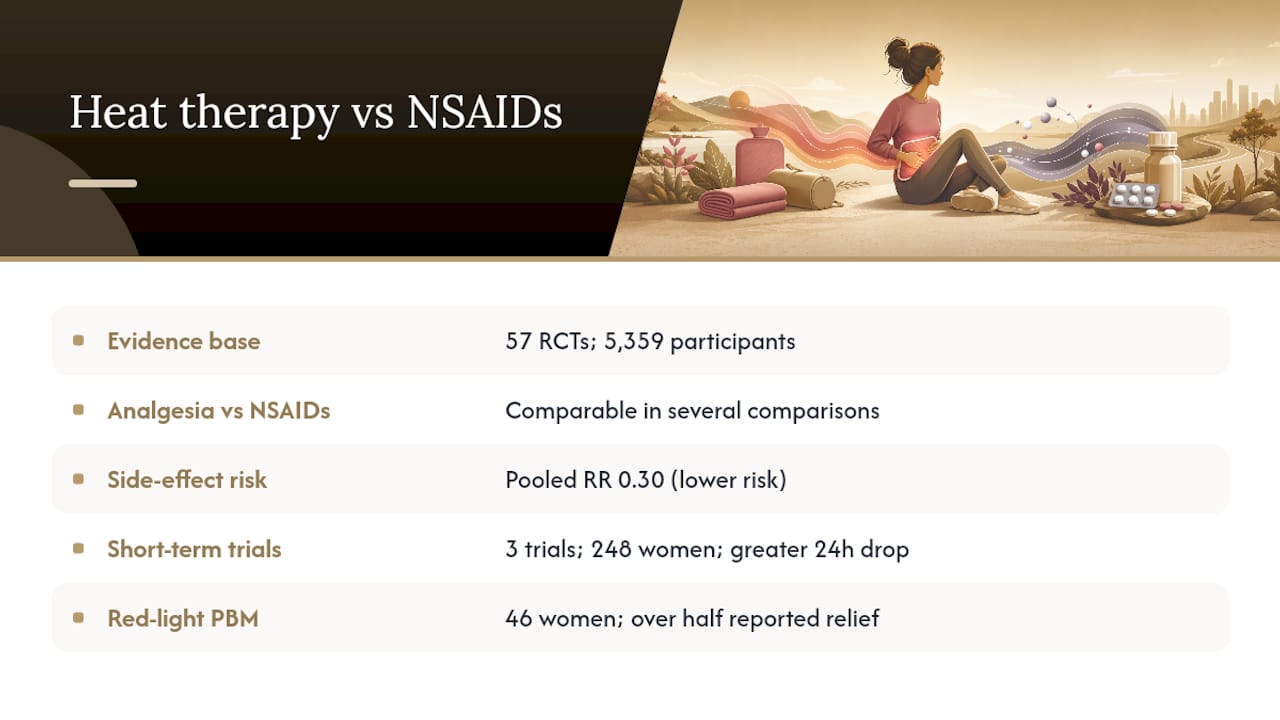
Shorter-term data backs this up. A separate review pooling three trials with 248 women found heat produced a meaningfully greater drop in pain intensity within 24 hours compared to controls, a notable effect on a standard pain scale. That’s not a marginal effect. Earlier work, including a 2018 systematic review in Scientific Reports, reached similar conclusions with smaller trial pools, so this isn’t a single study getting lucky. It’s a signal that has held up as more research accumulated.
Red-light therapy is newer territory but shows real promise. In a randomized, sham-controlled cross-over trial of 46 women, daily 20-minute sessions of pulsed 630 nm red light before and during menstruation significantly reduced pain compared to a white-light sham, with over half of participants in the active group reporting substantial pain reduction. Preclinical work in animal models offers a plausible reason why: pulsed red light appears to calm prostaglandin dysregulation and uterine hypercontractility, the same processes that drive cramp intensity in the first place.
The strongest current takeaway isn’t that PBM replaces heat. It’s that heat therapy is well-established and PBM is an emerging, evidence-backed complement, not a substitute for either good research or good judgment about your own symptoms.
The caveat worth holding onto: PBM trial pools are still small compared to the heat literature, and dosing protocols vary between studies. Treat red-light therapy as a promising add-on layered onto an already-proven foundation.
How Should You Use a Wearable Heating Pad Alternative?
Placement matters more than most people expect. Position the device across your lower abdomen, centered roughly over the area below your belly button, where uterine contractions concentrate. Some people find equal or better relief moving it to the lower back, especially if cramping radiates that direction.
For timing, follow what the trials actually tested rather than guessing:
- Heat sessions: 20 to 30 minutes at a time, repeating as needed with short breaks in between
- Red-light sessions: 15 to 20 minutes, matching the protocols used in the MDPI cross-over trial
- Combined use: you can run heat and massage together, then reserve dedicated PBM time separately if your device supports both modes
Safety comes down to basic vigilance. Look for a device with auto-shutoff and confirm the surface temperature stays in the therapeutic range, generally around 40 to 45°C for superficial heat. Devices designed to pair red light with heat, like the FEM belt described in a recent case series, are built to stay under 42°C specifically so the light therapy stays in non-thermal territory. Check your skin periodically for redness or irritation, and stop using any heat or light device if pain worsens, spikes suddenly, or comes with fever, since that combination warrants a call to a clinician rather than another session with the belt.
Pro Tip: Charge your wearable the night before your period is due. The one time you don’t want to discover a dead battery is the morning cramps actually show up.
What Should You Look For When Buying One?
Not every wearable on the market delivers the same real-world performance, so it helps to know which specs actually predict comfort and effectiveness rather than just sounding good on a packaging insert.
Prioritize these features:
- Heat range in the therapeutic band, not a single blast setting that either underwhelms or overheats
- Battery life long enough to cover a full workday or school day without a midday recharge
- A genuinely discreet, low-profile fit that doesn’t print through clothing
- Independently adjustable heat, massage, and light settings, since cramp intensity changes day to day
- A washable or removable cover, since you’ll be wearing this against skin regularly
- Auto-shutoff and clear safety documentation from the manufacturer
Beyond the feature list, check the practical extras: warranty length, how responsive customer support is, the return window, and whether the company points to actual clinical or usage data rather than vague marketing language.
Here’s how NuFemme lines up against that checklist:
- Three heat levels let you match intensity to how bad the day actually is
- Three massage speeds add a mechanical relief layer heat alone doesn’t provide
- A cordless, rechargeable battery means no outlet-hunting during a workday
- Rose Gold and Ivory finishes give it a look you’d actually want visible, not something to hide
How Do You Buy This as a Gift Without Guessing Wrong?
Buying a wearable relief device as a gift comes with a few decisions a heating pad purchase never required. Get these right and it reads as thoughtful instead of awkward.
Sizing: Look for an adjustable strap rather than a fixed band, since that removes the need to know an exact measurement. If you’re unsure, a gift note that mentions easy returns takes the pressure off guessing.
- Choose an adjustable-fit model over a fixed one whenever it’s an option
- Skip asking for precise body measurements; let the adjustable strap do that work
- Add a small comfort item, like soft loungewear, to round out the gesture
Presentation: A proper gift box, paired with a short handwritten note about taking care of herself, elevates this well past a drugstore impulse buy. The Rose Gold and Ivory finishes both photograph and unbox well, which matters more for a gift than it does for a personal purchase.
Returns: Confirm the return window and warranty terms before you buy, so if fit or comfort isn’t right, she can exchange it without friction.
Pro Tip: Pair the device with a short note referencing something specific you’ve noticed about her cycle or her habits. The gesture of noticing matters more than the packaging.
A Publisher’s Take on Wearable Relief
Prioritizing something discreet and portable isn’t a small preference. It’s the difference between managing pain and pausing your whole day for it. That said, stationary heating pads still win on raw, sustained heat output at home overnight. The smarter approach isn’t choosing one over the other. It’s wearing something like NuFemme through active hours and reserving a plug-in pad for when you’re already settled in for the evening.
Why NuFemme Is Built for Real Days, Not Just Rest Days
NuFemme pairs cordless heat with vibration massage and red-light PBM in one belt, so you get three relief mechanisms without sitting still for any of them. Three heat levels and three massage speeds mean the intensity can match a rough morning or an easier afternoon. The rechargeable battery is built to get you through active hours, and the cover is designed to hold up to regular washing.
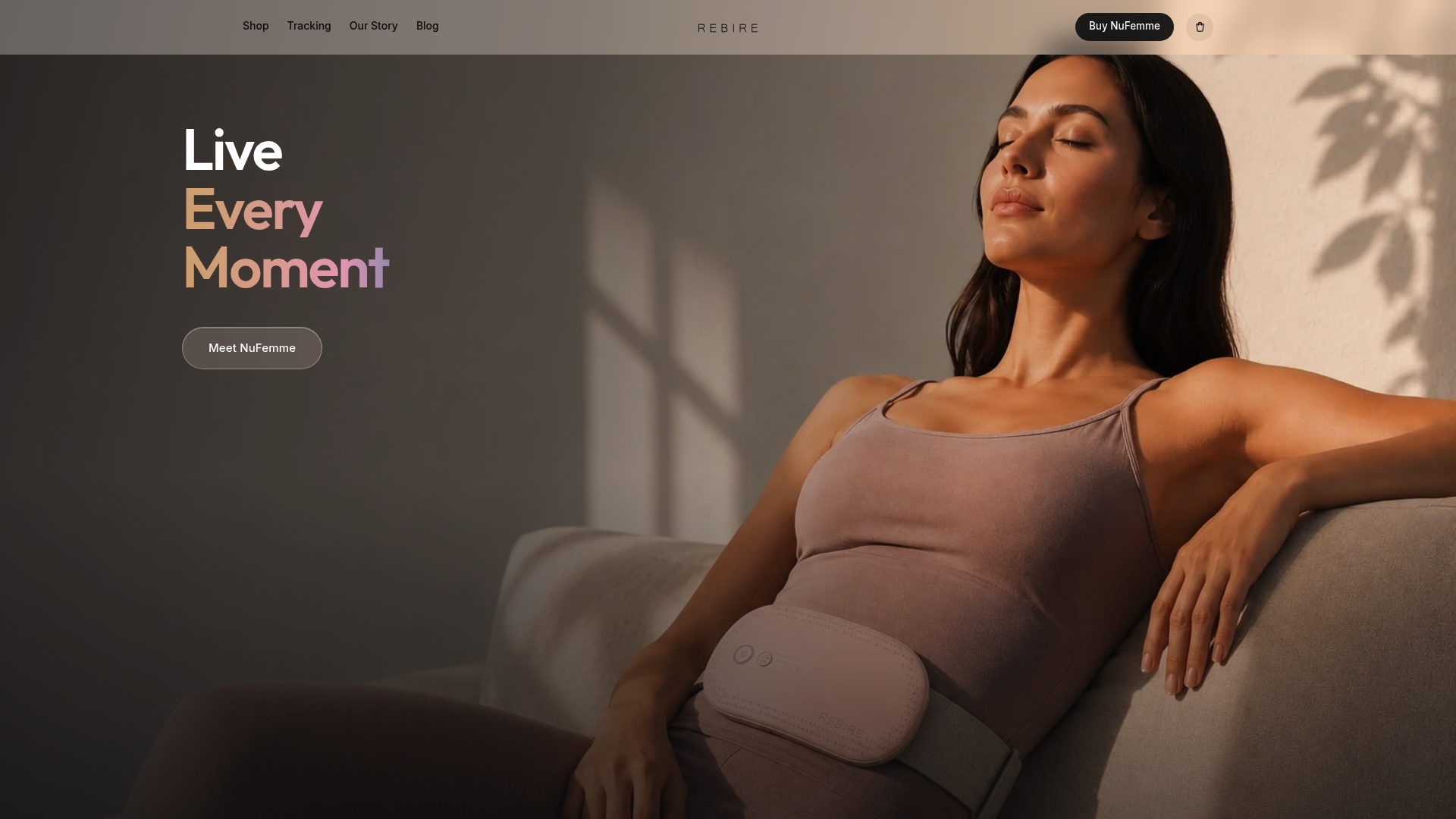
It comes in Rose Gold and Ivory, finishes chosen specifically so this reads as a genuine gift rather than a clinical device someone has to hide in a drawer. That combination has driven reports that 93% of users noticed reduced pain within 15 minutes of putting it on. If you’ve been reaching for a stationary pad out of habit rather than preference, or you’re shopping for someone who deserves more than a last-minute pharmacy grab, the NuFemme product page has the full spec sheet, finish options, and warranty details you need to check availability and order one today.
Frequently Asked Questions
Is a wearable heating pad alternative as effective as a traditional heating pad? For many people, yes. The heat mechanism works the same way, and a systematic review found heat effects comparable to NSAIDs in several trials. A wearable adds portability that a stationary pad can’t match, though a plug-in pad may deliver higher sustained heat for overnight use.
How quickly should I expect relief from a wearable device? Company-reported usage data on NuFemme shows 93% of users noticed reduced pain within 15 minutes. Clinical heat trials generally measure meaningful pain reduction within the first 24 hours of consistent use.
Is red-light therapy safe to combine with heat for period cramps? Devices designed for this combination, like those described in a recent case series, are engineered to stay below 42°C so the light stays non-thermal. Follow the manufacturer’s session guidelines and stop use if you notice skin irritation.
What should I check before buying one as a gift? Look for an adjustable strap so sizing isn’t an issue, confirm the return window in case fit or comfort needs adjusting, and choose a finish that feels personal rather than clinical, such as Rose Gold or Ivory.
Are there non-wearable alternatives worth comparing? Standard electric heating pads remain a reasonable option for at-home rest, but they lack the portability, massage function, and red-light therapy that wearable devices combine into one product.
Sources
- Heat therapy for primary dysmenorrhea: a systematic review and meta-analysis (Frontiers in Medicine)
- Systematic review (2026) on heat therapy for dysmenorrhea (provided source link)
- Bypassing the heat risk and efficacy limitations of pulsed 630 nm LED photobiomodulation therapy for anti-primary dysmenorrhea (MDPI)
- Pulsed red light photobiomodulation ameliorates oxytocin‑induced primary dysmenorrhea in mice (ScienceDirect)
- Photobiomodulation for primary dysmenorrhea: FEM belt case series and pilot-trial proposal (DOI link)