

Heating pads and electric blankets are safe when you follow three rules: never fall asleep with one running, always keep a fabric barrier between the pad and your skin, and cap sessions at 15 to 20 minutes. Skip any of those, and you’re risking burns, fires, or a lasting skin condition dermatologists call “toasted skin syndrome.” The rest comes down to knowing your device, your body, and when to stop.
TL;DR:
- Using a heating pad or electric blanket safely requires keeping sessions under 20 minutes, avoiding direct skin contact, and never falling asleep with it on.
- Regularly inspecting cords and fabric, and never folding or pinching wiring, significantly reduces fire and burn risks, especially for older or damaged devices.
- Temperatures above 130°F can cause burns in seconds, making skin checks and low settings essential, particularly for vulnerable groups like diabetics or pregnant women.
- Toasted skin syndrome can develop after months of low heat use without rotation or breaks, emphasizing the importance of variation and skin monitoring during heat therapy.
- Cordless, wearable devices with temperature safeguards provide a safer alternative for pain relief outside the home or during activity.
Table of Contents
- Daily Safety Checklist for Setup, Use, and Storage
- What Health Risks Come With Regular Heating Pad Use?
- How Do You Inspect a Heating Pad for Fire Risk?
- How Long Should You Use a Heating Pad Each Time?
- Which Type of Heating Pad Is Safest for You?
- What Should You Know About Recalls Before You Buy?
- What Toasted Skin Syndrome Taught Me About “Safe” Heat
- A Cordless Way to Get the Same Relief Without the Cord Risk
- Sources
- FAQ
Daily Safety Checklist for Setup, Use, and Storage
Most heating pad injuries come from small habits, not defective products. A worn cord left too long, a pad tucked under a blanket for “extra warmth,” a nap that turns into three hours of direct heat. Here’s the checklist that keeps you out of trouble:
- Put a thin towel or cloth between the pad and bare skin. Direct skin contact raises burn risk fast.
- Never place books, pillows, or your body weight on top of an operating pad. Trapped heat has nowhere to go.
- Don’t fold or bunch electric blankets while they’re plugged in. Folded wiring is a known fire trigger.
- Choose a model with automatic shut-off and an adjustable thermostat, and start on the lowest setting.
- Keep pads away from water and unplug them before wiping down any surface.
- Store pads flat, not rolled or crushed, and check that cords aren’t pinched in drawers or under furniture.
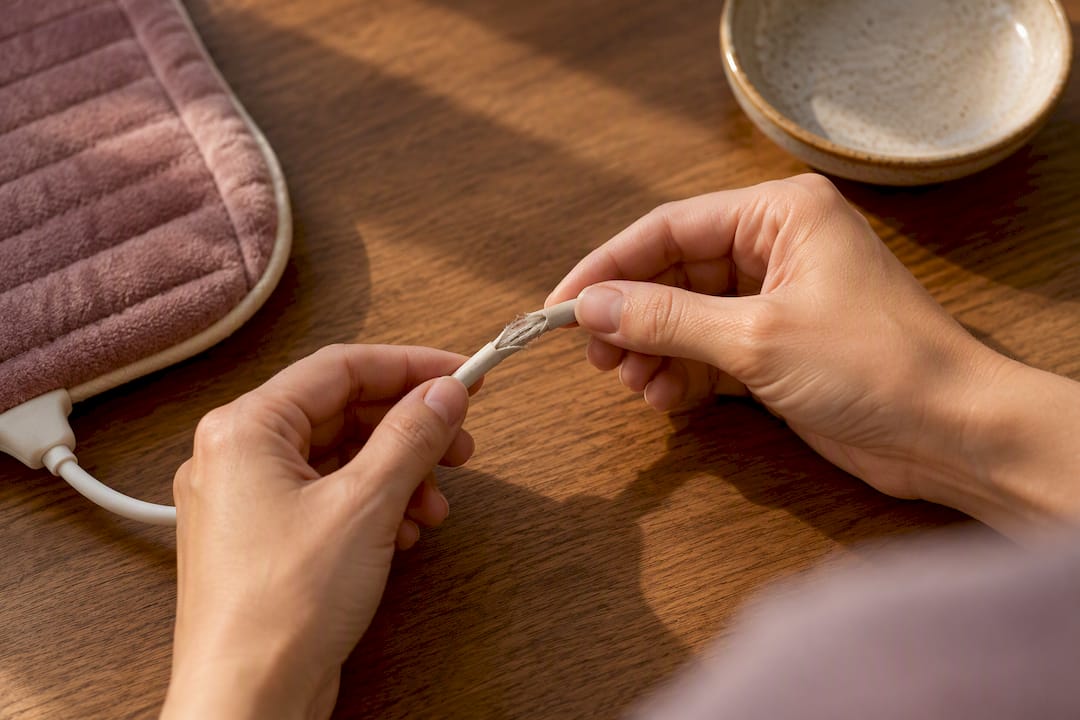
- Inspect the cord and fabric before every use for fraying, dark spots, cracked insulation, or an odd smell. Retire the pad if you notice any of these.
This kind of routine check matters more than most people realize. The Electrical Safety Foundation International lists exactly this combination, a barrier, no sleep use, and regular inspection, as the baseline for safe heating pad use.
Pro Tip: Snap a photo of your pad’s cord every few months. Comparing photos side by side makes it much easier to catch gradual fraying you’d otherwise miss.
What Health Risks Come With Regular Heating Pad Use?
Skin can burn from heat that feels merely warm. Temperatures above around 130 degrees Fahrenheit can cause burns within seconds, according to CPSC recall data, which is why checking your skin partway through a session matters as much as picking a low setting to begin with.
The number that matters: Temperatures above 130°F can burn skin in seconds, and that threshold sits well within the range many pads reach on a medium or high setting.
Repeated low-level exposure carries its own risk. Dermatologists describe this as erythema ab igne, or “toasted skin syndrome,” a mottled, fishnet-like pattern of hyperpigmentation that develops from chronic heat contact and can become permanent skin thinning and discoloration if the habit continues.
Heat isn’t always the right call, either:
- Skip heat on a fresh injury with swelling, bruising, or warmth to the touch. Cold typically works better for the first 24 to 48 hours.
- Avoid heat over open wounds, active infections, or numb skin, where you can’t reliably feel a burn forming.
- On EMF exposure: there’s no confirmed cancer link tied to household heating devices, but it’s still sensible to avoid unnecessary hours of direct, prolonged contact.
How Do You Inspect a Heating Pad for Fire Risk?
Fire and shock risk in heating pads almost always trace back to a device that should have been retired months earlier. Run through this before you plug anything in:
- Unplug the pad first. Never inspect a live cord.
- Run your fingers along the full length of the cord, feeling for cracks, stiffness, or exposed wire.
- Check the plug for scorch marks or bent prongs.
- Examine the fabric surface for melted patches, charring, or a burnt smell, all signs the internal wiring has overheated before.
- If you ever smell smoke or see the pad heating unevenly, stop use immediately, unplug it, and don’t reconnect it “just to see.”
Older electric blankets carry higher fire risk than newer ones, partly because internal wiring degrades with wash cycles and partly because folding a powered blanket, or piling laundry on top of it, traps heat against wiring that was never built to handle it. If a pad smokes or overheats, disconnect it, check the CPSC recall database, and contact the manufacturer before you consider using it again.
How Long Should You Use a Heating Pad Each Time?
Session length recommendations generally advise a short duration per session, often around a quarter of an hour to a half hour, with a break before reapplying. Cedars-Sinai’s guidance on heat therapy recommends 10 to 30 minutes depending on the condition, starting at the lowest setting and checking skin color throughout. Clinician-directed heat therapy, say, for a specific rehab protocol, sometimes runs longer under supervision, but that’s the exception, not the rule for home use.
- For menstrual cramps, comfortable warmth beats maximum heat. Rotating position or using a wearable option built for cramp relief avoids the prolonged single-spot exposure that plug-in pads make easy to fall into.
- During pregnancy or in older adults, favor lower settings and shorter sessions, and check with a clinician if you’re unsure about a specific area of the body.
- If you have diabetes, neuropathy, or any condition that reduces skin sensation, talk to a doctor before using direct heat at all. Reduced sensation means you may not feel a burn forming until real damage is done.
Pro Tip: Set a phone timer the moment you turn the pad on. It’s the easiest habit that prevents the most common mistake: losing track of time.
Which Type of Heating Pad Is Safest for You?
Not all heat sources carry the same risk profile, and the right pick depends on how and where you plan to use it.
- Electric pads offer steady, adjustable heat. Choose one with automatic shut-off and a listed safety certification.
- Gel or microwave packs are convenient but prone to hot spots and steam release. Reheating instructions exist for a reason, and a fabric wrap is non-negotiable before skin contact.
- Chemical warmers work well for single use but need strict adherence to placement and maximum duration listed on the package. Leaving one against skin longer than instructed is a common cause of burns.
- Wearable devices eliminate the cord entirely, which removes a major fire and tripping hazard, and can be a safer option for cramps or mobile use when the device is properly tested and rated.
What Should You Know About Recalls Before You Buy?
Recalls happen more often than most people assume, and checking one takes less time than reading a product review. The CPSC’s JKMAX recall pulled back roughly 195,000 heated blankets and heating pads after 577 reports of smoking or melting and 53 confirmed burn injuries, a scale that shows this isn’t a rare fluke.
- Search CPSC.gov by brand and model number before continued use of any older pad.
- If your device is affected, stop using it immediately and contact the manufacturer for a refund, replacement, or repair.
- Document any incident with photos and dates. That record matters if you ever need to file a claim.
What Toasted Skin Syndrome Taught Me About “Safe” Heat
Most heating pad advice treats burns as the only real danger. That’s the gap. A pad that never gets hot enough to blister can still cause lasting damage if you use it the same way, on the same spot, night after night. Toasted skin syndrome doesn’t show up after one bad session. It shows up after months of “safe” low heat applied without a break, which is exactly the pattern most people fall into when a pad genuinely helps with pain.
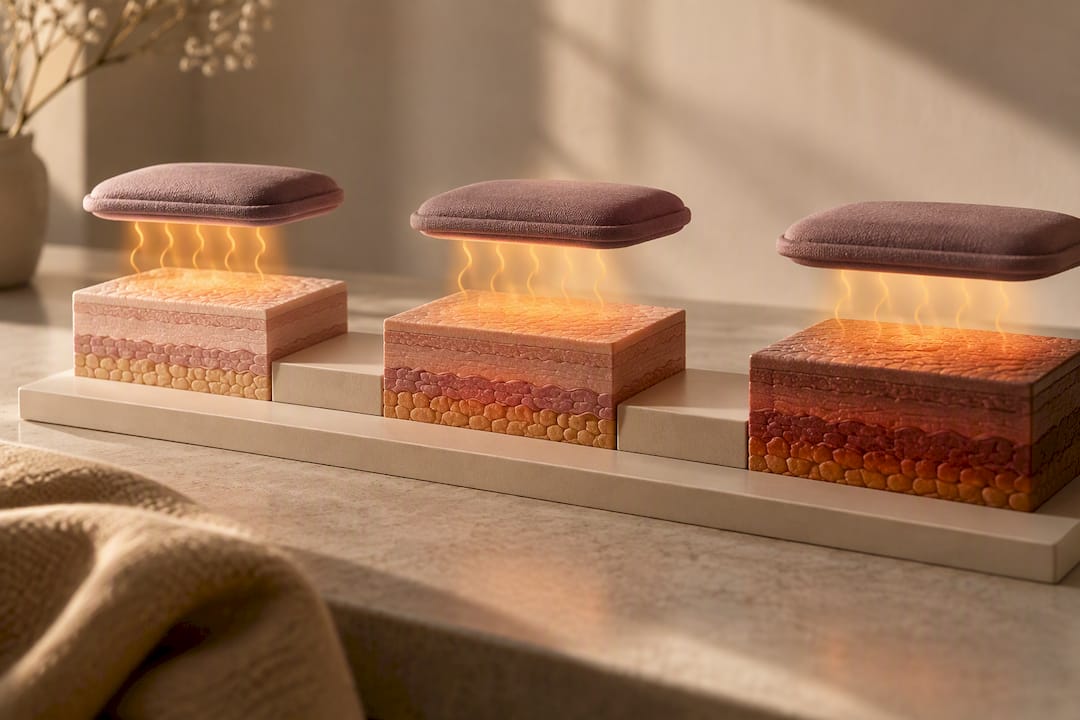
The conventional wisdom, “just don’t burn yourself,” misses the slower risk entirely. What actually protects you is rotation: moving the pad, limiting sessions to the 15 to 20 minute window clinicians recommend, and paying attention to skin color changes that show up gradually rather than all at once.
If there’s one thing worth prioritizing above all else, it’s this: treat heat therapy as a tool with a dose, not a comfort object you leave running. That mindset shift does more for your skin than any single product feature.
— Lavinia
A Cordless Way to Get the Same Relief Without the Cord Risk
Some wearable devices have been designed to address a specific gap in traditional heating pads: you can’t wear a plug-in pad to work, to the gym, or to bed without a cord, a wall outlet, and a good deal of trust that nothing overheats while you’re distracted. Cordless, rechargeable options that can be worn discreetly under clothing eliminate cord fray, outlet dependency, and the risk of falling asleep tangled in wiring.

The device combines heat, vibration massage, and red-light therapy across three heat levels and three massage speeds, letting you dial in comfort instead of guessing at a single fixed setting. Rebire reports that 93% of users felt reduced pain within 15 minutes of use, a company-reported figure worth knowing alongside the broader safety guidance in this article. Before you buy any heat device, check the temperature limits and battery safeguards listed on the NuFemme product page for $338, and talk to a clinician if you have any condition that changes how you should use heat. If you’re shopping for someone who deals with period pain every month, NuFemme also works well as a gift finished in Rose Gold or Ivory, not a last-minute pharmacy pickup.
This article is general information, not a substitute for advice from a qualified doctor. Consult a qualified healthcare professional about your own circumstances before acting on anything here.
Sources
- JKMAX Recalls Heated Blankets and Heating Pads Due to Fire and Burn Hazards
- What is toasted skin syndrome
- How to Use a Heating Pad to Heal and Ease Pain From Muscle Injuries | Cedars-Sinai
- Heating Pads and Electric Blankets Safety
FAQ
Are Heating Pads Safe for Your Body?
Yes, when used with a fabric barrier, a moderate setting, and sessions capped around 15 to 20 minutes. The risk comes from skipping those steps, not from heat therapy itself.
What Are the Chances of a Heating Pad Catching Fire?
It’s uncommon with a well-maintained device, but it does happen, particularly with older electric blankets or damaged cords. The CPSC recalled roughly 195,000 units after 577 reports of smoking or melting, which shows the risk is real enough to justify regular cord checks.
Is It Safe to Leave a Heating Pad on All Night?
No. Falling asleep with a heating pad running removes your ability to notice a burn forming or feel excessive heat building up, and it’s one of the most common causes of both burns and toasted skin syndrome. Set a timer and turn it off before you doze off, every time.
Is There a Non-Toxic Heating Pad Available?
Look for pads free of harmful materials, with clear manufacturer safety testing statements and defined temperature limits. Cordless wearable options like NuFemme also remove the cord-related hazards that come with traditional plug-in pads, which is worth factoring in if you’re choosing between device types.