

Heat, TENS (a small electrical stimulation device), gentle movement, and pelvic floor physical therapy are the drug-free options with the strongest research behind them for severe menstrual cramps. Used together, and started early, they can meaningfully blunt the pain. Long term, regular exercise, an anti-inflammatory diet, and targeted supplements help prevent the worst flares. If your cramps are disabling for several days each month, that’s worth a conversation with a clinician, not just a bigger toolkit.
TL;DR:
- Regular use of heat therapy during the early onset of cramps with moderate temperature and sessions of 15-20 minutes can provide immediate relief and reduce pain peaks.
- Gentle movement, such as walking or stretching, supported by aerobic routines three to four times weekly, can decrease menstrual pain both in the moment and over time.
- TENS devices applied to the lower abdomen or back significantly lower pain scores and are most effective when used at the first sign of cramps.
- Incorporating anti-inflammatory foods, omega-3 supplements, magnesium, or ginger may help reduce cramp severity, but consult a clinician before adding supplements to avoid interactions.
- Pelvic floor physiotherapy can alleviate severe cramps by releasing muscle tension, especially when combined with self-massage and relaxation techniques.
Table of Contents
- Heat therapy: how to apply it safely and effectively
- Movement and exercise that reduce cramps now and over time
- Electrotherapy (TENS): what research shows and how to use it
- Nutrition and supplements with supporting evidence
- Pelvic floor physiotherapy: when to seek it and self-care options
- Mind-body and relaxation techniques that lower pain perception
- Complementary therapies: acupuncture, acupressure, massage, topical remedies
- Preventive habits and tracking to reduce future severe cramps
- How NuFemme maps to evidence-backed approaches
- Author perspective: encouragement and clinical caution
- Where to learn more or try NuFemme
- Primary sources and further reading
- Sources
- FAQ
Heat therapy: how to apply it safely and effectively
Heat works because it relaxes the tight uterine muscle and increases blood flow to the area, which eases the cramping sensation almost immediately. That’s why a heating pad has been a go-to for generations, and why it’s worth using correctly instead of just tossing it on and hoping.
For best results, apply heat as soon as you feel the first twinge rather than waiting for the pain to peak. A consistent, moderate temperature works better than something scalding hot that you can only tolerate for a minute.
- Keep the heat source against your lower abdomen or lower back, wherever the cramping concentrates.
- Use sessions of 15 to 20 minutes at a time, checking your skin for redness between uses.
- Choose a wearable or a traditional pad you can comfortably keep on for a while, not just a quick burst.
A cordless, wearable heat device has a real practical edge here: you can keep it on under your clothes while you work, commute, or run errands, instead of being tied to an outlet or a couch. That matters because consistent heat exposure, not just one hot moment, seems to be what helps.
Pro Tip: Start heat the moment you notice the first cramp, not after the pain builds, since early use tends to blunt the peak instead of just treating it after the fact.
Movement and exercise that reduce cramps now and over time
Movement sounds counterintuitive when you’re doubled over, but gentle activity is one of the better-supported options for both instant and long-term relief.
- Take a slow walk for 10 to 15 minutes; the light movement helps ease muscle tension and gets blood flowing.
- Try pelvic tilts or a gentle cat-cow stretch to loosen the lower back and abdomen.
- Add a few minutes of deep, slow breathing while stretching to help your body settle.
For the longer game, a systematic review and meta-analysis found that exercise-based approaches, including stretching, core strengthening, and aerobic activity, produced clinically meaningful reductions in period pain. A separate network meta-analysis of exercise interventions found that several exercise types eased menstrual pain compared with no exercise at all, with resistance training and mixed exercise routines ranking among the more effective options.
A realistic routine looks like 20 to 30 minutes of moderate aerobic exercise, done three or four times a week, with a couple of short core or stretching sessions layered in. Movement likely helps by supporting circulation and easing the muscle tension that prostaglandins (the hormone-like compounds behind cramping) tend to aggravate. Stop and rest if you feel dizzy or the pain sharpens instead of easing.
Pro Tip: Keep the exercise light during heavy pain days. A short walk beats pushing through a tough workout when your body is already asking for less strain.

Electrotherapy (TENS): what research shows and how to use it
TENS units send a mild electrical current through pads placed on your skin, and the evidence behind them for period pain is genuinely encouraging. A 2026 systematic review found TENS therapy significantly reduced pain scores, with a mean difference of -1.97 on standard pain scales, and led to longer-lasting relief.
A well-supported option: TENS therapy for primary dysmenorrhea shows a meaningful drop in pain scores across trials, which means it’s one of the more reliable non-drug tools available.
To use it well:
- Place the pads on your lower abdomen or lower back, over the area where cramping concentrates.
- Start at a low intensity and increase gradually until you feel a strong but comfortable tingling.
- Turn it on as soon as cramps begin rather than waiting for them to worsen.
- Avoid TENS if you have a pacemaker, and check with a clinician first if you’re pregnant or have any cardiac condition.
TENS pairs well with heat or gentle movement rather than replacing them. Combining approaches tends to outperform relying on any single method.
Nutrition and supplements with supporting evidence
What you eat between cycles can shape how bad your cramps get. Favor whole foods, fatty fish, and produce, while cutting back on refined carbohydrates and trans fats, which can feed inflammation.
Several supplements have supportive research behind them, though results vary across studies:
- Omega-3 fish oil, taken daily in the days leading up to your period, has shown benefit in multiple trials.
- Magnesium is one of the better-studied options for easing cramp severity.
- Vitamin B1 has shown positive signals in trials for reducing menstrual pain.
- Ginger has demonstrated pain-relieving effects in several studies, often taken as a supplement or tea during the days cramps are expected.
Check with a clinician before starting any supplement if you take blood thinners or have a bleeding disorder, since some of these can affect clotting.
Pelvic floor physiotherapy: when to seek it and self-care options
A 2021 systematic review and meta-analysis found physiotherapy treatments, including manual therapy, exercise, and electrotherapy, produced a clinically meaningful reduction in period pain compared with no treatment at all. Pelvic floor tension often contributes to cramping, and a physiotherapist can identify and release that tension through hands-on techniques, biofeedback, or guided exercises.
A typical course involves a few sessions over several cycles, with a clinician assessing your response and adjusting the plan. Persistent, severe pain that doesn’t improve is a signal to ask about underlying causes rather than continuing self-treatment alone.
- Try gentle self-massage in a circular motion over your lower abdomen to ease surface tension.
- Use a tennis ball or foam roller lightly against your lower back for a simple release technique at home.
Mind-body and relaxation techniques that lower pain perception
Stress and muscle tension amplify how intensely you feel pain, so calming your nervous system can genuinely take the edge off.
- Try paced breathing: inhale for four counts, exhale for six, for several minutes.
- Practice progressive muscle relaxation, tensing and releasing each muscle group from your feet upward.
- Use a short guided imagery recording, picturing a calm, specific scene, to shift your focus away from the pain.
Free apps like Insight Timer or Calm offer short, guided sessions if you want something to follow along with during a cramp.
Complementary therapies: acupuncture, acupressure, massage, topical remedies
Acupuncture and acupressure have shown promising, if mixed, results for period pain in various studies, and many people find real relief from consistent sessions over a few cycles. Massage, particularly around the lower abdomen and back, can ease muscle tension in the moment.
- Try pressing firmly on the point about three finger-widths below your belly button for a minute at a time.
- A short lower back massage with a warmed oil can add a calming, dual benefit alongside heat.
Treat these as add-ons rather than standalone fixes, and give them a few cycles before judging whether they’re helping.
Preventive habits and tracking to reduce future severe cramps
Small daily habits add up more than any single remedy.
- Prioritize consistent sleep and hydration, since dehydration can worsen cramping.
- Keep a light exercise habit going year-round, not just during your period.
- Start heat or TENS at the very first sign of your cycle approaching if your pattern is predictable.
- Track your symptoms in a simple diary noting pain intensity, duration, and what helped.
- See a clinician if pain consistently disrupts your normal activities. ACOG notes that dysmenorrhea is driven by prostaglandins and recommends evaluation when pain interferes with daily life, since it can sometimes point to conditions like endometriosis.
How NuFemme maps to evidence-backed approaches
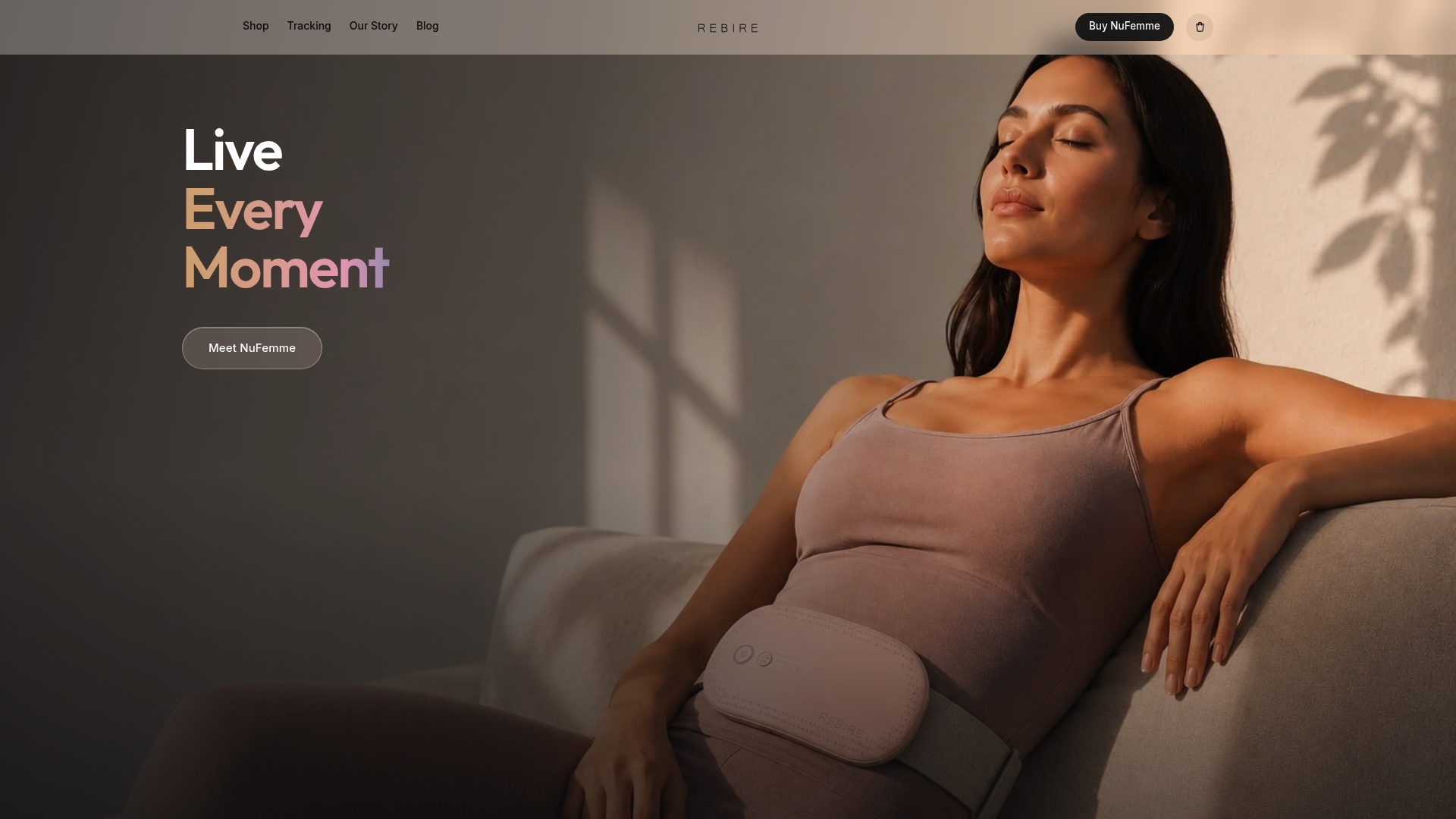
According to its maker, NuFemme combines heat, vibration massage, and red-light therapy in one cordless, wearable belt, with three heat levels and three massage speeds. Those are Rebire’s own claims about the product, not independent findings.
Heat and massage each have supporting evidence as non-drug options for period pain, and combining them in one wearable device is a practical way to use both without being tied to an outlet.
For details on any clinical data or user experiences behind these claims, visit the product page directly.
Author perspective: encouragement and clinical caution
You don’t need to find one perfect fix. Combine a few of these approaches, give them time, and take severe or disruptive pain seriously enough to bring it to a clinician.
— Lavinia
Where to learn more or try NuFemme
If heat and massage already help your cramps, NuFemme lets you keep that relief going while you’re at your desk, running errands, or just need a quiet moment, without being stuck at home with a cord. Explore it on the NuFemme product page, or see how it fits into a workday on the Workday Relief page.
Primary sources and further reading
For deeper reading, see the TENS systematic review, the exercise and electrotherapy meta-analysis, the physiotherapy meta-analysis, and ACOG’s guidance on dysmenorrhea. For a broader, product-neutral overview, this period pain relief guide is also worth a look.
This article is general information, not a substitute for advice from a qualified doctor. Consult a qualified healthcare professional about your own circumstances before acting on anything here.
Sources
- Systematic review/meta-analysis on TENS for primary dysmenorrhea (2026)
- Exercise Therapy and Electrotherapy as an Intervention for Primary Dysmenorrhea: A Systematic Review and Meta-Analysis (2023)
- Efficacy of Physiotherapy Treatment in Primary Dysmenorrhea: A Systematic Review and Meta-Analysis (2021)
FAQ
Why are my period cramps unbearable?
Unbearable cramps are usually driven by high prostaglandin levels causing intense uterine contractions, though persistent severe pain can also point to conditions like endometriosis. ACOG recommends evaluation when pain regularly interferes with your normal activities.
When should I go to the hospital for period cramps?
Seek urgent care if cramps come with heavy bleeding, fainting, fever, or pain that’s suddenly far worse than your usual pattern. Ongoing severe pain that doesn’t respond to your usual measures also warrants a clinician visit rather than a hospital trip in most cases.
What’s the best way to get rid of cramps without medication?
Starting heat or a TENS device at the first sign of cramping, paired with gentle movement, is one of the more reliable combinations backed by research. A 2026 systematic review found TENS meaningfully reduced pain scores, and layering it with heat tends to work better than either alone.
What is the best heating pad for alleviating menstrual cramps?
The best option is one you can use consistently at the right temperature for 15 to 20 minutes at a time, whether that’s a traditional pad or a wearable device. A cordless wearable like NuFemme lets you keep heat on your lower abdomen while you go about your day, which some people find easier to stick with than a plug-in pad.
Are supplements like magnesium or ginger effective for cramps?
Both have shown positive signals in trials for reducing menstrual pain severity, though results vary by study and person. Check with a clinician before starting either if you take blood thinners or have a bleeding condition.