

Yes, you can travel with cramps. The pain doesn’t have to ground your plans if you pack the right kit and act before the discomfort peaks. Assemble a small travel pouch, start pain relief early instead of waiting it out, and bring along a heat option you can use anywhere. Preparation turns a stressful trip into a manageable one.
TL;DR:
- Using a cordless wearable heat device like NuFemme provides continuous relief and reduces pain within 15 minutes, making it more effective than disposable patches.
- Proactively taking NSAIDs an hour before cramps start helps manage pain better than waiting for symptoms to peak.
- Packing a minimal kit with backup menstrual products, a heat option, pain relievers, and spare underwear can cover most travel cramp scenarios efficiently.
- Staying hydrated, moving regularly, and dressing in layers mitigate cramp severity during long travel days and improve comfort.
- Requesting aisle seats and keeping heat patches and chargers accessible simplifies management of cramps during flights and long road trips.
Table of Contents
- Pre-Trip Packing: What to Put in Your Travel Cramp Kit
- Hydration, Food, and Movement: Day-of Strategies for Dealing with Cramps While Traveling
- What Are the Best Travel-Friendly Heat Options for Cramps?
- How Do You Manage Cramps on Flights and Long Car Rides?
- When Do Cramps Mean You Should Delay Your Trip or See a Doctor?
- The Minimalist Travel Cramp Kit, One Pouch
- A Personal Note on Traveling Through Cramp Days
- Why NuFemme Belongs in Your Travel Kit
- Sources
Pre-Trip Packing: What to Put in Your Travel Cramp Kit
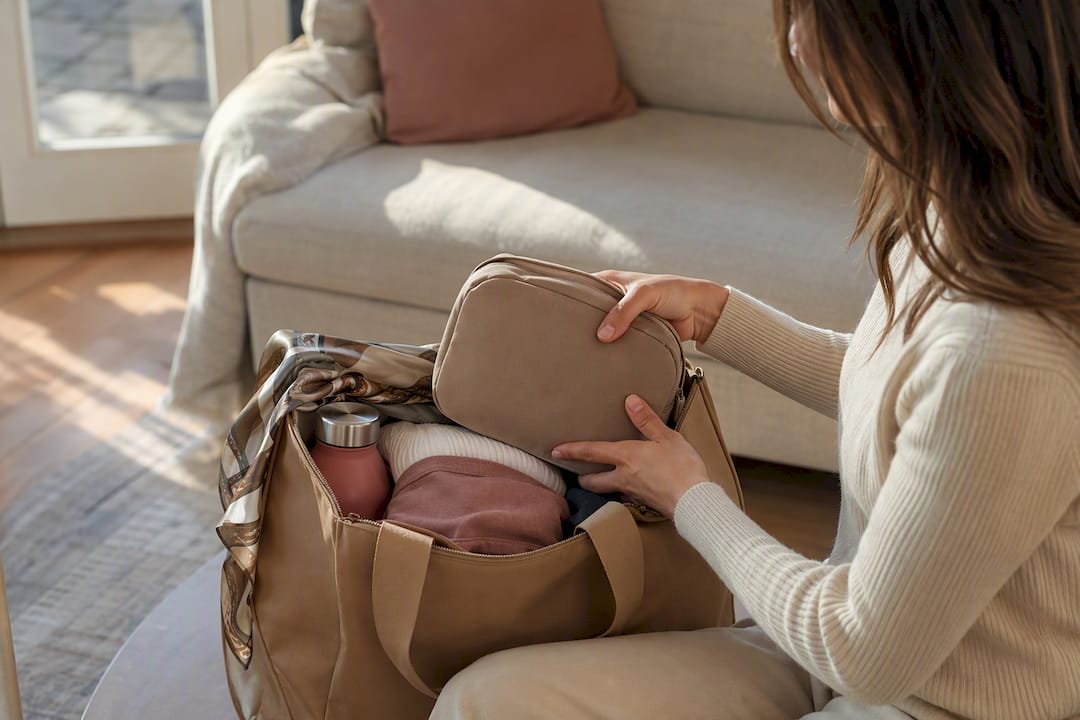
Cramps rarely announce themselves on a schedule, so your kit needs to cover surprises, not just the expected days. Build it around backups, pain control, and heat, and you’ll spend less mental energy hunting for a pharmacy in an unfamiliar city.
Here’s what belongs in a travel period kit that actually earns its space in your bag:
- Primary menstrual product plus one backup type — pair tampons with a liner, or bring period underwear as insurance against a heavier-than-expected flow.
- OTC pain relievers like ibuprofen or naproxen, packed in their original bottle with a written dose note if you’re checking a bag.
- A disposable heat patch for the first leg of your trip and a cordless heat wearable for ongoing relief once you’ve arrived.
- Spare underwear and a few individually wrapped wipes for quick refreshes without a full outfit change.
- Small sealable bags to isolate soiled items until you can wash or dispose of them properly.
Packing extra laundry supplies isn’t overkill either. A little travel laundry essentials can save a trip if a leak happens far from a washing machine. Planning your kit around your actual cycle timing, not just a generic packing list, cuts down on travel anxiety and symptom flares before they start.
Hydration, Food, and Movement: Day-of Strategies for Dealing with Cramps While Traveling
What you do during transit matters almost as much as what you pack. Small habits, repeated over a long travel day, either calm your body or wind it tighter.
- Drink water on a schedule, not when you remember to. Cabin air and long car rides dehydrate you faster than you’d think, and dehydration tends to make cramping worse. Cut back on caffeine and alcohol, both of which can intensify bloating and cramp intensity.
- Snack on fiber-rich, balanced foods instead of salty airport fare. A bag of nuts, fruit, or a simple sandwich keeps blood sugar steadier than chips or candy.
- Dress in layers with a flexible waistband. Temperature swings between an air-conditioned terminal and a warm tarmac are real, and tight waistbands make cramping feel worse than it is.
- Get up and move every hour or two. A short walk down the aisle or a rest stop stretch keeps your lower back and abdomen from stiffening further.
- Try slow, deliberate breathing when cramps spike. Simple relaxation techniques can measurably lower how intense pain feels in the moment, according to guidance from the Mayo Clinic.
- Take your usual NSAID proactively, before pain peaks, if that’s normally your strategy and you have no medical reason to avoid it. Waiting until cramps are unbearable makes the same dose work harder.
Pro Tip: Set a phone reminder for your first dose of pain reliever an hour before you expect cramps to start, not after they’ve already taken hold. Proactive dosing works better than playing catch-up.
What Are the Best Travel-Friendly Heat Options for Cramps?
Heat is one of the most dependable, low-effort tools for cramp relief, and travel shouldn’t mean giving it up. Research on non-pharmacologic pain management backs this up directly: heat and movement measurably reduce menstrual pain severity, which is why so many travelers build a heat plan into their kit rather than treating it as optional.
Your options break down into three practical categories:
- Disposable adhesive patches are cheap, thin, and TSA-friendly, making them ideal for a single flight leg, but they lose heat after a few hours and can’t be reused.
- USB or plug-in heating pads work well at a hotel but tie you to an outlet, which defeats the purpose once you’re out sightseeing or stuck in a car.
- Cordless wearable devices combine heat with vibration massage and stay put under clothing, giving you continuous relief without hunting for outlets.
That last category is where NuFemme fits. It’s a rechargeable, cordless belt that layers heat, massage, and red-light therapy into one wearable you can keep on through a layover or a long meeting. In the same survey referenced above, a large majority of users reported reduced pain within 15 minutes of use. For multi-day trips, a reusable wearable beats restocking disposable patches at every stop.
How Do You Manage Cramps on Flights and Long Car Rides?
Planes and cars each create their own version of the same problem: limited mobility, limited privacy, and limited access to a bathroom exactly when you need one.
- Request an aisle seat if you haven’t already. It’s worth the small hassle of asking a gate agent, since easy access to the aisle means you can stand, stretch, or reach the restroom without disturbing two other passengers.
- Pack heat patches, gels, and your wearable in your carry-on, not checked luggage. TSA generally allows heat patches and battery-powered wearables through security without issue, but keep chargers within reach so you’re not digging through an overhead bin mid-flight.
- Double up on protection for long stretches without guaranteed bathroom access. Experienced travelers often pair a tampon with a liner or switch to period underwear for the added buffer.
- Build a stretch break into road trips every 90 minutes to two hours. Sitting still for hours tends to let cramps compound rather than fade.
- Scope out the restroom situation early on trains or buses so a discreet product change doesn’t turn into a scramble.
When Do Cramps Mean You Should Delay Your Trip or See a Doctor?
Most cramps, even bad ones, are manageable with the steps above. But certain signs mean it’s time to pause, not push through: soaking through protection every hour, fainting or severe dizziness, fever, or sudden pain unlike your usual pattern. If you have a known condition like endometriosis or a history of severe symptoms, check with a clinician before departure rather than hoping the trip goes smoothly. This guide offers general strategies, not individualized medical advice, so loop in a healthcare provider for anything that feels off.
The Minimalist Travel Cramp Kit, One Pouch
If you’re packing in the next ten minutes, here’s the shortlist that covers most situations without overloading your bag.
- One backup menstrual product (liner or period underwear)
- One heat option (patch for carry-on, wearable for the full trip)
- One dose of your usual NSAID, labeled with the dosage
- One spare pair of underwear
- One small sealable bag for anything soiled
| Item | Carry-on or checked? |
|---|---|
| Heat patch or wearable | Carry-on |
| Pain reliever (in original bottle) | Carry-on |
| Backup menstrual product | Carry-on |
| Spare underwear | Either |
Keep medications and heat tools within arm’s reach. Everything else can ride in checked luggage without much risk.
A Personal Note on Traveling Through Cramp Days
The trips I’ve regretted weren’t the ones where cramps showed up. They were the ones where I ignored them and pushed through a packed itinerary anyway. Give yourself permission to swap an activity for a slower afternoon. Comfort first isn’t a compromise. It’s what makes the rest of the trip worth having.
— Lavinia
Why NuFemme Belongs in Your Travel Kit
NuFemme solves the exact problem disposable patches can’t: heat that doesn’t fade after two hours and doesn’t require an outlet. It’s cordless, rechargeable, and slips on discreetly under clothing, with three heat levels and three massage speeds so you can dial in relief whether you’re stuck in a middle seat or finally collapsed on a hotel bed.
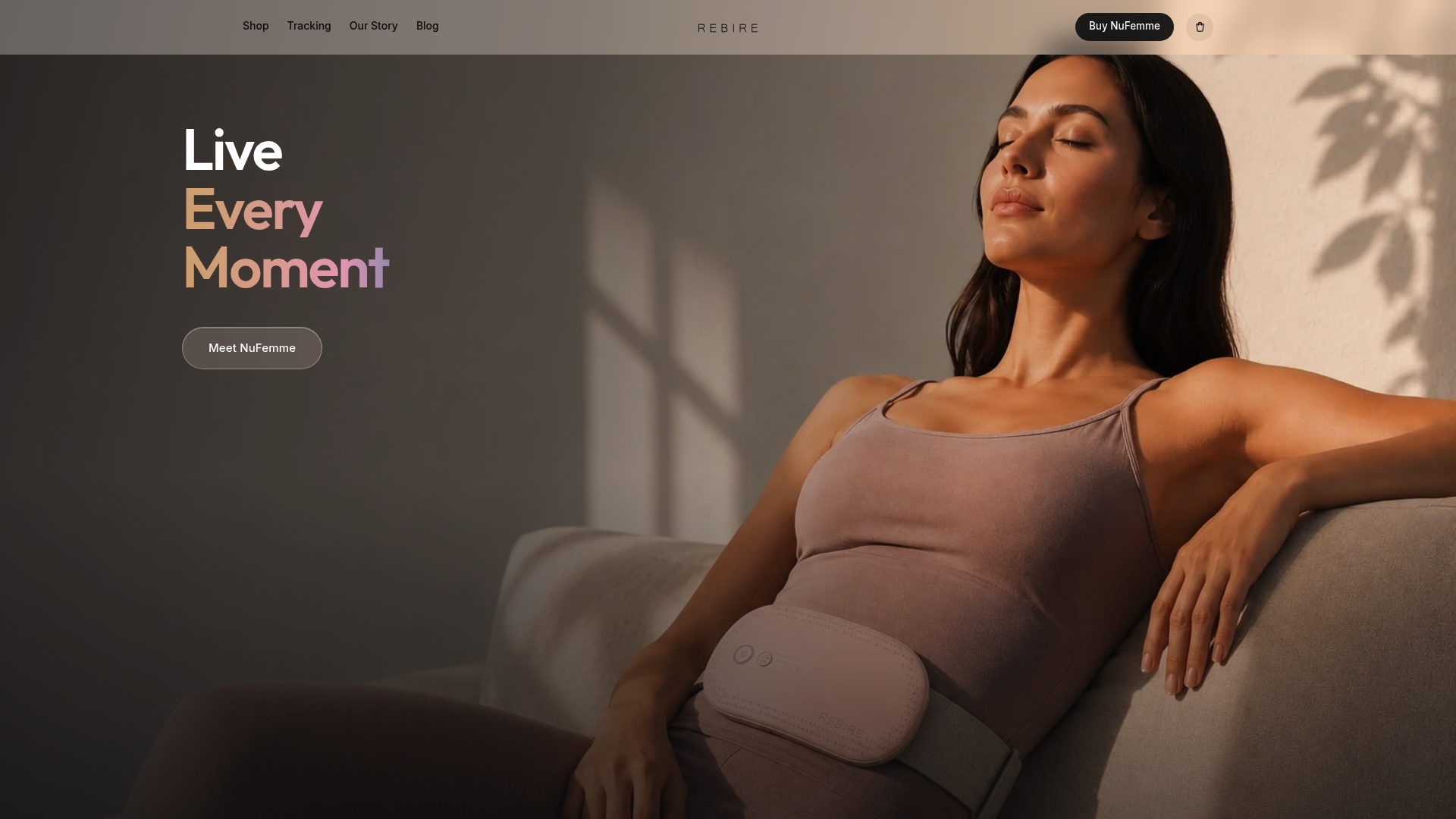
That’s the kind of fast, predictable relief that matters most when you’re away from your usual routine. It also makes a genuinely thoughtful gift, finished in Rose Gold or Ivory, for anyone who’s ever watched a partner push through a travel day in pain and wanted to do something about it.
Charge it fully the night before a flight, pack it in your carry-on alongside your usual period cramp relief essentials, and it’s ready whenever cramps are. Ready to add one to your kit? Shop NuFemme before your next trip.

This article is general information, not a substitute for advice from a qualified doctor. Consult a qualified healthcare professional about your own circumstances before acting on anything here.
Sources
- New devices are interrupting period cramps — HealthyWomen
- Traveling can impact your menstrual cycle — Condé Nast Traveler
- PubMed article relevant to non-pharmacologic management of menstrual pain
- Stress relief — Mayo Clinic