

Use vibration massage for an initial 10 to 20 minute session and stop immediately if you feel burning, blistering, worsening pain, or numbness. Most people can safely repeat a short session multiple times a day, but you should always let your device’s instructions and your own clinician’s advice take priority over any general guideline. If something feels off, trust your body over the timer.
TL;DR:
- Limiting vibration sessions to 10 to 20 minutes and avoiding prolonged or nightly use reduces skin irritation and burn risks.
- Starting on the lowest intensity and heat settings, then gradually increasing, helps prevent discomfort and adverse skin reactions.
- Monitoring skin condition and pain response before and after sessions ensures safety, especially for those with skin sensitivities or medical conditions.
- Short, repeated sessions are recommended for optimal relief, with caution on heavier flow days when skin is already stressed.
- NuFemme’s adjustable three heat and massage levels with red-light therapy support safe, personalized relief, but individual skin sensitivities should be considered.
Table of Contents
- Safety duration guidelines for vibration therapy
- How to use a vibration wearable safely, step by step
- When to stop and warning signs you shouldn’t ignore
- Device settings and skin protection that reduce risk
- Where NuFemme fits into safer vibration therapy
- Precautions by cramp severity and cycle stage
- Vibration therapy versus other period cramp relief methods
- Types of vibration devices made for period use
- A note on testing what works for your body
- A gentler way to get through cramp days
- FAQ
- Sources
Safety duration guidelines for vibration therapy
Start small. A first session of 10 to 20 minutes gives you enough time to feel whether vibration eases your cramps without overdoing it on a part of your body that is already sensitive. Wait a bit and notice how you feel before turning the device back on.
If the first session helps, you can typically repeat it several times across the day as cramps flare. What we want to avoid is turning it into background noise: continuous use for several hours, or wearing a heat-and-vibration device all night while you sleep, raises your risk of skin irritation without added benefit.
StatPearls guidance on nonpharmacologic devices recommends that treatment with devices like TENS units be individualized, with users documenting settings, session length, and how their skin and symptoms respond. That same logic applies directly to a vibration wearable: your cramps, your skin, and your comfort level are not identical to anyone else’s.
A simple way to track your response:
- Rate your pain from 0 to 10 before the session starts.
- Rate it again right after the session ends.
- Ask yourself a functional question: can you sit at your desk, walk, or focus more easily now?
- Note anything unusual on your skin, even mild redness.
One finding worth knowing: FDA MAUDE reports document burns and blistering linked to prolonged or misapplied heat therapy for menstrual cramps, which is exactly why shorter, monitored sessions beat marathon ones.
How to use a vibration wearable safely, step by step
Getting the placement and settings right matters as much as the timing. Here is a simple sequence to follow each time you use a wearable for cramp relief:
- Position the device over your lower abdomen, centered around the uterine area, and avoid pressing it directly against your hip bones or pelvis.
- Start on the lowest intensity setting and give it a minute before adjusting. Go up only as far as feels soothing, never to the point of discomfort.
- If your device includes heat, choose the lowest heat setting first. Avoid combining maximum heat and maximum vibration for long stretches, since that pairing raises skin temperature faster than either alone.
- Check your skin before you start and again right after. Skip the session if the area is already irritated, broken, or unusually sensitive.
- Avoid adhesive misplacement. Devices designed to sit against skin should not be stuck to tight clothing instead, since that can shift pressure points and reduce airflow.
- Run your quick-check routine: rate your pain, use the device for 10 to 20 minutes, check your skin, then rate your pain again.
Pro Tip: Keep a simple note on your phone with your pain ratings and settings for the first week. Patterns show up fast, and they make it much easier to figure out what actually works for your body.
When to stop and warning signs you shouldn’t ignore
Some symptoms mean stop now, not later. Watch for:
- Burning or stinging that doesn’t ease when you lower the intensity.
- Blistering, swelling, or skin that looks shiny or discolored.
- Pain that gets worse instead of better during the session.
- Numbness, tingling, dizziness, heart palpitations, or involuntary muscle twitching.
One thing to keep in mind: MAUDE adverse event reports describe burns from heat wraps that happened even when people believed they were following instructions, often tied to prolonged use, layering, or occlusion rather than a faulty product. That is a reminder that your own habits around timing and skin checks matter as much as the device itself.
If you get a mild burn, cool the area with lukewarm water, skip direct ice, and cover it loosely with a sterile dressing. Seek medical care for blistering, significant pain, or any sign of infection. If you have a skin condition like eczema, reduced sensation from neuropathy, or an implanted medical device, talk to a clinician before adding vibration or heat therapy to your routine.
Device settings and skin protection that reduce risk
Heat and vibration working together can raise skin temperature faster than either one on its own, which is part of why burns show up in adverse event reports even from products used close to as directed. A lower combined setting, or alternating between heat and vibration rather than running both at maximum, gives your skin more of a buffer.
A thin layer of cotton clothing between the device and your skin can help with comfort, though you should follow your specific device’s instructions, since some wearables are designed for direct skin contact. Either way, do a quick check partway through longer sessions for any hot spots.
- Avoid tight, compressive clothing layered over the device, which traps heat.
- Never relocate an adhesive patch meant for skin onto fabric instead.
- If your device uses single-use adhesives, replace them as instructed. Reused adhesive can trap moisture and heat against skin, which MAUDE reports link to excessive heating incidents.
Pro Tip: If you’re testing a new setting combination, do it during the day when you can check in on your skin, not overnight when you can’t.
Where NuFemme fits into safer vibration therapy
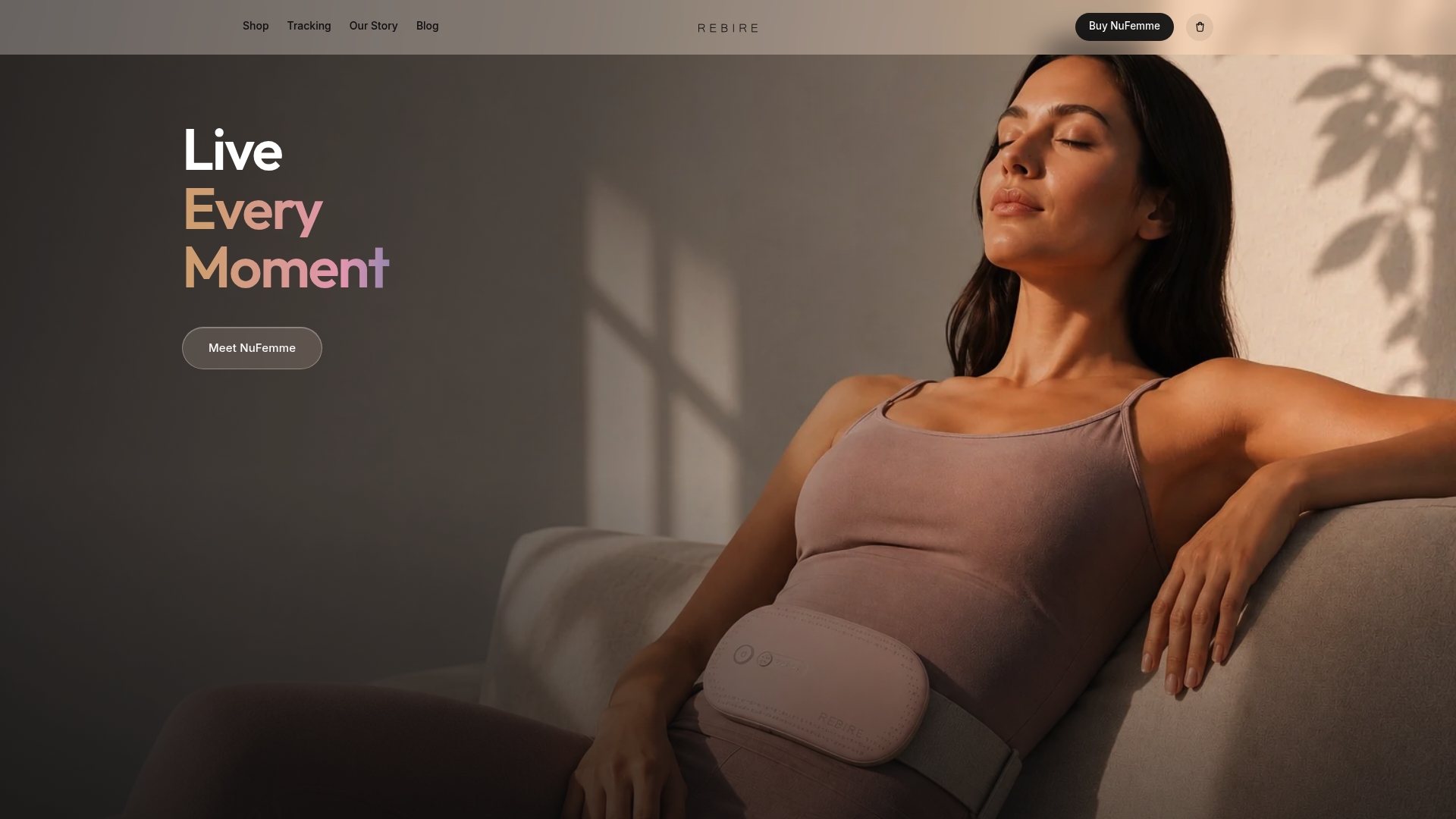
NuFemme is built around exactly this kind of cautious, adjustable approach. It is a cordless wearable that eases period cramps with heat, massage, and red-light therapy in one belt, letting you choose from three heat levels and three massage speeds instead of a single fixed intensity. That range supports the start low, go slow approach we’ve walked through: you can begin on the gentlest combination and adjust only as your body tells you to.

The brand reports that 93% of users felt reduced pain within 15 minutes, which lines up with the short-session approach that safety guidance recommends. For anyone buying it as a gift, it’s worth confirming the recipient’s skin sensitivities ahead of time and letting her explore the settings herself once it arrives.
Precautions by cramp severity and cycle stage
Mild cramps on day one or two often respond well to a basic short session, and you can likely stick to the general 10 to 20 minute guideline without much adjustment. Heavier bleeding days call for a bit more caution: skin against a pad or liner for hours is already under some friction and moisture stress, so keep sessions on the shorter end and check skin condition more often.
If your cramps are severe enough that over-the-counter pain relief and heat haven’t helped within a few cycles, that’s a signal worth bringing to a clinician rather than just increasing device intensity. The ACOG committee opinion on dysmenorrhea notes that treatment should be reassessed if it isn’t improving function over time, which applies to device-based relief just as much as medication.
Early cycle days, when cramping tends to peak, are also when you’re most likely to want longer or more frequent sessions. That’s precisely when sticking to the repeat-frequency guidance (two to four short sessions rather than one long one) matters most, since your skin is getting more cumulative exposure across the week.
Vibration therapy versus other period cramp relief methods
Heating pads have been a go-to for generations, and they genuinely help many people, but they usually tie you to an outlet or a couch, and prolonged heat exposure is exactly what shows up in burn-related adverse event reports. Over-the-counter pain relievers work for many people but come with their own dosing limits and aren’t something you can simply stack when cramps get worse.
Vibration therapy offers a different mechanism entirely, working through sensation and muscle response rather than medication or sustained heat alone. Magnesium and other drug-free, evidence-based options can work well alongside a device rather than instead of it. Light-based approaches, like the kind used in red-light and low-level light therapy for adjunct recovery, illustrate how combining gentle modalities, rather than relying on a single intense one, tends to be the safer path.
None of these methods is a universal answer, and what works often comes down to your specific pain pattern and skin sensitivity. A broader rundown of drug-free relief strategies can help you figure out which combination fits your cycle.

Types of vibration devices made for period use
Handheld massagers give you full control over pressure and placement but require a free hand, which isn’t always practical during a workday. Wearable belts solve that by freeing your hands while keeping consistent contact over your lower abdomen, which is part of why they’ve become popular for discreet daytime relief.
Some wearables add heat or infrared light to the vibration, while others keep it to a single mode. If you’re comparing options, our guide to wearable heating pad features covers what to look for in terms of battery life, fit, and safety design. Whichever type you choose, the same core rules apply: short sessions, skin checks, and settings you control rather than a single fixed intensity.
A note on testing what works for your body
Period pain is real, and finding relief that fits your life shouldn’t require guesswork or discomfort. We’d rather you start cautious, with short sessions and honest pain ratings, than assume more intensity always means more relief.
Track how your skin and pain respond over a few cycles, and if anything feels persistent or unusual, bring it to a clinician instead of pushing through alone.
— Lavinia
A gentler way to get through cramp days
Some products combine heat, massage, and red-light therapy in one cordless belt, offering adjustable relief without being stuck near an outlet. Multiple heat levels and massage speeds mean you can start gentle and build up only as far as feels good.
Before your first session, take a minute to read through the product and skin-safety details on the NuFemme page. If you’re shopping for someone else, our gift guide for period relief can help you pick a thoughtful option she’ll actually use.
| Feature | What it offers |
|---|---|
| Heat settings | Three adjustable levels |
| Massage settings | Three adjustable speeds |
| Added therapy | Red-light (infrared) |
| Design | Cordless, wearable under clothing |
| Price | $338 one-off, NuFemme product page |
This article is general information, not a substitute for advice from a qualified doctor. Consult a qualified healthcare professional about your own circumstances before acting on anything here.
FAQ
How long should I use a vibration device for period cramps?
Start with a session of 10 to 20 minutes and see how your body responds before repeating it. Most people can safely use short sessions two to four times a day, but always follow your specific device’s instructions over general guidance.
Can vibration therapy cause skin burns?
Vibration alone is low risk, but combining it with heat for long or repeated sessions raises the chance of skin irritation or burns. FDA adverse event reports on heat wraps show this risk rises with prolonged or occluded use, which is why shorter sessions and skin checks matter.
How fast does NuFemme work for period cramps?
NuFemme’s brand data reports that 93% of users felt reduced pain within 15 minutes of use. Individual results vary, so starting on a lower setting and adjusting from there is still the safest approach.
When should I stop using a vibration device and see a doctor?
Stop immediately if you notice burning, blistering, numbness, dizziness, or worsening pain, and seek care if these symptoms don’t resolve quickly. The ACOG guidance on dysmenorrhea also recommends reassessing treatment if there is no improvement over time.
Is vibration therapy safe for everyone during their period?
Most people tolerate vibration therapy well, but those with certain skin conditions, reduced sensation, or implanted medical devices should check with a clinician first. Severity and timing within your cycle can also affect how your skin responds, so shorter sessions are a safer starting point for anyone new to it.
Sources
- Transcutaneous Electrical Nerve Stimulation - StatPearls - NCBI Bookshelf
- ACOG Committee Opinion No. 760: Dysmenorrhea and endometriosis
- MAUDE Adverse Event Report: THERMACARE MENSTRUAL; DISPOSABLE PACK, HOT