

Yes, you can wear a cramp belt discreetly through a full day if you follow a few basic rules. Charge the device fully, center the heating panel directly over your pain point, start at the lowest heat setting, and check your skin often. Always follow your device’s manual, and stop immediately if you notice burning or redness.
TL;DR:
- Center the panel low on your abdomen for front cramps or over your lower back for back pain, and reposition before raising the heat.
- Use a fabric layer, start at the lowest setting, check your skin after 5 to 10 minutes, and never sleep in an electric belt.
- A 2026 review of 57 trials and 5,359 participants found heat reduced menstrual pain and matched or slightly exceeded NSAIDs in several comparisons.
- Seek care when cramps worsen, disrupt daily activities, first become severe after age 25, or accompany heavy bleeding, fever, or pain outside your period.
Table of Contents
- What a cramp belt does and the types you can wear under clothes
- Step-by-step: how to put on and position a cramp belt for front and back cramps
- Safety rules and how to avoid burns and skin irritation
- How to wear a cramp belt during commuting, work, and errands
- When a cramp belt is only temporary relief and you should see a clinician
- What we’ve learned about wearing cramp relief well
- How to clean and maintain the cramp belt for hygiene and durability
- The part of cramp relief advice that gets oversimplified
- Where NuFemme fits into your daily relief routine
- FAQ
- Sources
What a cramp belt does and the types you can wear under clothes
A cramp belt delivers warmth, and sometimes gentle vibration, directly to the muscles that tighten during your period. That targeted warmth relaxes the area and can ease the ache without you having to sit still near an outlet or a bulky heating pad.
Several styles exist, and each fits differently underclothing:
- Cordless heat and vibration belts wrap around your waist, run on a rechargeable battery, and often combine warmth with massage for deeper relief.
- Rechargeable slim pads sit flatter than traditional belts and work well under fitted clothing, though they may offer fewer settings.
- Adhesive heat patches stick directly to clothing or skin for a few hours of low, steady warmth with no straps or controls.
- TENS-style patches use mild electrical pulses instead of heat and can be combined with a heat source for layered relief.
A 2026 systematic review of 57 randomized trials covering 5,359 participants found that heat therapy reduced menstrual pain compared with no treatment, and performed comparably or slightly better than NSAIDs in several comparisons, with fewer side effects. That evidence supports heat as a legitimate relief method in general. It does not confirm every specific feature a given device advertises, so weigh individual product claims separately from the broader case for heat itself.
For daily wear, look for a flat profile that doesn’t print through clothing, heat you can adjust in small steps, controls you can reach without undressing, a battery that lasts your whole shift, and a fit that stays put when you walk or sit.
Step-by-step: how to put on and position a cramp belt for front and back cramps
Getting the fit right the first time saves you from fidgeting with it all morning. Here’s the order that works best.
- Charge the unit fully the night before and skim the manual for your model’s heat range and session limits.
- Inspect the straps and heating panel for wear, loose stitching, or a pad that no longer sits flat.
- Choose your clothing layer: a thin fabric barrier between skin and device (like a camisole) protects your skin and makes the belt easier to hide.
- Position the panel: for front-dominant cramps, center it low on your abdomen, just above the pubic bone; for back pain, slide it around to your lower back instead.
- Secure the strap snugly, not tightly. You should be able to slide two fingers underneath comfortably.
- Test movement by walking a few steps and sitting down before you leave the house. The panel should stay centered, not ride up or twist.
- Start on the lowest heat setting and gentlest massage mode, then increase gradually once you know how your skin responds.
- Check your skin after the first 5 to 10 minutes, then periodically through the session.
Front and back placement solve different problems, so don’t assume one spot works for everyone. If your cramps radiate toward your lower back, a belt centered only on your abdomen will leave that pain untouched. Some people find relief by alternating position: front for the first hour, back for the next, based on where the ache is strongest that day.
Keeping the panel flat and centered matters more than most people expect. A belt that’s shifted off to one side concentrates heat unevenly, which feels less effective and raises your risk of skin irritation in one spot. Tight compression can also work against you. Healthline’s guidance on heating pad use notes that avoiding direct high-heat contact with bare skin and checking skin frequently are basic safety steps, and a belt cinched too tight traps heat against one area longer than intended.
Pro Tip: If relief feels incomplete after 10 minutes, try repositioning slightly before turning up the heat. A small shift in placement often does more than an extra heat level.
Once you’ve found your spot and setting, note it. Most people land on a routine within a cycle or two, and from there, putting the belt on becomes a 30-second habit rather than a process.

Safety rules and how to avoid burns and skin irritation
A cramp belt is simple to use, but heat against skin for hours carries real risk if you ignore the basics. The rules below aren’t optional extras, they’re the difference between comfort and injury.
- Read the manual before your first use and follow its stated heat levels and maximum session length.
- Avoid prolonged direct contact between bare skin and a high-heat setting; a thin fabric layer reduces this risk.
- Watch for burning, marked redness, numbness, or dizziness, and stop use immediately if any appear, then inspect your skin.
- Never sleep while wearing an electric heat belt. Unmonitored use for hours during sleep is one of the most common causes of heat-related skin injury.
- Use extra caution if you have reduced skin sensation (from diabetes or nerve conditions) or wear an implantable medical device, since you may not notice overheating as quickly.
Repeated low-level heat exposure without breaks can cause toasted skin syndrome, a mottled skin discoloration from prolonged, direct heat contact. It’s avoidable: keep sessions within your device’s recommended limits, don’t fall asleep with the belt on, and give your skin breaks between uses rather than running it continuously for hours.
Healthline’s safety guidance also recommends choosing a device with adjustable heat and, where possible, an auto shut-off feature, since that removes the risk of forgetting a session is running long.
How to wear a cramp belt during commuting, work, and errands
The goal during a workday is simple: warmth that works without anyone noticing. A few habits make that realistic.
- Choose higher-waisted bottoms and layered or looser tops that don’t cling tightly over the belt’s outline.
- Charge the unit before you leave and pick your heat and massage settings in advance so you’re not fumbling with controls in a meeting or on transit.
- Keep the control unit within easy reach, whether that’s a side pocket or a spot you can access under a blazer without drawing attention.
- Stick to light movement like walking, desk work, or standing tasks; skip high-intensity exercise while the belt is actively heating, since sweat and motion can loosen the fit.
- Reposition while seated by shifting your hips slightly forward, which often keeps the panel from sliding during long stretches at a desk.
Slippage is the most common complaint, and it’s usually a strap problem, not a device problem: tighten by one notch and recheck after a few minutes of movement. Noisy vibration modes are often quieter against a thin fabric layer than against bare skin, which doubles as a safety buffer. If you feel overheating sooner than expected, don’t assume something’s broken. Drop down one heat level first.
Pro Tip: Preset your heat and massage levels before leaving home. Adjusting them mid-commute is the biggest giveaway that you’re wearing anything at all.
When a cramp belt is only temporary relief and you should see a clinician
A belt manages pain in the moment. It doesn’t address why the pain is happening, and some patterns deserve a closer look. Mayo Clinic advises seeking care if your cramps:
- Regularly limit school, work, exercise, or social activities, rather than being a mild monthly inconvenience.
- Worsen over time instead of staying consistent cycle to cycle.
- First become severe after age 25, which can signal an underlying condition like endometriosis or fibroids.
- Come with heavy bleeding, fever, or pain outside your period window.
Using a belt while you arrange an appointment is reasonable. It’s a comfort tool, not a diagnosis. In the meantime, track when cramps start, how intense they get, and what relieves them, so you have specifics ready for your clinician rather than a vague “it hurts every month.”
What we’ve learned about wearing cramp relief well
Comfort and concealment pull in slightly different directions, and most people have to pick a point on that spectrum rather than maximizing both. A looser belt breathes better and hides more easily under clothing, but a snugger one holds its heat position more consistently. We’ve found that starting looser and tightening by small increments gets closer to both goals than guessing at a perfect fit on the first try.
NuFemme is a cordless wearable that eases period cramps with heat, massage, and red-light therapy in one belt, which matters here because cordless design is what actually makes all-day wear realistic. A plug-in heating pad simply doesn’t travel with you through a commute or a workday. We’ve also seen that Many users report reduced pain within minutes of using a cordless cramp belt that combines heat, massage, and red-light therapy, a result that lines up with the broader evidence that heat therapy works quickly for many people, even though individual response always varies.
— Lavinia
How to clean and maintain the cramp belt for hygiene and durability
A cramp belt touches your skin for hours at a time, so hygiene isn’t optional if you’re using it cycle after cycle. Most cordless belts have a removable or wipeable outer cover. Check your manual before cleaning, since soaking an electronic component or submerging the battery pack can damage it permanently.
For the fabric or strap portions, a damp cloth with mild soap usually removes sweat and skin oils between uses. Let it air dry completely before the next session. Avoid harsh detergents or alcohol-based wipes directly on the heating panel, since these can degrade the material over time.
For the electronic unit itself, wipe the exterior with a dry or barely damp cloth, and never charge it while it’s still damp from cleaning. Store it somewhere dry and away from direct sunlight when you’re not using it, since heat and humidity shorten battery life faster than regular use does.
If you notice an odor that doesn’t lift with a basic wipe-down, that’s usually a sign the fabric layer needs a deeper clean or replacement, depending on your model. A belt that’s properly dried and stored between cycles will typically outlast one that’s packed away damp or left in a gym bag.
The part of cramp relief advice that gets oversimplified
Most cramp relief content treats a wearable belt as either a miracle fix or a gimmick, and both framings miss the point. The real value of a cordless belt isn’t that it’s more powerful than a stovetop heating pad, it’s that it’s wearable while you keep moving through your day. That portability is the entire advantage, and it’s also the thing most buying guides underplay in favor of listing heat settings.
What we’d prioritize differently: spend less time comparing maximum temperature numbers across devices and more time on fit and placement. A belt at a moderate heat setting, correctly centered and snug without being tight, outperforms a higher setting applied crookedly or too loosely to stay in contact with the skin. The evidence for heat therapy itself is solid. The execution, how you wear it, is where most people lose the benefit.
Where NuFemme fits into your daily relief routine
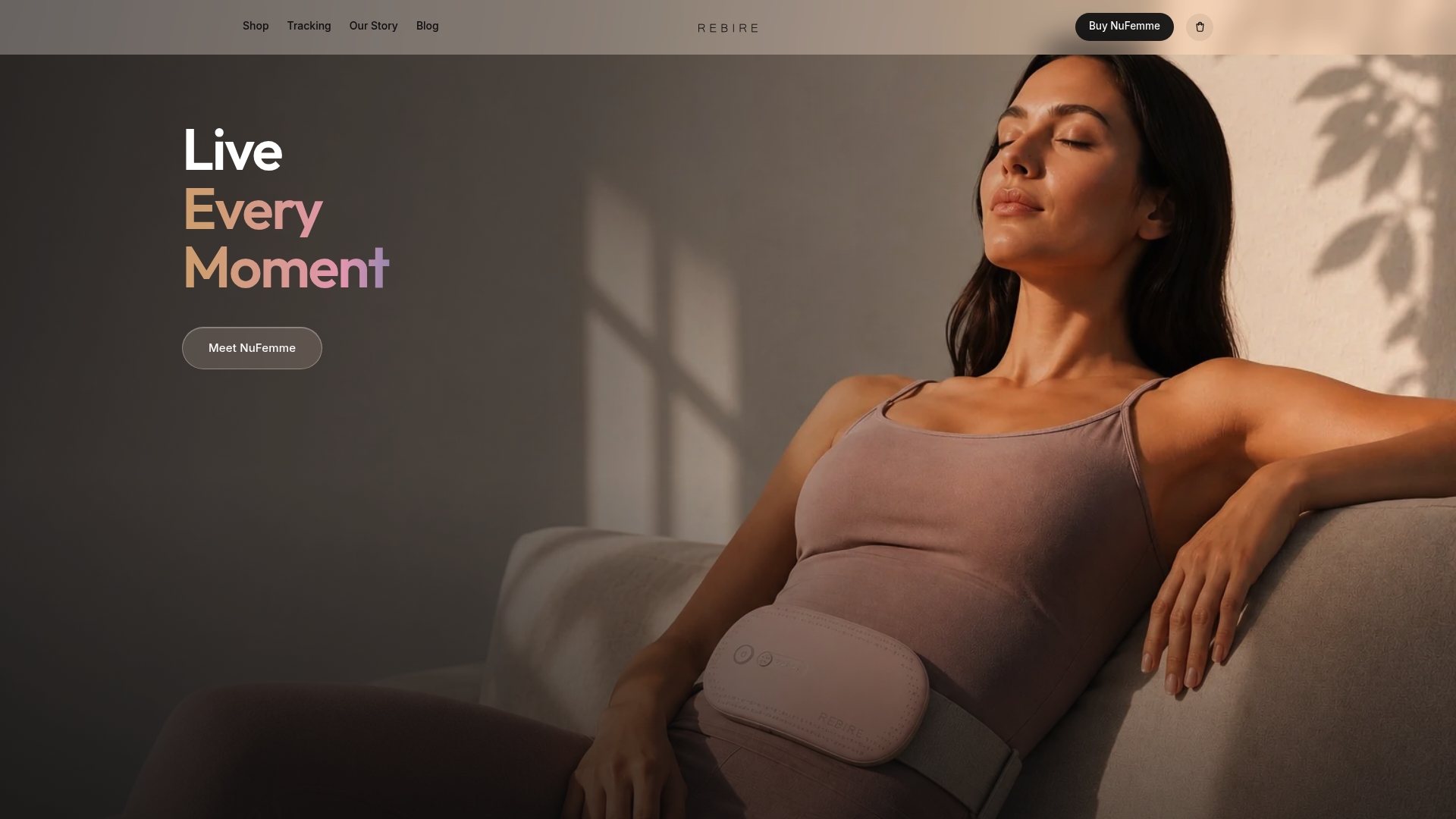
If you’ve gotten this far, you already know what matters for wearable cramp relief: cordless freedom, adjustable settings, and a fit that disappears under your clothes. NuFemme combines three heat levels and three massage speeds with red-light therapy in a single cordless belt, so you’re not choosing between warmth and massage, you get both in one wear.
- Workday relief: charge it the night before, preset your levels, and wear it through meetings or your commute without anyone noticing.
- Gift buyers: It can work as a thoughtful gift from a partner who’s noticed what someone handles every month, not a last-minute drugstore grab.
- Self-care purchasers: three heat and massage combinations mean you can tailor the session to how you feel that day, whether you’re at a desk or just need ten quiet minutes.
Explore the NuFemme product page for full specs and pricing, or check out our workday relief guide for more on wearing it discreetly through a full shift.
This article is general information, not a substitute for advice from a qualified doctor. Consult a qualified healthcare professional about your own circumstances before acting on anything here.
FAQ
What does a cramp belt do?
A cramp belt applies heat, and often gentle massage, directly to the muscles involved in menstrual cramps, which helps them relax and reduces the sensation of pain. A 2026 systematic review found heat therapy reduced menstrual pain compared with no treatment and performed comparably to NSAIDs in several trials.
What drink makes cramps go away?
No authoritative source confirms that a single drink reliably eliminates cramps. Some people find mild comfort from warm herbal teas traditionally used for menstrual discomfort, and TeaBenefit’s guide to herbal teas for cramps covers preparation methods and traditional uses, though heat therapy and NSAIDs have stronger evidence behind them.
Why doesn’t Tylenol work for cramps?
Menstrual cramps are driven largely by prostaglandins, compounds that trigger uterine contractions, and ACOG notes that NSAIDs target that mechanism directly. Acetaminophen (Tylenol) works through a different pathway and generally offers less targeted relief for prostaglandin-driven cramping.
What fruit takes away cramps?
No fruit has reliable evidence showing it stops menstrual cramps on its own. Mayo Clinic points to heat, exercise, and NSAIDs as the better-supported home measures, while diet can play a supporting role in overall comfort.
Sources
- Heat therapy for primary dysmenorrhea: a systematic review and meta-analysis - PubMed
- Heating pad for cramps - Healthline
- Dysmenorrhea: Painful Periods - ACOG