

Every good period care package covers five bases: absorbency, hygiene and cleanup, comfort and pain relief, small extras that feel like a pick me up, and packaging that keeps everything private. Exact quantities shift depending on who you’re packing for. A first period kit for a tween needs less than a travel bag built for a heavy flow week. The details below walk through each category so you can build a kit that actually fits the person receiving it.
TL;DR:
- A period kit should include a variety of absorbent products tailored to flow and activity, such as pads, tampons, cups, or period underwear, with attention to brand-specific absorbency levels.
- Hygiene items like fragrance-free wipes, hand sanitizer, resealable disposal bags, and stain removal tools are essential for discreet and sanitary changes away from home.
- Comfort essentials, including heat patches, OTC pain relievers, or wearable devices like NuFemme, are crucial for effective pain relief and mobility during cramps.
- Personalized touches like snacks, tea, lip balm, or cozy socks can enhance the recipient’s experience, especially if snacks are sealed and non-perishable for long storage.
- Proper packaging in waterproof pouches with clear categories and simple instructions ensures ease of use, restocking, and sensitive delivery, especially for first-time users.
Table of Contents
- What Goes Into a Period Care Package: Choosing the Right Menstrual Products
- Hygiene and Cleanup Items That Make Changes Easier Away From Home
- Comfort and Pain Relief: Heat, Medication, and Wearable Options
- Snacks, Small Comforts, and Extras That Make a Kit Feel Personal
- How to Package and Personalize a Period Care Package
- Packing a Period Kit for School, Work, and Travel
- Restocking and Maintaining a Period Kit Month to Month
- What Actually Matters When You’re Building Someone Else’s Kit
- Give a Gift That Actually Understands What She Goes Through
- Sources
What Goes Into a Period Care Package: Choosing the Right Menstrual Products
The core of any period care package is the absorbent product itself, and the right pick depends on flow, activity level, and personal preference. Pads work for beginners and anyone who prefers not to insert anything. Tampons suit swimmers and gym-goers. Pantyliners handle light days or backup duty under a cup. Menstrual cups and discs last up to 12 hours and cut down on how often someone needs to think about their period at all. Period underwear works well as backup protection or as the entire solution for lighter flow days.
A well-built kit covers absorbency, comfort, and cleanup as its three anchor categories, and the product mix should reflect that from the start. For a small everyday kit, pack a few pads or tampons plus a liner. A desk or locker kit can hold enough products for about a week in mixed absorbencies. A travel kit needs the most padding, since access to stores is not always guaranteed.
- Small kit (purse or backpack): 2 pads or tampons, 1 liner
- Desk or locker kit: 5 to 7 products, mixed absorbency (light, regular, super)
- Travel kit: 8 to 10 products, plus 1 to 2 backup items like a cup or period underwear
- Reusable option: one menstrual cup or two pairs of period underwear, washed between cycles
Absorbency labels matter more than most people realize. “Regular” from one brand can absorb noticeably less than “regular” from another, so if you’re packing for someone else, check what they already use before substituting a new brand into their kit.
Hygiene and Cleanup Items That Make Changes Easier Away From Home
Fragrance-free, pH-balanced wipes belong in every kit because scented wipes can irritate sensitive skin during a time when the body is already inflamed. Pack 3 to 5 individually wrapped wipes so they stay sanitary until used. Saalt’s kit guide recommends fragrance-free, individually wrapped wipes paired with a small hand sanitizer for on-the-go changes, and that combination covers most situations without adding bulk.
A resealable bag or small wet bag solves the awkward question of what to do with a used product or soiled underwear when there’s no discreet trash can nearby. Two or three small resealable bags cost almost nothing and prevent an uncomfortable moment from turning into a stressful one.
- 3 to 5 individually wrapped, fragrance-free wipes
- Travel-size hand sanitizer (1 to 2 ounces)
- 2 to 3 small resealable bags for disposal or soiled items
- A dedicated wet bag if the kit includes reusable underwear or a cup
- A small stain-removal pen or a mini spray bottle of diluted hydrogen peroxide for emergency leaks
That stain pen earns its spot. Blood sets fast in fabric, and a cold-water rinse followed by a quick dab of peroxide can save a favorite pair of pants when there’s no time to change clothes entirely.
Comfort and Pain Relief: Heat, Medication, and Wearable Options
Cramps respond well to heat, and comfort aids like heat patches and OTC pain relievers show up in nearly every period kit guide for good reason: heat reliably reduces cramp intensity for a large share of people. Disposable heat patches stick to clothing and last several hours, making them the easiest low-cost option for a school or work kit. Microwavable rice packs work at home but obviously don’t travel. Portable electric or wearable heat devices split the difference: no cord, no waiting, and heat that moves with the person wearing it.
If you’re including over-the-counter pain relievers like ibuprofen or acetaminophen, keep them in their original labeled packaging so dosing instructions stay visible, and note that anyone with existing health conditions should check with a pharmacist or doctor before combining medications. Never repackage pills into an unlabeled pouch.
- Disposable heat patches (2 to 3 per kit)
- Small tube of OTC pain reliever in original packaging (if used)
- A drug-free relief option for anyone who prefers to skip medication
- A wearable heat and massage device for repeat, cord-free relief
This is where NuFemme fits naturally into a gift-focused kit. It’s a cordless wearable that combines heat therapy, vibration massage, and red-light therapy in one belt, with three heat levels and three massage speeds so the wearer can adjust it through a desk shift or a long commute. Many users report reduced pain within 15 minutes of use, which puts it well ahead of “wait it out” as a strategy. Because it works underclothing with no cord, it solves the exact problem a heating pad can’t: staying effective while someone keeps moving through their day.
Pro Tip: If you’re building a kit for a partner or daughter, pair a heat patch for immediate, low-cost relief with a wearable device for repeat use. Cheap and premium options don’t compete. They cover different moments.
Snacks, Small Comforts, and Extras That Make a Kit Feel Personal
Cravings during a period are real, and nonperishable snacks give the recipient something to reach for without needing a trip to the vending machine. Dark chocolate, granola bars, and ginger candy all travel well and don’t require refrigeration. Ginger in particular has a long history as a stomach settler, which makes it a smart addition alongside cramp relief items.
Tea sachets are another easy win, especially chamomile or ginger blends that pair naturally with the comfort theme of the whole package. A small tube of lip balm, a sheet mask, or a pair of cozy socks round out the kit without adding real weight or cost.
- Dark chocolate squares or a small bar
- Granola bars or another shelf-stable snack
- Ginger candy or ginger tea sachets
- Lip balm and one sheet mask
- A pair of soft socks
Skip anything perishable, like fresh fruit or dairy-based snacks, since kits often sit unused for days or weeks between cycles. Seal snacks in their own small pouch inside the kit so wrappers don’t get crushed against sharper items like a stain pen or product wrappers.
How to Package and Personalize a Period Care Package
Presentation changes how a kit feels to receive. A Saalt style approach treats the pouch itself as part of the gift, not just a container, and a waterproof zip pouch with two or three inner compartments keeps absorbency items separate from snacks and cleanup supplies.
- Choose a waterproof pouch with a zip closure, ideally with at least two compartments.
- Group items by category inside: absorbency in one section, hygiene and comfort in another.
- Write a short note if the kit is for someone experiencing their first period, or a first period care package specifically. Keep it simple and reassuring: what to expect, how to use a pad or liner, and a reminder that periods are normal.
- For a wearable device or any gadget, include the charger and a one-page quick-start card so nothing gets left out of the box.
- Wrap the outer pouch simply, or tuck it into a tote bag with a small card, rather than heavy gift wrap that draws attention.
Simple, reassuring language on that note matters more than people expect. Guidance on first period kits consistently points to plain instructions and a calm tone as the difference between a kit that reduces anxiety and one that just adds more unfamiliar objects to figure out.
Packing a Period Kit for School, Work, and Travel
Where the kit will live changes what belongs inside it. A school kit needs to be compact enough for a backpack pocket, while a desk kit can afford more volume since it stays in one place for weeks at a time.
- School: 2 to 3 pads or tampons, one liner, one to two wipes, a resealable bag, and a spare pair of underwear, matching the simple structure recommended for first kits
- Work: 5 to 7 products in mixed absorbency, one heat patch, hand sanitizer, and OTC pain relief in original packaging
- Travel: 8 to 10 products or a menstrual cup, a waterproof case, a wet bag for reusables, and enough supply to cover a multi-day trip without relying on finding a store
- Overnight stays: add one extra liner for nighttime leaks and a spare pair of underwear regardless of which kit type it’s paired with
Travel kits deserve the most redundancy since flow can shift unpredictably with schedule changes, altitude, or stress, and running out mid-trip is a much bigger problem than running out at home.
Restocking and Maintaining a Period Kit Month to Month
A kit only works if it’s actually stocked when needed, so build a quick monthly check into the routine. Look at product counts, confirm pain relief and wipes haven’t run low, and swap in fresh snacks if anything has gone stale.
- Recount pads, tampons, or liners and top off anything under the baseline number
- Check that OTC medication hasn’t expired and repackage nothing outside its original labeling
- Wash reusable period underwear after each use and let it air dry fully before restocking
- Sterilize a menstrual cup between cycles using the method on its packaging
- Replace disposable wipes and sanitizer if the seal looks compromised or the scent has changed
Set a phone reminder for the same day each month. It takes less than five minutes and means the kit is never the reason someone gets caught off guard.
What Actually Matters When You’re Building Someone Else’s Kit
The best period care packages I’ve seen get one thing right that has nothing to do with the products inside them: they respect that this is a private topic, and they don’t make a big production out of it. A recipient wants to feel cared for, not put on display. That means a short note beats a long speech, and a kit that’s easy to restock beats one that’s beautiful but impractical to actually use.
Simplicity and clear instruction matter most for first period kits specifically, since anxiety drops fast once a tween understands there’s nothing mysterious about what’s happening. For adults, the calculation shifts slightly. What earns real gratitude is proof that someone paid attention to specifics: their preferred product, their usual pain relief routine, the fact that they mentioned cramps last month and someone remembered.
Don’t overthink the personalization. One thoughtful detail says more than five generic ones.
— Lavinia
Give a Gift That Actually Understands What She Goes Through
Most period care packages solve for convenience. NuFemme solves for the fifteen minutes that actually hurt. It’s a cordless wearable belt that combines heat therapy, vibration massage, and red-light therapy, with three heat levels and three massage speeds so she can adjust it at her desk, on a run of errands, or curled up at home.
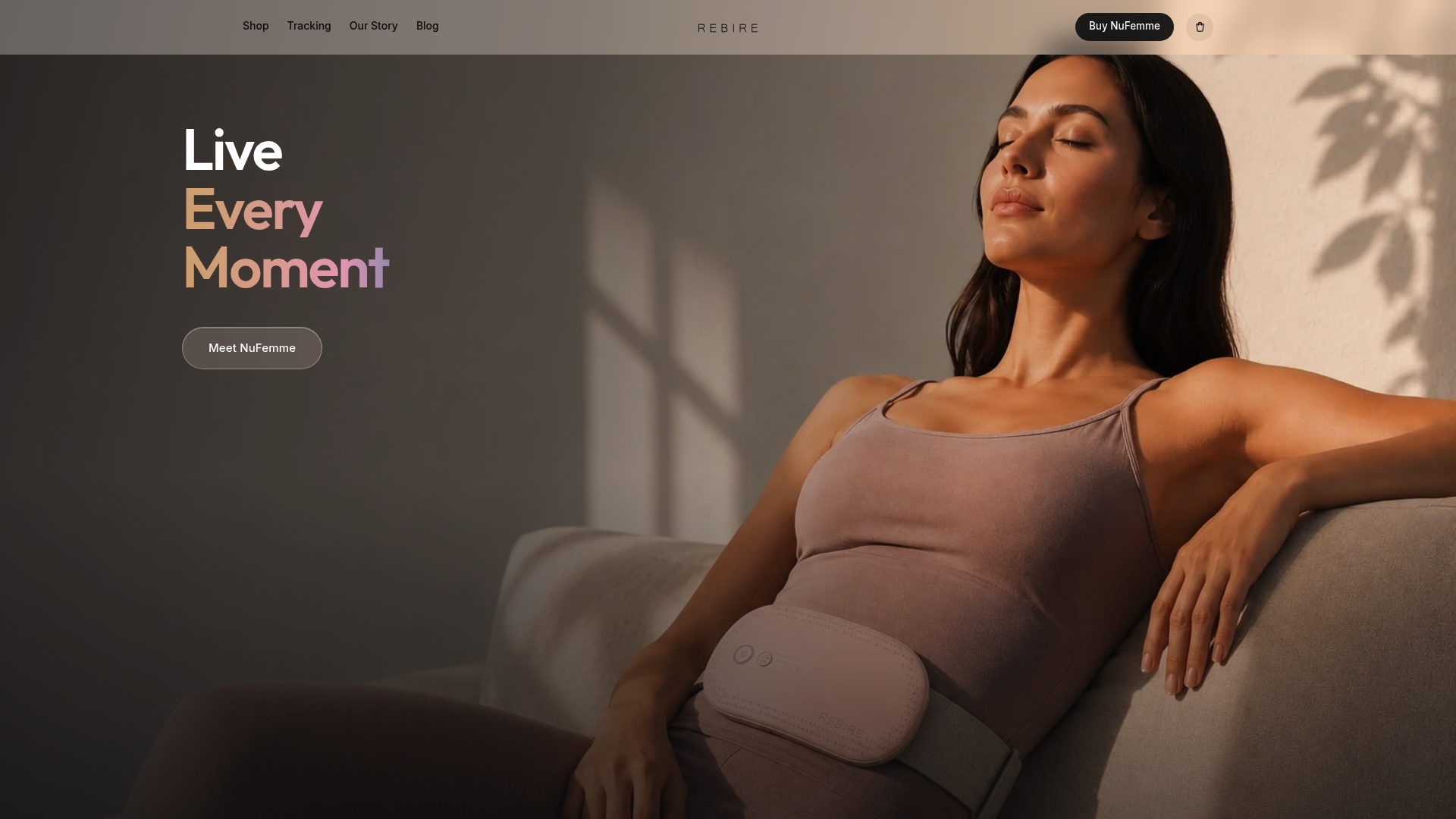
It reads as a considered gift rather than a last-minute drugstore grab, and it drops into a care package far more easily than a corded heating pad ever could. If you’re assembling a kit for a partner, tuck in the charger and the quick-start card alongside a short note, so the whole gift feels ready to use the moment she opens it. For anyone building a kit for themselves, it earns a permanent spot next to the pain relievers and the tea sachets. Check availability and current features on the NuFemme product page before you finish packing, or browse the full period cramp solution lineup if you want to compare heat and massage settings side by side.
Sources
What to Put in a Period Kit: List + Pre-Built Kits | Saalt What to put in your daughter’s first period kit | Luna What Should You Pack in a Period Care Kit? | PeriodlyWise Blog The Ultimate Checklist: What to Put in a Period Kit | RubyLove Fast, Natural Ways to Relieve Period Cramps | Florva Health