

Yes, cramps on birth control are common, especially in the first few months of starting or switching methods, and they’re usually a sign your body is adjusting rather than a red flag. Most cases ease within three to six months as hormone levels settle. In the meantime, an NSAID like ibuprofen and a heat source can take the edge off. If pain is severe, sudden, or paired with fever or fainting, get checked promptly as these may indicate serious conditions.
TL;DR:
- Most cramps on birth control occur within the first three to six months of starting or switching methods and typically improve as hormone levels stabilize.
- Missed or late doses can trigger breakthrough bleeding and increased cramping, which often resolves once doses are consistent.
- Non-hormonal conditions like endometriosis or fibroids can cause cramps unrelated to contraception, requiring separate medical evaluation.
- NSAIDs, heat, and gentle movement are effective home remedies for managing cramps, with wearable heat-and-massage devices offering portable relief.
- Red flags such as severe pain, fever, or fainting require prompt medical attention to rule out serious conditions like ectopic pregnancy or ovarian cyst rupture.
Table of Contents
- Why You Still Get Cramps on Hormonal Birth Control
- The Simple Science Behind Birth Control and Cramps
- What Actually Helps Right Now
- Red Flags That Mean It’s Time to See a Clinician
- Talking to Your Clinician About Switching Methods
- What Our Data Shows About On-the-Go Relief
- An Editorial Note on Managing Cramps Well
- A Drug-Free Option Worth Considering for Fast Relief
- Sources
Why You Still Get Cramps on Hormonal Birth Control
Starting a new pill, patch, or ring doesn’t switch off cramps like a light switch. Your body needs time to recalibrate, and that adjustment window is the biggest reason cramps show up even when your contraception is working exactly as intended.
A few patterns explain most of what you’re feeling:
- The adjustment period. Cramping and breakthrough bleeding are common in the first three to six months after starting or switching hormonal birth control, and they typically fade as your body adapts.
- Missed or late doses. Skipping a pill or taking it hours off schedule can trigger breakthrough bleeding, which often comes with cramping.
- Something unrelated to the pill. Endometriosis, fibroids, pelvic inflammatory disease, and ovarian cysts can all cause cramps that have nothing to do with your contraception, but happen to overlap with it.
- Copper IUD confusion. If you’re using a copper IUD rather than a hormonal method, know that this nonhormonal option can actually worsen cramping initially, which is a different mechanism entirely from pill-related cramps.
Sorting out which category you fall into is the first real step toward fixing it.
The Simple Science Behind Birth Control and Cramps
Cramps happen when your uterus contracts, and those contractions are driven largely by prostaglandins, hormone-like compounds your body produces during your period. Heavier bleeding tends to mean more prostaglandins and more pain. That’s actually the logic behind why hormonal birth control often reduces cramps over time: thinner uterine lining generally means lighter flow and less prostaglandin activity.
But getting there isn’t always linear. Switching formulations, working through a triphasic pack with shifting hormone doses, or moving through the placebo week can all cause temporary symptom flares that feel like setbacks. Consistent pill timing reduces the hormone fluctuations that often trigger these episodes. Give your system a few months before deciding whether a method is or isn’t working for you.
What Actually Helps Right Now
You don’t have to white-knuckle through cramps while you wait out the adjustment period. A few options are backed by real evidence and worth reaching for first.
- NSAIDs. Ibuprofen and naproxen work by lowering prostaglandin production, which makes them the most consistently effective OTC class for period-type pain. Acetaminophen is a reasonable alternative if NSAIDs aren’t a fit for you, but check with your clinician about interactions with your specific pill.
- Heat. A heating pad or wearable heat source relaxes the uterine muscle and improves blood flow, and it pairs well with a warm bath when you have the time.
- Movement. Gentle exercise, walking, stretching, or yoga, increases circulation and can genuinely ease cramp intensity, even though lying still feels more intuitive in the moment.
- Wearable heat-and-massage devices. This category of drug-free tools combines heat with gentle vibration and sits discreetly under clothing, letting you manage symptoms without stepping away from your day.
Pro Tip: Keep a simple note on your phone of when cramps hit relative to your pill schedule. Patterns tied to missed doses or the placebo week point to adjustment; pain that shows up at random points in your cycle deserves a closer look.
Most of this is home care territory. If the pain isn’t responding to any of it, that’s your cue to escalate.
Red Flags That Mean It’s Time to See a Clinician
Most cramping on birth control is background noise your body works through. Some symptoms are not.
- Sudden, severe abdominal pain, fever, fainting, dizziness, or heavy bleeding call for immediate medical attention. These can signal an ectopic pregnancy, pelvic inflammatory disease, or a ruptured ovarian cyst.
- Pain that hasn’t improved after three months on a given method is worth investigating for endometriosis, fibroids, adenomyosis, or PID rather than chalking up to adjustment.
- A pattern that doesn’t match your pill schedule (constant pain unrelated to dosing or cycle phase) is useful information to bring to a clinician, since tracking symptoms against pill timing helps distinguish normal adjustment from something that needs treatment.
Talking to Your Clinician About Switching Methods
If cramps are still disrupting your life past the three to six month mark, a formulation change is often the next move, and showing up prepared makes that conversation far more productive.
Before your appointment, put together:
- A short symptom log noting when cramps occur and how severe they are
- Any missed or late doses over the past few cycles
- Other medications or supplements you’re taking
- Your prior gynecologic history, including any prior diagnoses
Clinicians typically have a few levers to pull. Switching from a triphasic pill to a monophasic formulation can smooth out hormone swings that were driving cycle-linked pain. A different progestin, a progestin-only pill, or a hormonal IUD are other common paths, each with its own tradeoffs around bleeding patterns and side effects. If continuous dosing to skip periods entirely is something you’re curious about, it’s worth raising directly with your provider. After any switch, plan to give the new method the same three to six month runway before judging whether it’s working.
What Our Data Shows About On-the-Go Relief
Not every cramp needs a prescription change, sometimes you just need relief that travels with you. NuFemme is a cordless wearable combining heat, vibration massage, and infrared light in one belt worn discreetly under clothing, with three heat levels and three massage speeds so you can dial it to what your body needs that day.
93% of NuFemme users reported reduced pain within 15 minutes of use, according to Rebire’s own user-reported data.
That’s a brand-reported outcome, not a clinical trial, and it’s meant for symptom relief, not diagnosis. Slip it on at your desk, during errands, or before a meeting, and let it work in the background while you keep moving.
An Editorial Note on Managing Cramps Well
The instinct to treat birth control cramps as something to just push through is worth resisting. Tracking symptoms and pairing that log with a clinician conversation gets you a real answer faster than guessing ever will. Trying safe relief methods in the meantime isn’t settling, it’s reasonable self-care while your body does its adjusting. Watch for the red flags, but don’t treat every twinge as an emergency either.
— Lavinia
A Drug-Free Option Worth Considering for Fast Relief
If you’re leaning on heat and NSAIDs already, NuFemme gives you a portable version of that same relief instead of being tied to an outlet or a microwaveable pad. It combines heat, massage, and infrared therapy in one cordless belt you wear under your clothes, and it’s finished in Rose Gold or Ivory, which makes it double as a genuinely thoughtful gift rather than a last-minute drugstore grab.
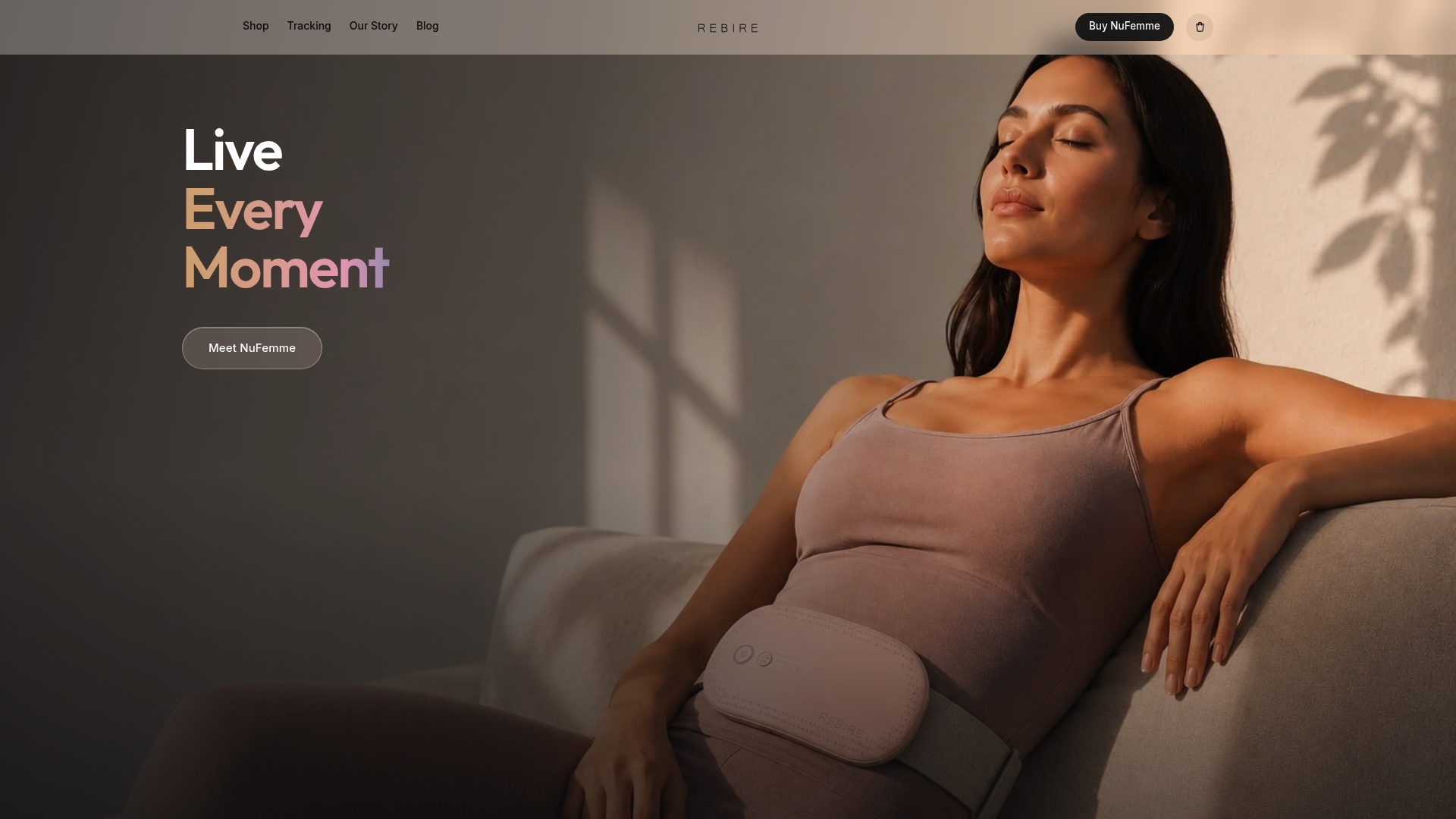
It suits anyone managing cramps on birth control who wants non-drug relief they can use at a desk, in transit, or anywhere a heating pad isn’t practical, and it works just as well as a self-care pickup for yourself. Three heat levels and three massage speeds mean you can adjust intensity through the day rather than settling for one fixed setting. This is symptomatic relief, not a diagnostic tool, so pair it with the clinician conversations above if pain persists. If you want to see the settings and specs for yourself, the NuFemme product page walks through the full device, or check out the workday relief option built specifically for discreet daytime use.
Sources
For deeper detail, the StatPearls overview of oral contraceptive pills covers formulations and contraindications clinicians screen for. Mayo Clinic’s drug information page details missed-dose instructions, and Planned Parenthood’s patient guidance answers common pain-relief questions directly.
This article is general information, not a substitute for advice from a qualified doctor. Consult a qualified healthcare professional about your own circumstances before acting on anything here.
- Cramps on birth control: Causes and treatment — Medical News Today
- Cramps on birth control: Causes, home remedies, and severe symptoms — Healthline
- Planned Parenthood patient guidance — Can I take Tylenol/OTC pain relief while on the pill?
- Ethinyl estradiol and norgestimate oral route — Mayo Clinic