

Wearable heat belts tend to win for everyday cramp relief because they deliver steady, hands-free heat wherever you are, at work, running errands, or curled up on the couch. Traditional heating pads still do a great job when you can rest at home near an outlet. The right pick depends on your day more than your symptoms, and both are backed by solid evidence for easing menstrual pain. Keep reading for how to use heat safely, what to look for when buying, and a little smart gifting tips.
TL;DR:
- Wearable heat belts are more portable and suitable for active days, while traditional heating pads are ideal for stationary use at home.
- Both devices should have adjustable temperature, safety features like auto-shutoff, and proper maintenance, but belts require charging and pads need outlets.
- Moderate surface temperatures between 104 to 113°F are most effective, with short, repeated sessions positioned on the lower abdomen for maximum relief.
- Heat therapy significantly reduces menstrual pain within 24 hours and is safer with fewer side effects than NSAIDs when used properly.
- Investing in a cordless wearable like NuFemme offers ongoing relief for active individuals and makes a thoughtful gift for those with recurrent cramps.
Table of Contents
- How wearable heat belts and traditional heating pads differ in practice
- How to use heat effectively for cramps: settings, session length, and positioning
- Safety tips, device features to prefer, and red flags that need medical attention
- How to choose and gift a heat solution for cramps
- Why I recommend a wearable for many people
- NuFemme: a cordless wearable option for people who want a premium, thoughtful gift
- FAQ
- Sources
How wearable heat belts and traditional heating pads differ in practice
Both tools work the same basic way: warmth increases blood flow to the pelvis and eases the uterine contractions that cause cramping. How you receive that warmth is where the two part ways.
A heating pad plugs into the wall and stays put. That makes it reliable for an evening on the couch, but it ties you to one spot and one position. A wearable heat belt runs on a rechargeable battery and straps or tucks under your clothes, so the heat moves with you through a workday, a commute, or a grocery run.
- Heating pads usually offer conductive heat only, warmth from a heating element pressed against skin.
- Many wearable belts add vibration massage or infrared (red-light) therapy alongside heat, targeting cramps from more than one angle.
- Pads need an outlet and a cord, which limits where and how long you can comfortably use one.
- Belts need charging between uses, and battery life varies by brand and heat setting.
- Safety features like auto-shutoff and set temperature limits matter for both, but a wearable’s compact design means temperature regulation is especially important to check before buying.
Cost works differently too. A heating pad is usually a one-time purchase with no ongoing expense beyond electricity. A wearable belt costs more upfront but needs no consumables, just regular charging and basic care.
Pro Tip: If you spend most of your cycle at a desk or on your feet, prioritize a cordless option. If you’re mostly resting at home, a heating pad’s lower price and simplicity may suit you just fine.
How to use heat effectively for cramps: settings, session length, and positioning
Getting the most out of heat therapy comes down to temperature, timing, and placement.
- Aim for a moderate, superficial heat range. Clinical trials on heat therapy for menstrual pain typically use surface temperatures in the ballpark of 104 to 113°F (roughly 40 to 45°C), warm enough to ease cramping without risking skin damage.
- Keep sessions focused but not nonstop. Short, repeated sessions of gentle heat throughout the day tend to work as well as one long sitting, especially with a wearable you can turn on and off as needed.
- Place it low. The lower abdomen, just below the navel, is the primary target; some people also find relief adding heat to the lower back.
- Layer it under normal clothing. A slim wearable belt sits discreetly under a shirt or leggings, so you can keep heat going through a meeting without anyone noticing.
- Pair heat with other basics. Light movement, hydration, and an over-the-counter pain reliever when needed can work alongside heat rather than replacing it.
- Preserve battery life. Lower heat settings and shorter massage cycles stretch a wearable’s charge across a longer day.
Safety tips, device features to prefer, and red flags that need medical attention
Heat therapy is one of the safer self-care tools for cramps, but misuse can cause real harm. Always follow the manufacturer’s guidance on temperature and timer settings, and never fall asleep with a heating pad set to high.
- Choose devices with built-in temperature regulation and an automatic shutoff, both reduce the risk of burns during extended use.
- Look for a washable cover or surface, since heat and skin contact over hours of use invites sweat and buildup.
- Read the instructions before first use, especially around maximum session length and whether the device is rated for all-night use.
- Stop and seek medical care if you notice fever, fainting, unusually heavy bleeding, or pain that feels far worse or different than your usual cramps.
NHS guidance lists heat as a validated self-care measure for period pain while flagging those same red flags as reasons to see a doctor rather than rely on heat alone. A 2026 systematic review and meta-analysis of 57 randomized controlled trials found heat therapy significantly reduced pain intensity within 24 hours and carried a lower risk of adverse effects than NSAIDs, which makes it a reasonable first choice for many people before reaching for medication, though it works best as one part of a broader drug-free approach to period pain.
How to choose and gift a heat solution for cramps
Whether you’re buying for yourself or for someone else, a short checklist makes the decision easier.
- Cordless or corded: cordless suits anyone who’s active or away from home for long stretches; corded suits mostly at-home use.
- Heat levels: multiple settings let the user match intensity to how bad the cramps are that day.
- Added therapies: massage and infrared can add relief beyond plain heat, especially for cramps that radiate to the back.
- Battery life and charging: check how long a full charge lasts and how quickly it recharges.
- Washability and materials: a removable, washable cover matters for long-term comfort and hygiene.
- Warranty: a solid warranty signals a brand stands behind build quality.
If you’re shopping for a partner, start with one question: does she spend most of her cycle at work and on the move, or mostly resting at home? That answer points you straight to a wearable or a traditional pad. Discretion matters too. A belt worn under clothing lets her manage cramps without anyone else noticing, which some people genuinely prefer over an obvious heating pad on a couch.
A higher price on a wearable tends to pay off for anyone with cramps every single cycle, since the cost spreads across months and years of use rather than one bad week.
Pro Tip: Pair a heat device with a short handwritten note and a guide to natural cramp relief for a gift that reads as thoughtful rather than last-minute.

Why I recommend a wearable for many people
My honest read, after looking at how cramps actually disrupt a normal day, is that a wearable belt earns its keep for anyone who can’t just stop and lie down. A heating pad is wonderful for a quiet evening, but it can’t come with you to a 9 AM meeting or a long commute. The difference shows up less in the science and more in the hours you spend upright, working, and needing relief that doesn’t ask you to sit still.
— Lavinia
NuFemme: a cordless wearable option for people who want a premium, thoughtful gift
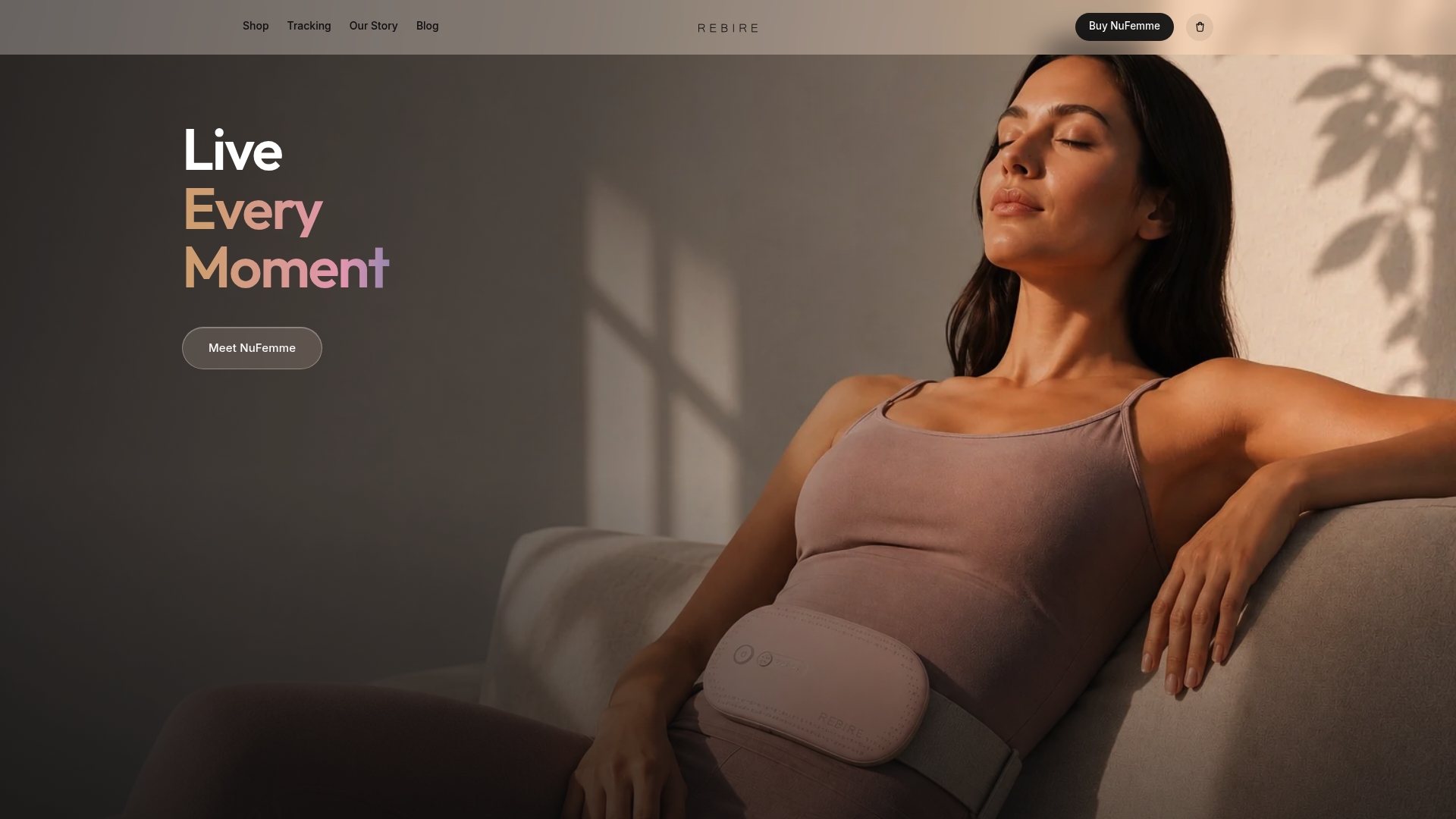
For readers who’ve decided a wearable fits their life better than a plug-in pad, our NuFemme belt combines heat, vibration massage, and red-light therapy in one cordless device you wear under your clothes. It offers three heat levels and three massage speeds, so comfort can be dialed in for a desk day or a flare-up at home.
- Cordless and rechargeable, so it moves with you through work, errands, or travel.
- Combines heat, massage, and infrared therapy rather than heat alone.
- Finished in Rose Gold or Ivory, built to feel like a genuine gift rather than a drugstore grab.
We’ve heard from users that it works fast: 93% reported reduced pain within 15 minutes. It fits frequent commuters, active people, and anyone shopping for a partner who deserves something more considered than a last-minute pickup. Check out NuFemme for $338 and see if it’s the right fit for her cycle.
This article is general information, not a substitute for advice from a qualified doctor. Consult a qualified healthcare professional about your own circumstances before acting on anything here.

FAQ
Is a heat belt better than a heating pad for period cramps?
A heat belt tends to work better for anyone who needs relief while active, since it’s cordless and hands-free. A heating pad works just as well when you can rest at home, so the better choice depends on your schedule more than the science.
What temperature should a heating pad be for cramps?
Research on heat therapy for menstrual pain generally uses a moderate, superficial heat range around 104 to 113°F, warm enough to ease cramping without risking burns. Always follow your specific device’s recommended settings rather than guessing.
Does heat therapy actually reduce period pain?
Yes. A 2026 systematic review and meta-analysis of 57 randomized controlled trials found heat therapy significantly reduced pain intensity for primary dysmenorrhea, with effects comparable to NSAIDs and a lower risk of side effects.
Can you sleep with a heating pad or heat belt on all night?
Most manufacturers advise against all-night use at high settings because of burn risk, so check your specific device’s timer and temperature guidance before relying on it overnight. If you need continuous overnight relief, look for a device with a built-in auto-shutoff.
When should period cramps be checked by a doctor?
NHS guidance and ACOG both recommend seeing a doctor if pain is unusually severe, comes with fever or fainting, or if bleeding is unusually heavy. Mild, typical cramps usually respond well to heat and other self-care measures.
Sources
- Heat therapy for primary dysmenorrhea: a systematic review and meta-analysis
- Dysmenorrhea: Painful Periods (ACOG)
- Period pain (NHS guidance)