

A cordless wearable that combines controlled heat, vibration, and red light delivers real, drug-free cramp relief for most people who use one consistently. Systematic reviews back heat therapy as an effective first-line option, and one wearable brand reports that 93% of users felt less pain within 15 minutes. The rest of this guide covers the evidence, how to use these devices safely, what to look for before you buy, and how to turn one into a gift that actually lands.
TL;DR:
- Heat therapy in wearable devices can reduce menstrual pain by improving circulation, with clinical studies showing significant pain relief within 24 hours.
- Combining heat, red light, and vibration targets multiple pain mechanisms, offering faster and more comprehensive relief than single therapies.
- Users report experiencing pain reduction within 15 minutes, especially when therapies are used preventively before pain peaks.
- Safety features like adjustable temperature controls and automatic shutoffs are essential to avoid burns and skin irritation during use.
- The NuFemme device exemplifies a discreet, rechargeable belt with multiple settings, designed for all-day wear and proven to help 93% of users feel less pain within 15 minutes.
Table of Contents
- How Heat, Red Light, and Vibration Ease Menstrual Cramps
- Does Research Support Heat, Light, and Massage for Period Pain?
- What Should You Look for in a Cordless Cramp-Relief Device?
- When and How Should You Use a Wearable for Fastest Relief?
- How Do You Turn a Wearable Into a Meaningful Gift?
- Why I Recommend Wearables as a First Step for Menstrual Care
- NuFemme: A Cordless Option Built Around the Research
- Primary Sources Cited
- Sources
- FAQ
How Heat, Red Light, and Vibration Ease Menstrual Cramps
Menstrual cramps happen because prostaglandins trigger uterine muscle contractions that temporarily cut off blood flow, starving tissue of oxygen. That oxygen debt is what produces the sharp, cyclical pain of dysmenorrhea. A cordless wearable attacks that cycle from three angles at once instead of just one.
- Heat widens blood vessels in the lower abdomen, restoring circulation and relaxing the muscle fibers that are cramping.
- Red and near-infrared light penetrates skin and soft tissue to calm nerve signaling and reduce local inflammation at the cellular level, a process called photobiomodulation.
- Vibration stimulates nerve fibers that compete with pain signals on their way to the brain, a mechanism known as gate-control theory, while also encouraging the body to release its own natural analgesics.
None of these therapies is new on its own. What changes the outcome is stacking them. Heat handles the circulation problem, light works on inflammation and nerve signaling, and vibration interrupts the pain-tension loop that keeps cramps feeling worse the longer they go untreated. Used early, before pain peaks, this combination can blunt an episode instead of just reacting to it once it’s already bad.
Does Research Support Heat, Light, and Massage for Period Pain?
The evidence is strongest for heat. A systematic review and meta-analysis on primary dysmenorrhea found that superficial heat therapy reduced pain intensity within 24 hours by a weighted mean difference of 3.52 cm on a pain scale, compared with no treatment at all. At the three-month mark, heat still outperformed no treatment by 1.85 cm. Compared with NSAIDs, heat produced similar short-term and three-month results, with fewer reported side effects in several trials.
A high percentage of users of this type of device report reduced pain within 15 minutes of starting a session. That kind of speed matters when cramps hit during a meeting or a commute, not just when you’re already home in bed.
Red-light therapy has a shorter track record but a plausible mechanism. A 2026 review on photobiomodulation and pain found consistent biological effects on inflammation and nerve activity, though the authors note that consumer devices still vary widely in dose and wavelength, so results aren’t as standardized as heat therapy’s. Massage and vibration have their own supporting data: a study on slow stroke back massage for primary dysmenorrhea recorded meaningful pain reductions tied to endorphin release and reduced inflammatory markers.
Safety limits matter here. Clinical guidance points to a superficial heat range of roughly 38 to 42°C (about 100 to 107°F) as effective without risking burns.
- Avoid applying heat to broken or irritated skin.
- Follow your device’s continuous-use limit, often 8 to 12 hours for low-level wearables.
- Talk to a doctor before regular use if you’re pregnant, postpartum, or managing a chronic pelvic condition.
What Should You Look for in a Cordless Cramp-Relief Device?
Picking the right device comes down to four priorities, in this order.
- Safety controls first. Look for adjustable heat levels within the 38 to 45°C range and an automatic shutoff. A device with no upper limit or shutoff is a device you shouldn’t trust against your skin for hours at a stretch.
- Therapy depth. Multiple heat levels and multiple vibration speeds let you match intensity to how bad the day actually is. If red light is included, check whether the maker states a wavelength. Vague marketing language without a number is a red flag.
- Everyday usability. Battery life, charge time, and how slim the unit sits under clothing all decide whether you’ll actually reach for it at your desk or save it for the couch. Washable fabric covers matter more than most buyers expect once a device has seen a few cycles.
- Purchase protection. A clear return window, a warranty, and published usage instructions with contraindications tell you a company stands behind its claims instead of just making them.
Pro Tip: Test any new wearable on a lower heat setting during your first session, even if you think you can handle more. It’s easier to raise the intensity than to recover from skin that’s been overheated.
For more on how wearable heat compares with a plug-in heating pad alternative, it’s worth reading about portability trade-offs before you commit to either style.
When and How Should You Use a Wearable for Fastest Relief?
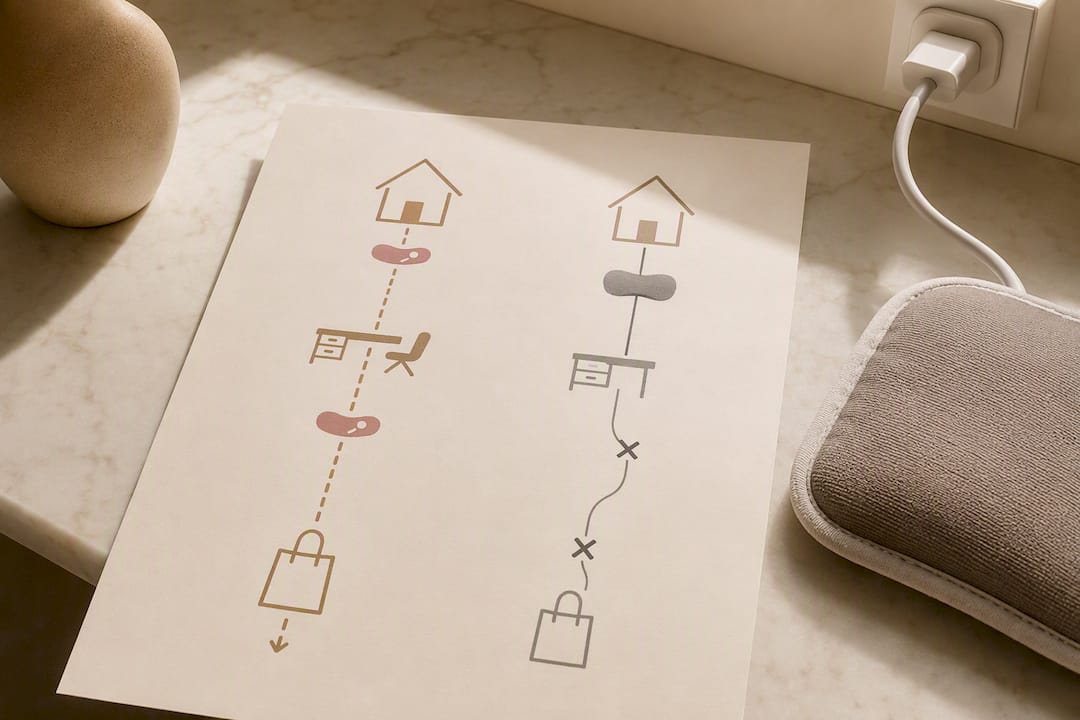
Timing changes the outcome more than most people expect. Applying heat and vibration preventively, in the first day or two of your cycle before pain peaks, tends to blunt the whole episode rather than just chase pain after it arrives.
- Start a session at the first twinge, not after cramps are already sharp.
- Position the belt across the lower abdomen for uterine cramps, or lower on the back for lumbar referred pain.
- Keep it snug enough to stay put but comfortable enough to forget you’re wearing it under a shirt.
- Run an initial session of 15 to 30 minutes, then repeat as needed through the day rather than leaving it on continuously.
- Stop immediately if you notice burning, redness, or dizziness, and check your best heat setting for cramps against your skin’s response.
| Situation | What to do |
|---|---|
| Cramps just starting | Begin session immediately at a low to medium heat setting |
| Known heavy cramp day ahead | Apply preventively the morning of, before pain builds |
| Sensitive or reactive skin | Start on the lowest heat level, shortest session length |
| Pregnant, postpartum, or chronic pelvic condition | Check with a doctor before regular use |
How Do You Turn a Wearable Into a Meaningful Gift?
A wearable cramp-relief device works as a gift precisely because it doesn’t feel transactional the way a drugstore bottle of pain relievers does. It says someone paid attention to what she actually goes through every month, not just that she mentioned cramps once.
- Choose a finish that feels personal rather than clinical. Options like Rose Gold or Ivory read as a considered gift, not a medical purchase.
- Include a short note explaining how to use it, and suggest trying it once before her next cycle so it’s familiar when she actually needs it.
- Mention the return or exchange policy on the card or gift tag, in case fit or feel isn’t quite right.
- Time the purchase a week or two ahead of her next expected cycle so battery charging and a trial run don’t cut into when she’d actually use it.
- Consider pairing it with something small and comforting, like tea or a heating relief patch, without turning the gift into a bigger production than it needs to be.
A mother-daughter gift set built around this idea works especially well for a first-time gift, since it frames the device as ongoing support rather than a one-time purchase.
Why I Recommend Wearables as a First Step for Menstrual Care
Portable, evidence-backed relief matters because pain doesn’t wait for a good moment. What convinces me about this category isn’t novelty. It’s that heat therapy already had solid research behind it before wearables existed, and combining it with light and vibration addresses more of the pain cycle at once. Reported outcomes like relief within 15 minutes back that up. A tested option, worn under clothing, beats a heating pad you can only use at home.
— Lavinia
NuFemme: A Cordless Option Built Around the Research
If the case for heat, light, and vibration convinced you, NuFemme is Rebire’s answer to putting that combination somewhere you can actually wear it. It’s a cordless belt that pairs controlled heat with massage and red-light therapy, built to sit discreetly under clothing through a full workday, a commute, or a quiet evening at home.
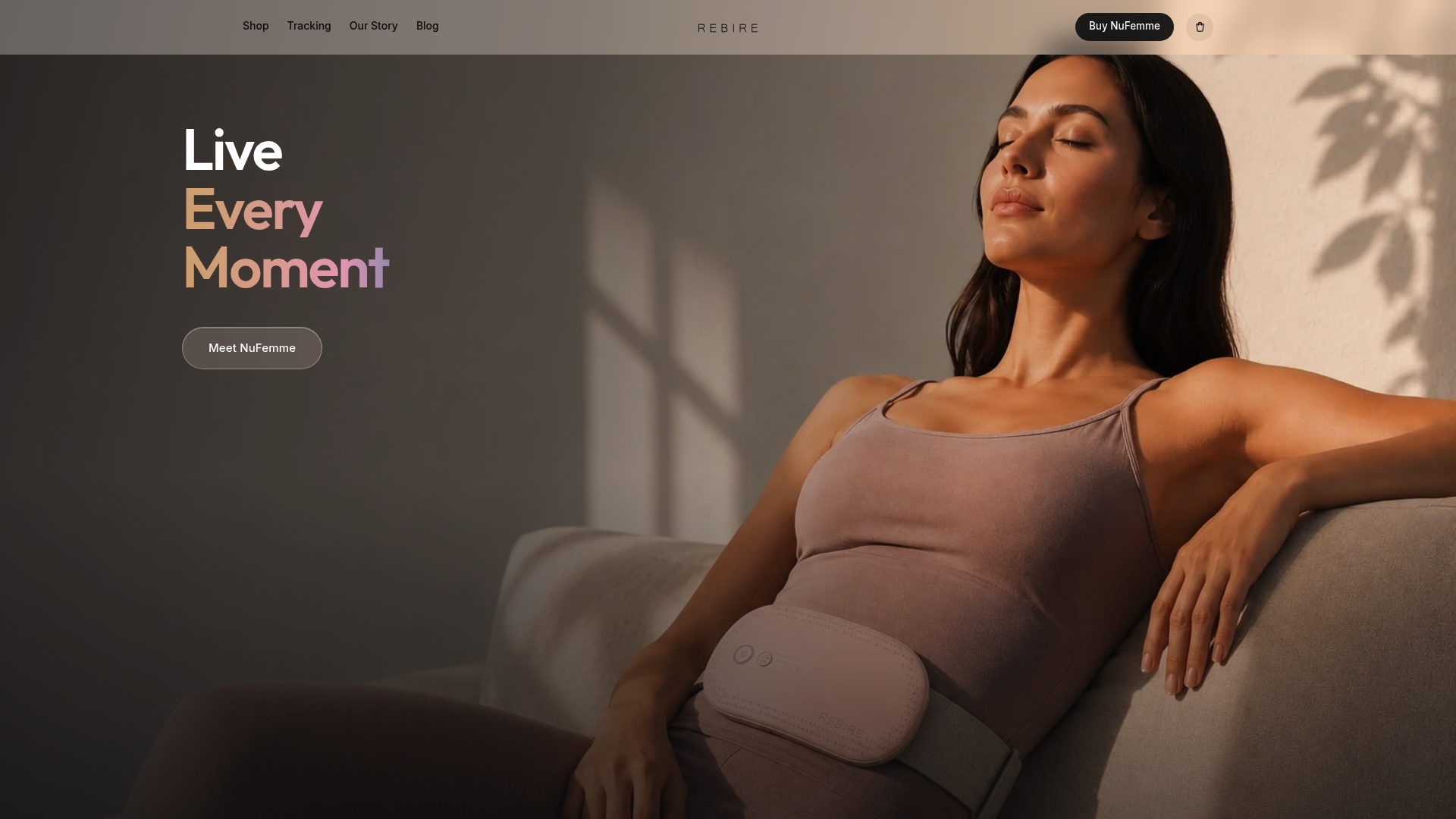
The device offers three heat levels and three massage speeds, so intensity can match how the day is actually going rather than a single fixed setting. It runs on a rechargeable battery, needs no cord, and comes finished in Rose Gold or Ivory for anyone buying it as a gift rather than a medical supply. Client-reported data shows 93% of users felt reduced pain within 15 minutes of starting a session.
For anyone who wants relief that keeps up during a workday, the NuFemme Workday Relief page walks through discreet, on-the-go use. Ready to see it for yourself? Visit the NuFemme product page to check current availability, finishes, and return policy before your next cycle arrives.
Primary Sources Cited
- Heat therapy for primary dysmenorrhea: a systematic review and meta-analysis
- Superficial heat therapy in women’s health (Frontiers in Medicine, 2026)
- Photobiomodulation and pain reduction (Frontiers, 2026)
- Slow stroke back massage and primary dysmenorrhea (IJWHR)
This article is general information, not a substitute for advice from a qualified doctor. Consult a qualified healthcare professional about your own circumstances before acting on anything here.
Sources
- Heat therapy for primary dysmenorrhea: a systematic review and meta-analysis - PMC
- Superficial heat therapy in women’s health (Frontiers in Medicine, 2026)
- Photobiomodulation and pain reduction (Frontiers integrative neuroscience, 2026)
- The Effect of Slow Stroke Back Massage on Primary Dysmenorrhea (IJWHR)
FAQ
Is Heat Therapy as Effective as Ibuprofen for Cramps?
Research shows heat therapy produces similar short-term and three-month pain relief compared with NSAIDs, with fewer reported side effects in several trials, according to a systematic review.
What Temperature Should a Wearable Cramp Device Reach?
Clinical guidance recommends a superficial heat range of roughly 38 to 42°C (100 to 107°F), which relieves pain without risking skin burns.
Can You Use a Heat and Vibration Wearable During Pregnancy?
Check with a doctor before regular use during pregnancy, postpartum recovery, or with any chronic pelvic condition, since safety guidance varies by individual health status.
Is Red-Light Therapy Proven for Menstrual Pain?
Reviews show biological plausibility and promising pain reduction from photobiomodulation, though researchers note consumer devices vary in wavelength and dose, so evidence is still developing.