

Start with heat, add a few minutes of gentle movement, then steady yourself with nourishing food, water, and real rest. That combination works because uterine contractions triggered by prostaglandins cause most period pain, and heat and movement both counteract them, while many menstruating people deal with cramps severe enough to disrupt daily life. Layer in a self-care routine you repeat every cycle, and watch for red flags like disabling pain or fever that warrant a call to your doctor.
TL;DR:
- Applying heat directly to the lower abdomen offers rapid relief by relaxing uterine muscles and increasing blood flow, especially when paired with a warm drink.
- Gentle movement, such as walking or stretching, can decrease cramps by boosting endorphin levels and reducing prostaglandin signals.
- Consuming magnesium-rich foods and staying well-hydrated helps reduce muscle tension and cramping severity during menstruation.
- Adjusting sleep routines, like going to bed earlier and keeping your bedroom cool, can help counteract period-related fatigue and improve rest quality.
- Using portable heat devices, such as wearable belts, provides discreet, consistent relief that supports ongoing daily activity without dependency on outlets or specific locations.
Table of Contents
- Building Your Period Self-Care Routine
- Why Heat Works and How to Use It on the Go
- Gentle Movement That Actually Helps Cramps
- What to Eat and Drink for Steadier Days
- Sleep and Rest Strategies for Period Fatigue
- Menstrual Hygiene and Choosing the Right Products
- Managing Mood Swings and Emotional Sensitivity
- Building a Period Toolkit You Can Reach for Every Month
- When Period Pain Means It’s Time to See a Doctor
- A Note on Personalizing Your Own Routine
- A Discreet Way to Carry Relief With You
- Sources
- FAQ
Building Your Period Self-Care Routine
You don’t need a complicated system. You need a short list of moves you can pull out the moment cramps start, whether you’re at your desk or already in bed. Try these in order, then adjust based on what your body responds to over the next two or three cycles.
- Apply heat first. A heating pad, hot water bottle, or warm bath relaxes the uterine muscle within minutes.
- Take an NSAID early if it works for you. Ibuprofen or naproxen taken at the first sign of cramps tends to work better than waiting until pain peaks, according to MedlinePlus.
- Move for ten minutes. A walk around the block beats forcing yourself through a full workout.
- Swap something cold for something warm. Trade the iced smoothie for warm broth or ginger tea; cold drinks can make cramping feel sharper for some people.
- Drink water steadily, not all at once. Dehydration tightens muscles and can worsen cramping.
- Protect your sleep window. Go to bed 20 to 30 minutes earlier than usual on heavy-symptom days.
- Check your hygiene routine. Change your period product on schedule and choose breathable fabric underneath.
- Name the mood shift. A quick check-in with yourself, “Is this hormonal or is this something else?”, helps you respond instead of spiral.
None of this needs to be perfect on day one. Test each tip across a cycle or two and keep what actually helps.
Why Heat Works and How to Use It on the Go
Cramps come from your uterus contracting to shed its lining, driven by hormone-like compounds called prostaglandins. Heat increases blood flow to the area and relaxes that muscle tension, which is why a hot water bottle has outlasted most trends for period pain relief. The Cleveland Clinic lists heat alongside light exercise as one of the two most reliable nonmedical tools for cramp relief.
At home, a heating pad or warm bath gives you the deepest relief. Away from home, your options shrink unless you plan ahead:
- A microwavable heat pack tucked into a waistband
- Adhesive heat patches designed for discreet wear under clothing
- A wearable heat device you can keep on through a meeting or a commute
Keep any heat source at a moderate setting and give your skin breaks every 20 to 30 minutes to avoid burns or irritation, especially on the highest heat setting. Layering a fitted top or leggings over your heat source traps warmth longer and keeps the whole setup invisible under regular clothes.
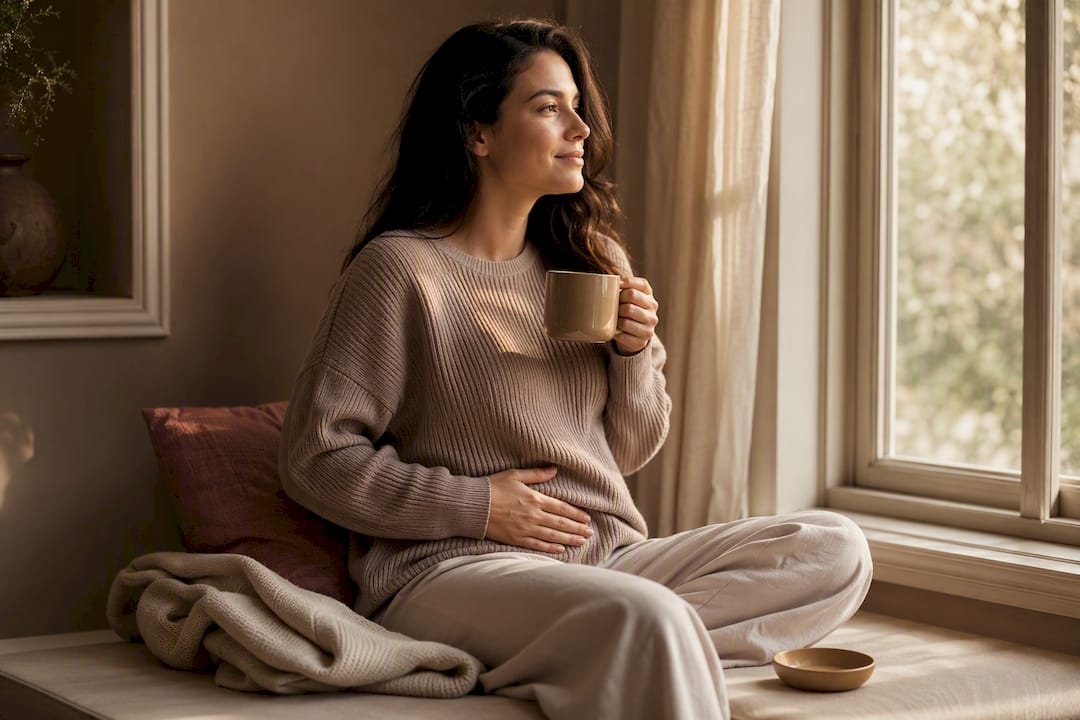
Pro Tip: Pair heat with a warm drink. The combination of external and internal warmth relaxes muscle tension faster than heat alone.
Gentle Movement That Actually Helps Cramps
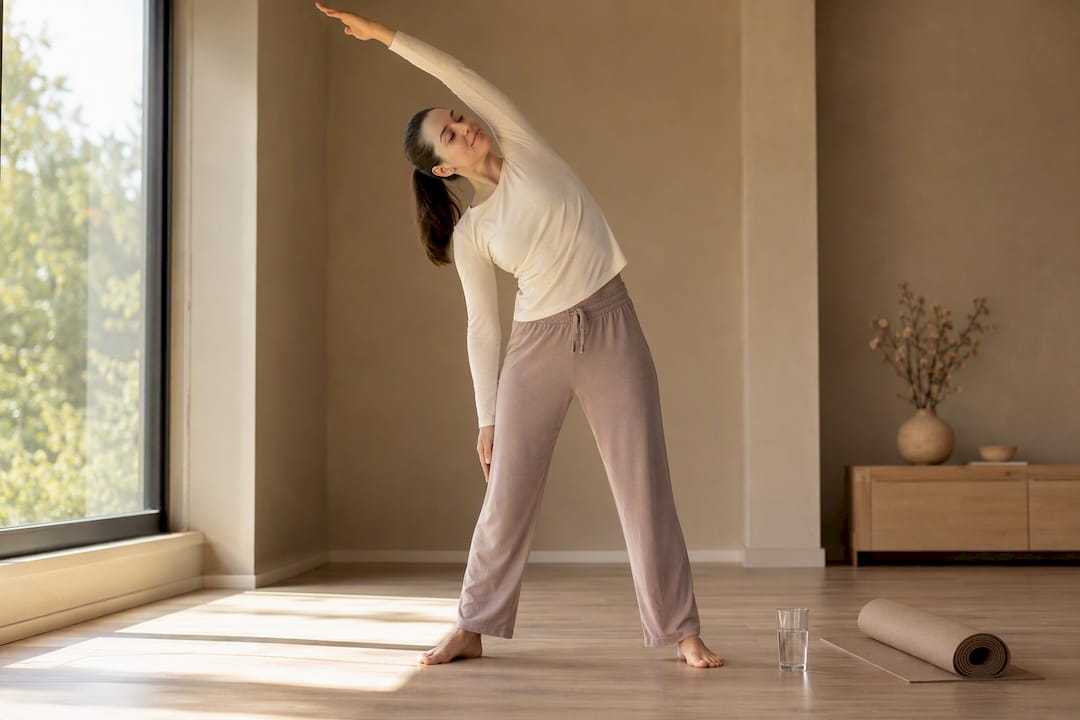
Light exercise raises endorphins and appears to blunt the pain signals prostaglandins send out, according to the Cleveland Clinic. You don’t need intensity for this to work. In fact, experts specifically recommend gentle, regular movement over hard workouts during your period, since overtaxing your energy can backfire.
Here’s a five to ten minute flow worth keeping in your back pocket:
- Cat pose stretches, held for a few breaths each, to loosen the lower back.
- A slow walk, indoors or outside, for five to ten minutes.
- Bridge pose, which gently engages the pelvic floor and lower abdomen.
- A few minutes of easy swimming or water walking, if you have pool access.
If a movement makes pain sharper rather than looser, stop. That’s your body telling you to rest instead, and that’s a valid choice too.
What to Eat and Drink for Steadier Days
Iron, omega-3 fatty acids, and magnesium do the heavy lifting nutritionally during your period. Iron-rich foods like lentils, spinach, and lean red meat help replace what you lose through bleeding, while omega-3s from salmon, walnuts, and flaxseed are tied to lower inflammation and menstrual discomfort in nutrition research.
- Sip water consistently through the day; dehydration tightens muscles and can intensify cramping, and hydration habits matter more during your period than most people realize.
- Eat protein and fiber together at meals to keep blood sugar steady and avoid energy crashes.
- Reach for magnesium-rich foods like dark chocolate, almonds, or pumpkin seeds.
- Go easy on excess salt and caffeine, both of which can worsen bloating and jitteriness.
If you’re considering a new supplement, talk to a clinician first. Supplement quality and dosing aren’t tightly regulated, and some can interact with medications you already take, per NCBI research.
Sleep and Rest Strategies for Period Fatigue
Hormone shifts right before and during your period can disrupt deep sleep, which is part of why period fatigue feels different from regular tiredness. Small adjustments to your evening routine make a real difference.
- Move your bedtime up by 20 to 30 minutes on heavy-symptom days.
- Keep your bedroom cool. A warm body fights harder for good sleep.
- Choose breathable cotton sheets and sleepwear over synthetic fabrics.
- Wind down with a warm bath or herbal tea instead of scrolling your phone.
- Give yourself permission to pace your workload lighter on the toughest one or two days.
Pro Tip: Set a “low output” flag on your calendar for predicted high-symptom days so you’re not overcommitting future you.
Menstrual Hygiene and Choosing the Right Products
Change your pad, tampon, or menstrual cup on a regular schedule and wear breathable cotton underwear to cut down on irritation risk, guidance echoed by the CDC. Pads and period underwear suit lighter flow or overnight use; tampons and cups work well for higher activity days but need more frequent attention to timing.
- Avoid douching and scented products, both of which disrupt natural pH and raise infection risk.
- Follow tampon safety guidance from the FDA to lower toxic shock syndrome risk.
- Watch for unusual odor, itching, or discharge; these can signal infection.
- Contact your provider for heavy, prolonged, or unusual bleeding rather than waiting it out.
Managing Mood Swings and Emotional Sensitivity
Feeling more irritable, weepy, or anxious before or during your period isn’t a personality flaw. It’s hormonal, and it’s real, as Womenshealth confirms in its overview of premenstrual symptoms.
- Try paced breathing: four seconds in, six seconds out, for two minutes.
- Use the 3-2-1 grounding method: name three things you see, two you hear, one you feel.
- Journal for five minutes with one prompt: “What do I need right now that I’m not asking for?”
- Tell a partner or coworker plainly what you need that day, whether it’s quiet or a lighter workload.
- If mood symptoms feel severe or persistent beyond your period, mention it to a healthcare provider. That could point to something beyond typical PMS.
Building a Period Toolkit You Can Reach for Every Month
A prepared toolkit removes the guesswork the moment symptoms start, and that matters more than it sounds. One self-care ritual guide notes that having your tools ready in advance shortens the gap between “I feel cramping” and actual relief.
Stock a small kit with:
- A heat source you can grab fast
- A magnesium-rich snack, like almonds or dark chocolate
- Spare pads, tampons, or a menstrual cup
- An iron-rich snack for heavier days
- Comfortable, breathable clothing set aside for symptom days
A cordless option like NuFemme fits naturally into this kit. It’s a wearable belt that combines heat, massage, and red-light therapy in one device, worn discreetly under clothing with no cord and no waiting around for a heating pad to warm up. Rebire reports that 93% of users noted reduced pain within 15 minutes of use, based on the brand’s own user data. Test any new toolkit item over two or three cycles before deciding it’s a keeper.
When Period Pain Means It’s Time to See a Doctor
Most period pain responds to heat, movement, and OTC pain relievers within a day or two. If it doesn’t, that’s your signal to check in with a provider rather than push through.
- Soaking through more than one pad or tampon an hour for several hours straight
- Pain severe enough to stop you from working, walking, or sleeping
- Fever alongside cramping or unusual discharge
- Bleeding between periods or cycles that suddenly change length or intensity
Track your symptoms, including pain intensity, flow, and what relief methods you tried, for a cycle or two before your appointment. That record helps a healthcare provider spot patterns faster than a vague description of “bad cramps” ever could.
A Note on Personalizing Your Own Routine
No two cycles behave identically, and no single routine works for everyone every month. Treat these tips as a starting menu, not a strict prescription, and give yourself two or three cycles to notice what your body actually responds to before deciding something doesn’t work.
If you land on a combination that helps, whether it’s a specific stretch, a food swap, or a five-minute breathing practice, that’s worth writing down. Period self-care rewards small, repeated experiments more than any single big change.
— Lavinia
A Discreet Way to Carry Relief With You
Heat and gentle movement work. The catch is that most heat tools tie you to a couch, an outlet, or a specific room, right when you need to keep moving through your actual day. NuFemme solves that specific gap: it’s a cordless wearable belt combining heat, massage, and red-light therapy, built to sit discreetly under your clothes whether you’re at a desk, running errands, or just need five quiet minutes to reset.
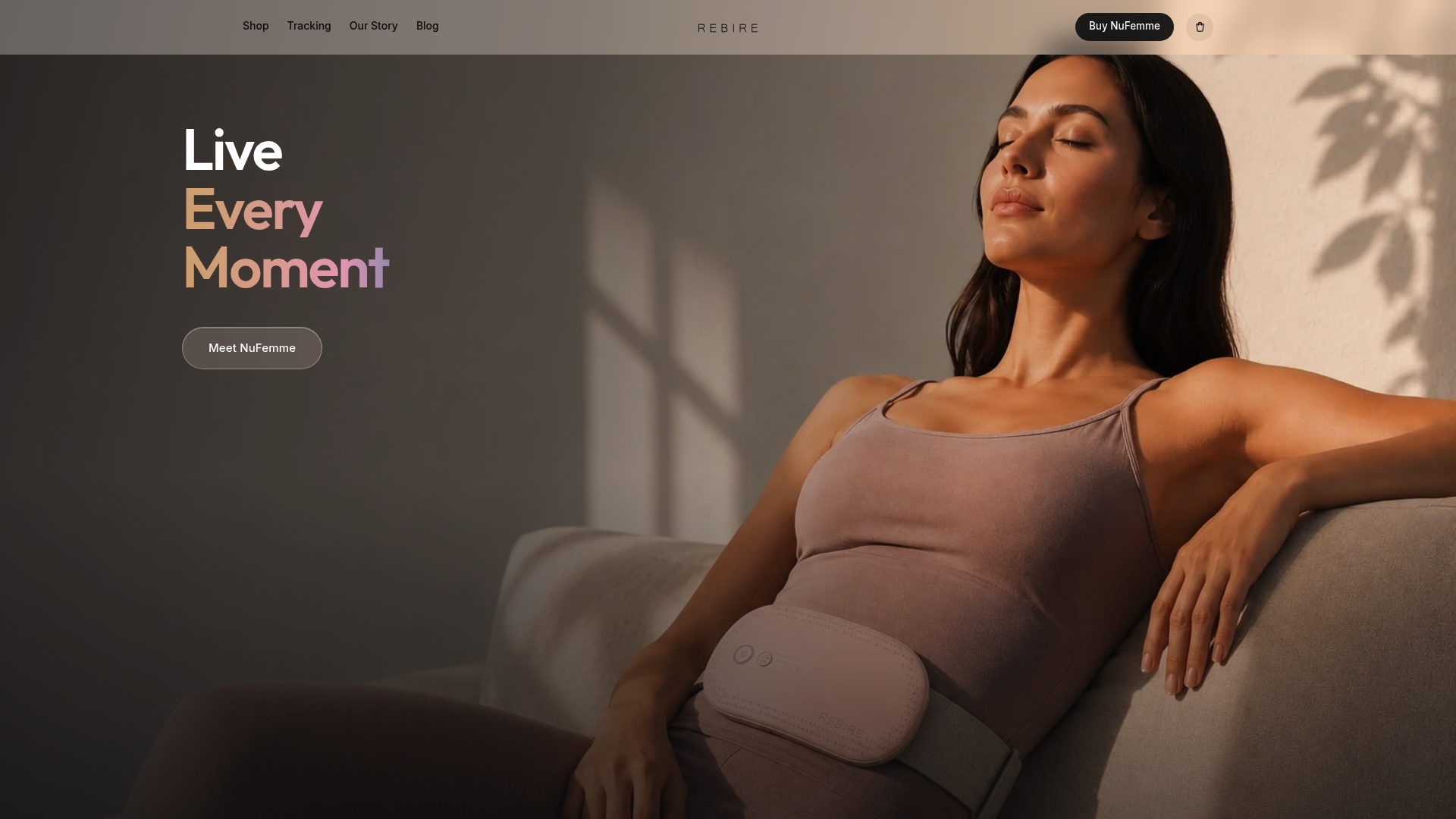
Three heat levels and three massage speeds mean you set your own comfort level instead of guessing with a one-setting heating pad. It works just as well as a $338 self-purchase for your own relief as it does as a gift. For a partner who’s paying attention to what you go through every month, NuFemme in Rose Gold or Ivory reads very differently than a last-minute drugstore run. Whichever way you’re approaching it, the product page walks through sizing, settings, and what’s actually in the box.
This article is general information, not a substitute for advice from a qualified doctor. Consult a qualified healthcare professional about your own circumstances before acting on anything here.
Sources
- What Helps With Period Cramps?
- Healthy Habits: Menstrual Hygiene
- PMC article on nutrition and menstrual symptoms
- Womenshealth
- MedlinePlus patient instructions on period discomfort
FAQ
What is the 7-2-1 rule for menstruation?
Definitions of this rule vary across sources and it isn’t a standard medical guideline, so treat any specific version cautiously. If you’ve seen it referenced online, check the original source directly rather than assuming it’s an established clinical standard.
How can I feel less tired during my period?
Prioritize sleep on your heaviest-symptom days, even if that means moving your bedtime up by 20 to 30 minutes, and keep hydration and iron-rich foods steady throughout the day. Light movement like a short walk can also counter fatigue better than staying still, since it boosts circulation and mood-lifting endorphins, per the Cleveland Clinic.
What should I avoid during my period?
Skip douching and scented hygiene products, both of which raise irritation and infection risk according to CDC guidance. It’s also worth easing up on high-intensity workouts, excess caffeine, and heavy salt intake, all of which can intensify cramping or bloating.
Is it normal to sleep more during your period?
Yes. Hormonal shifts before and during your period commonly affect sleep quality and energy levels, which is why extra tiredness or a stronger pull toward naps is a typical, not concerning, experience. If fatigue feels extreme or doesn’t improve with rest, mention it to a provider.
Does NuFemme actually help with cramps?
NuFemme combines heat, massage, and red-light therapy in one cordless, wearable belt, and Rebire reports that 93% of users experienced reduced pain within 15 minutes in its own user data. It’s designed as a portable alternative to a traditional heating pad, letting you keep it on discreetly under clothing throughout the day.