

The best PMS care package pairs personalized comfort items with a reliable relief centerpiece, not a pile of random drugstore items. Whether you’re building a gift or your own emergency stash, the smartest approach follows what ACOG calls multimodal care: a mix of comfort, movement, and pain relief rather than one cure-all product. A cordless heat and massage wearable like NuFemme makes a strong centerpiece because it works across several symptoms at once.
TL;DR:
- A multimodal PMS care package should center around a cordless wearable device like NuFemme, which combines heat, massage, and red-light therapy for fast relief, with 93% of users reporting reduced pain within 15 minutes.
- Packing should include core menstrual supplies, comfort items like heat patches and socks, and small joys such as tea or snacks, with a clear distinction between consumables and reusables for easier restocking.
- Personalization is crucial; asking about product preferences and sensitivities ensures the package feels thoughtful, especially when including a trusted wearable device as the main relief item.
- Timing delivery two to three days before the typical start of her period maximizes usefulness, and avoiding subscription auto-renewal pitfalls helps maintain support without surprise charges.
- A reusable wearable device like NuFemme, priced at $338, serves as a lasting anchor for the package, providing ongoing relief beyond single-use supplies.
Table of Contents
- PMS Care Package Formats: Ready-Made Boxes, Subscriptions, or DIY
- What Should You Put in a PMS Care Package?
- Do Heat, Exercise, and OTC Meds Actually Relieve PMS Symptoms?
- How Do You Personalize a PMS Care Package?
- When Should You Send a PMS Care Package?
- Why a Wearable Device Makes a Strong Care Package Centerpiece
- How I Build a Thoughtful PMS Care Package
- A Gift That Keeps Working After the Box Is Empty
- Sources
- FAQ
PMS Care Package Formats: Ready-Made Boxes, Subscriptions, or DIY
The format you choose depends on your goal more than your budget. A one-time gift calls for something different than an ongoing support plan, and an emergency pouch has its own rules entirely.
Ready-made boxes work best for a single occasion, like a birthday close to her cycle or a “thinking of you” gift after a rough month. You skip the shopping and wrapping, but you’re trusting a stranger’s idea of comfort, and contents vary wildly between brands, from pads and wipes to heat patches, tea, and small treats.
Subscriptions fit people who want ongoing support without repeat effort. They’re smart for a partner who wants monthly reassurance built in, but they carry real risk if you don’t check the fine print first.
DIY kits give you full control over personalization, price, and quality. They take more time to assemble, but nothing beats getting the exact right comfort item, snack, or scent for a specific person.
Here’s a quick way to decide:
- Choose ready-made if you need something fast, have no idea about personal preferences, or want a professionally curated presentation.
- Choose a subscription if the recipient deals with PMS every single month and would benefit from automatic restocking.
- Choose DIY if you know the person well, have a specific centerpiece item in mind (like a wearable device), or want to control cost precisely.
Most people land on a hybrid: a DIY box built around one meaningful, evidence-backed item, filled out with a few ready-made comfort extras. That combination tends to beat either format on its own.
What Should You Put in a PMS Care Package?
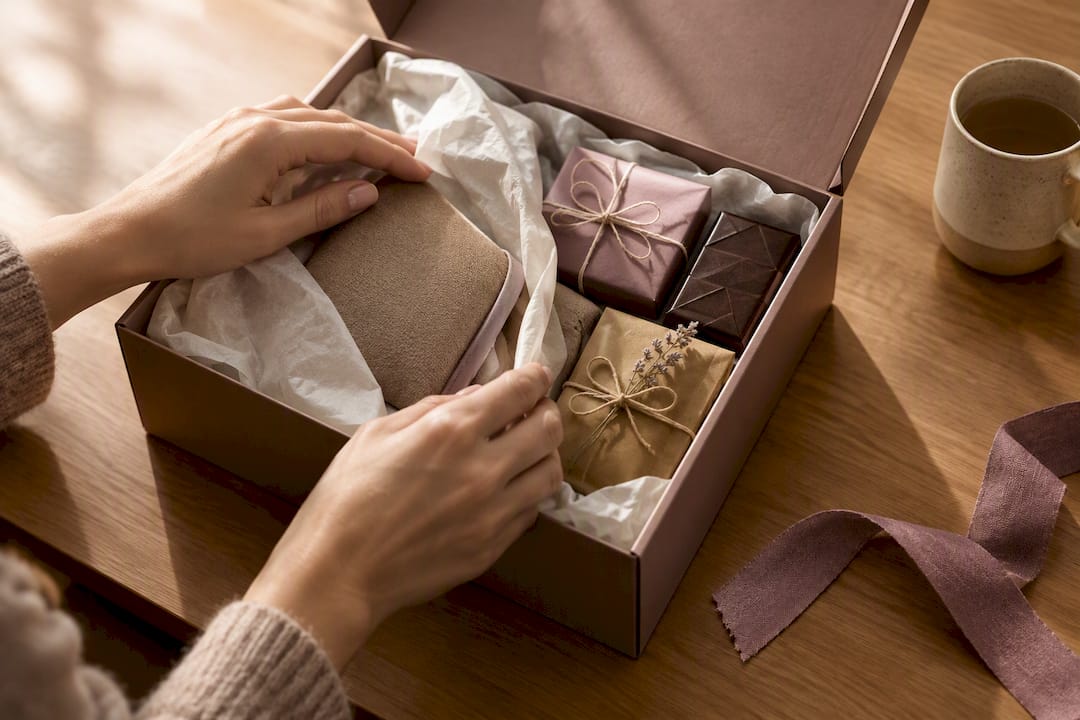
A useful package layers three types of items: supplies that solve the immediate problem, comfort items that ease symptoms, and small extras that make the day feel less brutal. Skipping any one category leaves gaps.
Here’s a practical order of priority:
- Core menstrual supplies — pads, tampons, or a menstrual cup in the recipient’s preferred type, plus a backup option in case flow runs heavier than usual. If you genuinely don’t know her preference, a gift card to a drugstore or online retailer beats guessing wrong.
- Hygiene and disposal items — flushable wipes, a small trash bag or scent-sealing disposal pouch, a spare pair of underwear, and a few resealable bags for discreet carrying.
- Comfort and relief items — adhesive heat patches, a microwavable hot pack, cozy socks, and a wearable heat and massage device like NuFemme for relief that doesn’t depend on staying near an outlet.
- Small joys — a favorite tea, a chocolate bar, or a snack that travels well, plus one inexpensive self-care extra like a face mask or hand cream.
Separate these into two buckets as you shop: consumables (pads, wipes, tea, chocolate) that get used up and need replacing, and reusables (the heat patches’ holder, socks, a wearable device) that last for cycle after cycle. This distinction matters more than most people realize, because it determines what needs restocking next month and what doesn’t.
Pro Tip: Buy the reusable centerpiece item first, then build the consumable layer around it. A wearable relief device anchors the whole package and remains useful long after the tea and chocolate are gone.
Do Heat, Exercise, and OTC Meds Actually Relieve PMS Symptoms?
Yes, but no single method works for everyone, which is exactly why ACOG’s clinical guidance recommends a multimodal plan combining self-help strategies, exercise, and medication chosen by symptom severity rather than a one-size-fits-all fix. That’s the whole logic behind building a package with several relief options instead of betting everything on one product.
Heat therapy has long been a go-to for cramps, and it remains one of the simplest, most accessible relief methods available. A basic hot water bottle or adhesive patch works, but both come with a catch: patches lose heat within a few hours, and hot water bottles tie you to the couch. Cordless wearables solve that problem by letting heat travel with the person, whether she’s at her desk or running errands.
Movement helps too, even though cramping makes exercise feel like the last thing anyone wants to do. ACOG’s patient guidance notes that roughly 30 minutes of aerobic activity on most days can ease PMS symptoms and reduce fatigue and depression for many people. Including a note that says “even a short walk counts” can be more useful than another product.
A reported 93% of NuFemme users experienced reduced pain within 15 minutes of use, based on Rebire’s own user data. That kind of quick, hands-free relief is exactly what a heat patch or hot water bottle can’t offer once someone leaves the house.
If you’re including over-the-counter pain relievers like ibuprofen or acetaminophen, keep a few safety rules in mind:
- Leave medication in its original packaging with the Drug Facts label intact, per FDA labeling guidance for internal analgesics.
- Never duplicate active ingredients across two different products in the same box.
- Add a short note suggesting the recipient check with her provider if she has any health conditions or takes other medications.
Supplements are trickier territory. A systematic review of herbs, vitamins, and minerals for PMS found calcium had the most consistent trial support among the options studied, while evidence for most other supplements remains limited. If you include any supplement, frame it gently and encourage a conversation with a healthcare provider, especially if the recipient is pregnant or on medication.
How Do You Personalize a PMS Care Package?
Generic boxes feel like an afterthought. Personalized ones feel like someone actually paid attention, and that difference is what separates a forgettable gift from one she keeps mentioning.
A few discreet questions go a long way before you shop, especially to decide on a small-batch product like the Natural Soap - Lavender & Rosemary – Maison Dovellé for a gentle, pampering touch. Ask, casually or through a mutual friend, about her preferred period product type, whether she’s sensitive to scented items, if she’s open to medication in a gift, and what snack she reaches for on a rough day.
If you genuinely can’t ask, or you’re shopping for someone you don’t know well:
- Choose a gift card over guessing at product type or brand.
- Stick to unscented versions of anything applied to skin, since fragrance sensitivity is common during PMS.
- Lean on non-intrusive comfort items like a wearable device, a soft blanket, or tea, which work regardless of personal preference.
- Skip medication entirely if you’re unsure about allergies or current prescriptions.
For tween and first-period kits, the calculus changes. Keep language simple, include a short educational note explaining what’s normal, and favor smaller, less intense comfort items over anything designed for severe cramping. A mother-daughter gift bundle built around education and gentle comfort tends to land better than a kit aimed at adult symptoms. Timing your gift to arrive before symptoms typically start, rather than after they’ve already begun, makes the whole package feel more thoughtful and considerably more useful.
When Should You Send a PMS Care Package?
Timing separates a package that feels helpful from one that arrives a day too late. If you’re tracking a partner’s or friend’s cycle, aim for delivery two to three days before her period typically starts, when PMS symptoms are already building.
Before buying a subscription box, check three things:
- Auto-renewal terms — know exactly when you’ll be charged again and how to cancel.
- Content transparency — some subscriptions hide their exact contents until after purchase, which makes it hard to avoid duplicate items or unwanted products.
- Cancellation policy — a service that makes canceling difficult is a red flag worth avoiding entirely.
Once the package is built, separate consumables from reusables clearly, ideally with a simple note or list. Something as basic as “replace the tea and pads each month, keep the heat wearable and socks” prevents the kit from turning into a one-time novelty that gets forgotten in a drawer. If you’re shopping under time pressure, a same-day gift option can still hit the right timing window without sacrificing thoughtfulness.
Why a Wearable Device Makes a Strong Care Package Centerpiece
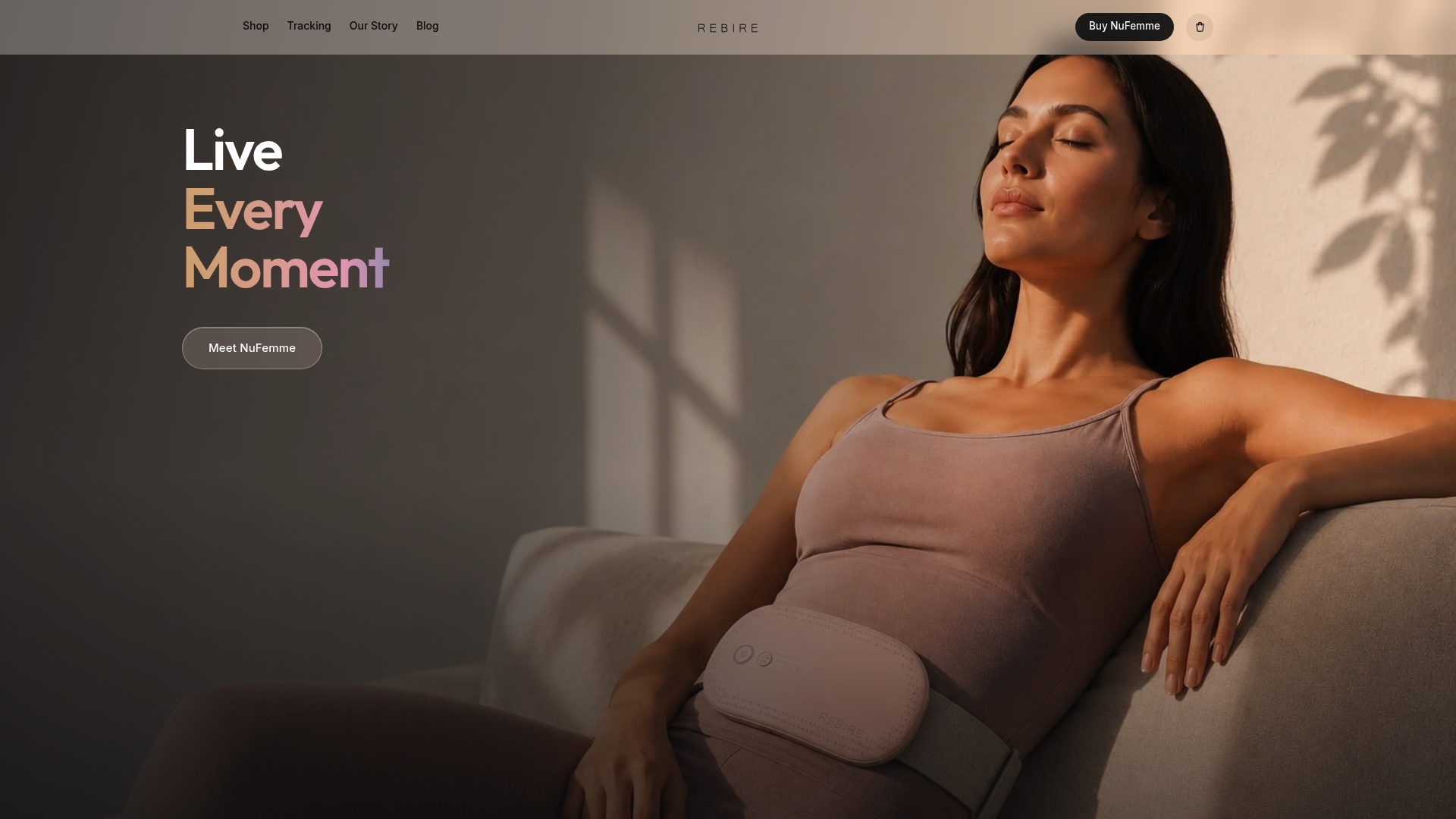
A cordless wearable earns its place as the anchor item because it does more than one job. NuFemme combines heat therapy, vibration massage, and red-light therapy in a single belt worn discreetly under clothing, with three heat levels and three massage speeds so she can adjust intensity to whatever the moment calls for, whether that’s sitting at a desk or lying down for ten quiet minutes.
Rebire’s internal usage data reports that 93% of NuFemme users experienced reduced pain within 15 minutes of starting a session. That speed matters for a care package specifically, because it means the item works fast enough to matter during a bad afternoon rather than requiring advance planning.
The gifting logic holds up too. It’s rechargeable, so there’s no cord tethering her to an outlet, and it’s quiet enough to use around others without announcing itself. For a partner choosing a gift, that combination of function and discretion reads as genuinely thoughtful rather than a last-minute drugstore grab. Paired with a period comfort kit of smaller consumables, it becomes the kind of centerpiece the rest of the box supports rather than competes with.
How I Build a Thoughtful PMS Care Package
Volume is the trap almost everyone falls into. A box stuffed with fifteen items looks impressive in a photo, but half of it usually goes unused because nobody asked what the person actually wanted or needed.
The two mistakes I see most often: assuming preferences instead of asking, and building a gorgeous basket with zero plan for what happens when the tea runs out. A package without replenishment logic is a one-time novelty, not ongoing support.
My checklist stays short on purpose:
- Pick one relief centerpiece that works across multiple symptoms.
- Learn (or guess conservatively) her product and scent preferences.
- Separate consumables from reusables before you even start shopping.
- Time delivery to land before symptoms typically hit.
- Leave a simple note about what needs restocking and when.
Personalization beats volume every time. A drug-free relief guide is a good place to start if you want to understand the nonpharmacologic side before you shop.
— Lavinia
A Gift That Keeps Working After the Box Is Empty
Most PMS care package items get used once and thrown away. NuFemme is the one part of the box built to last through cycle after cycle, giving heat, massage, and red-light therapy in a single cordless wearable she can wear under her clothes without missing a beat of her day.
It fits every buyer type this article has covered: the self-purchaser who wants fast, drug-free relief between meetings, the partner who wants to give something that shows real attention rather than a rushed drugstore pickup, and anyone building a self-care kit around one dependable centerpiece instead of a dozen disposable extras. At $338 as a one-time purchase, it’s priced as the anchor item, not a stocking stuffer, which is exactly the role it should play in your package. Pair it with the essential cramp relief guide for more on how heat and massage work together, then visit the NuFemme product page to check current availability and finish out with tea, snacks, and the small comfort extras that round out a package she’ll actually keep reaching for.
This article is general information, not a substitute for advice from a qualified doctor. Consult a qualified healthcare professional about your own circumstances before acting on anything here.
Sources
- Management of Premenstrual Disorders | ACOG
- FDA OTC monograph: Internal analgesic guidance
- Herbs, vitamins and minerals in the treatment of premenstrual syndrome: systematic review
FAQ
What should I put in a period care package?
Cover three categories: core menstrual supplies with a backup option, comfort items like heat patches or a wearable device, and small extras like tea or snacks. Separate items that get used up from ones that last multiple cycles so restocking stays simple.
What are some good PMS care packages for period pain specifically?
The most effective packages for pain include a fast-acting heat source, since ACOG recommends multimodal care rather than relying on one method. A cordless wearable like NuFemme, which reportedly helped 93% of users feel reduced pain within 15 minutes, works well alongside OTC pain relievers kept in their original packaging.
What is the 7-2-1 rule for menstruation?
There’s no single, medically standardized rule recognized in clinical guidance from organizations like ACOG. If you’ve seen it referenced online, treat it as informal advice rather than an established medical framework, and rely on ACOG’s actual multimodal recommendations instead.
What should I buy when my daughter gets her first period?
Start with basic supplies in a simple, easy-to-use format, plus a gentle heat patch or comfort item and a short, age-appropriate note explaining what’s normal. Keep medication out of a first kit unless you’ve already discussed it with her, and consider a mother-daughter gift bundle designed for that first conversation.
How much does NuFemme cost?
NuFemme is priced at $338 as a one-time purchase. It’s designed to be a reusable centerpiece item rather than a monthly expense.