

The fastest non-drug relief for PMS cramps combines targeted heat with gentle movement. Add high-frequency TENS or a short course of an NSAID if the pain doesn’t ease within 30 to 60 minutes. Topical heat, exercise, TENS, and ginger all have supportive evidence behind them, while supplement results vary more from person to person. If cramps last past 72 hours or come with heavy bleeding or fever, that’s your signal to call a clinician.
TL;DR:
- Applying targeted heat and engaging in gentle movement can provide relief within 30 to 60 minutes for most PMS cramps.
- Using a cordless heat and massage wearable can extend relief during daily activities, offering adjustable intensity without restricting movement.
- Regular physical activity, a balanced anti-inflammatory diet, and supplements like magnesium and ginger can reduce cramp severity over multiple cycles.
- If cramps last beyond 72 hours, are associated with heavy bleeding, or include fever and nausea, medical evaluation becomes necessary.
- Cutting back on smoking and alcohol before periods can improve overall symptom management by reducing inflammation and dehydration.
Table of Contents
- How To Get PMS Cramps Relief In The Next Hour
- What Daily Habits Actually Reduce Cramp Severity Over Time
- Do Acupuncture And Physical Therapy Help With Cramps?
- When Should You See A Doctor About Period Cramps?
- How A Cordless Heat And Massage Wearable Fits In
- Why Sleep Quality Changes How Bad Cramps Feel
- Does Quitting Smoking Or Cutting Alcohol Reduce PMS Symptoms?
- A Few Honest Words On Finding What Works For You
- Bringing Heat, Massage, And Infrared Into Your Relief Routine
- Sources
- FAQ
How To Get PMS Cramps Relief In The Next Hour
You don’t need to wait out cramps on the couch hoping they pass. A few fast, evidence-backed moves can bring real relief within the hour.
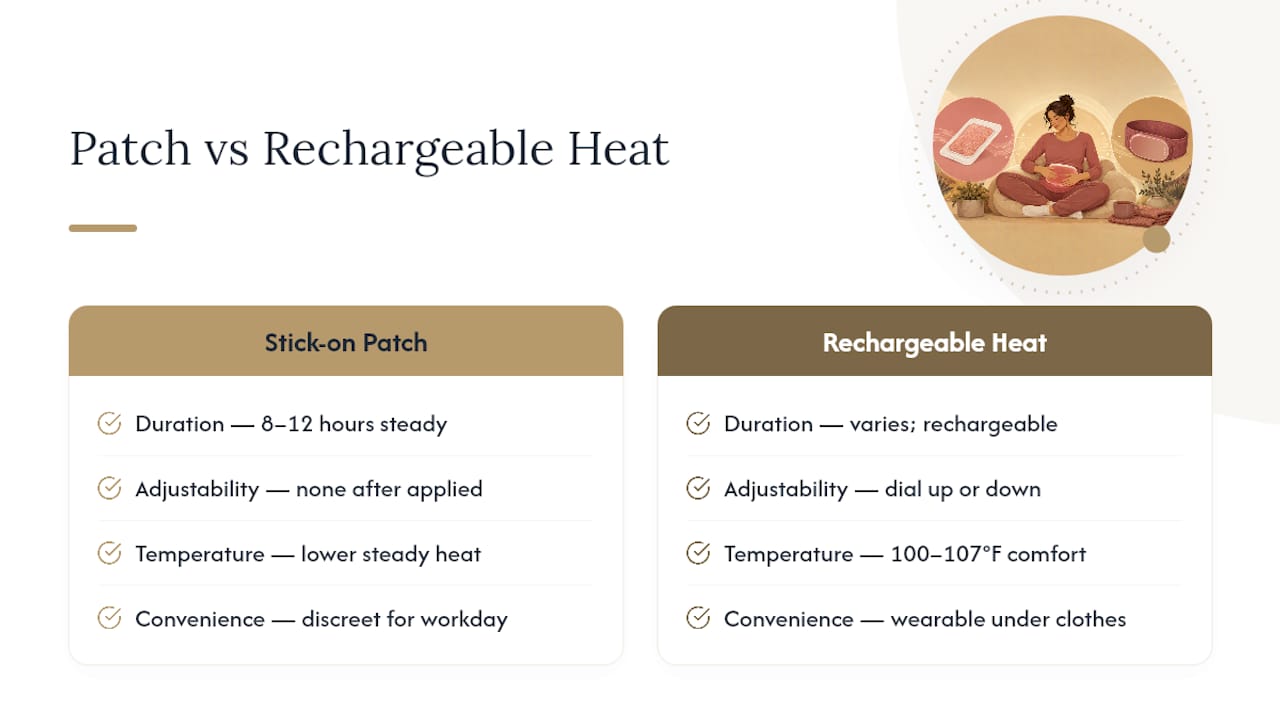
Heat first. Place a heat source directly on your lower abdomen, right over the uterus. Research summarized in a large review of reviews covering 21 systematic reviews found topical heat consistently reduces cramp intensity, right alongside NSAIDs and exercise. Stick-on heat patches run 8 to 12 hours at a lower, steady temperature, so they’re convenient for a workday, but they can’t be adjusted once applied. Electric or rechargeable heating options let you dial the temperature up or down, which matters because heat settings between 100°F and 107°F tend to hit the sweet spot between comfort and actual muscle relaxation.
This is where a cordless wearable earns its keep. A device that combines heat, vibration massage, and infrared light in one belt, meaning you’re not tethered to an outlet or stuck lying down waiting for a pad to warm up. You can wear one under a sweater at your desk or under a blouse at dinner, and nobody has to know.
TENS units deliver a mild electrical current through pads placed on the lower back or abdomen. Systematic reviews show largely positive results for menstrual pain, with many people noticing a difference within 20 to 30 minutes of continuous use.
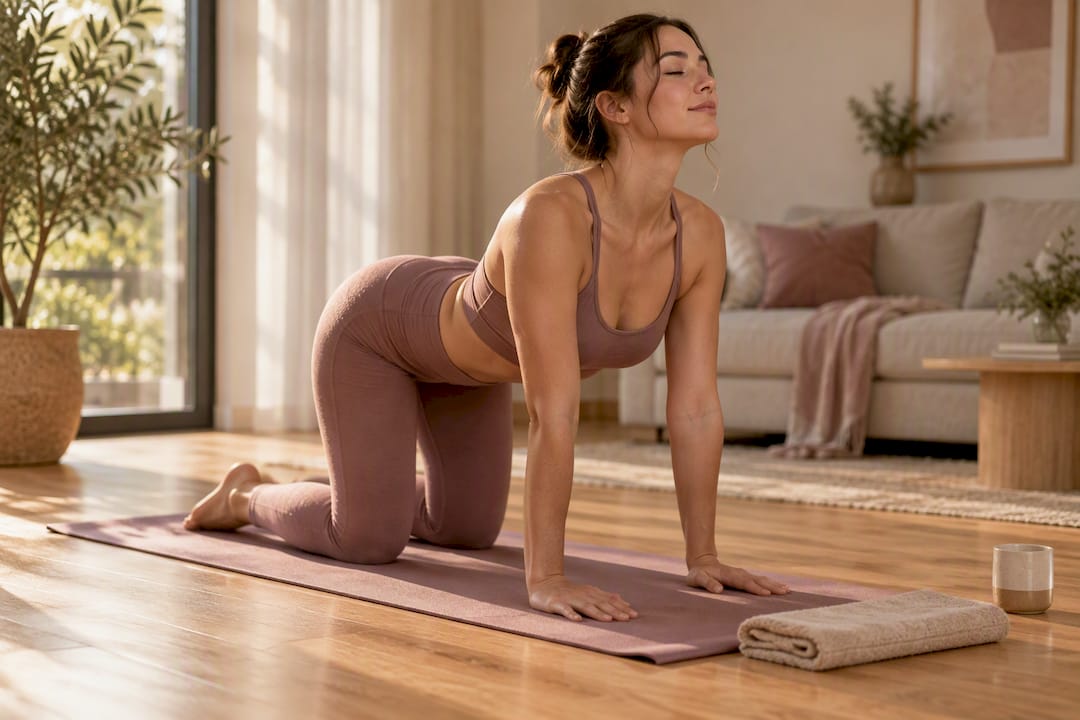
Move, even briefly. A 10 to 15 minute walk or a few rounds of the yoga cat-cow pose gets blood flowing to the pelvic area and can ease cramp intensity in about the same window.
If pain isn’t backing down, an NSAID like ibuprofen taken with food, following label dosing, is a reasonable next step. NCBI’s clinical summary lists NSAIDs as a first-line treatment for menstrual pain, and taking one at the first twinge, rather than waiting until pain peaks, tends to work better.
Pro Tip: Start your first-line combo (heat plus movement) the moment cramps begin, not after they’ve built up. Pain is easier to head off than to chase down.
What Daily Habits Actually Reduce Cramp Severity Over Time
Fast fixes handle the moment. Real prevention comes from what you do the other 25 days of your cycle.
- Move your body regularly, not just during your period. Three to four sessions a week of moderate cardio, like brisk walking, swimming, or cycling, has shown up repeatedly in reviews as reducing dysmenorrhea severity. Building the habit before your period starts matters more than scrambling once cramps hit.
- Eat to lower inflammation. Leafy greens, fatty fish, berries, and whole grains support this; cutting back on salt and refined sugar in the days before your period can reduce bloating that makes cramps feel worse. Staying well hydrated helps too, since dehydration tends to intensify muscle cramping generally.
- Consider supplements with real backing. Magnesium has muscle-relaxing properties and shows up in clinical literature as genuinely useful, especially paired with vitamin B6. Ginger has supportive evidence from the same umbrella review cited above for heat and NSAIDs. Calcium and vitamin B6 on their own show more mixed but still promising results. None of these replace medical care, and if you’re on other medications, check with a pharmacist before adding a new supplement. Independent product reviews, like this one covering a popular magnesium supplement, can help you compare formulations before buying.
- Protect your sleep and manage stress. Both compound the other habits on this list. Poor sleep and chronic stress amplify pain sensitivity, which undercuts everything else you’re doing right.
Give any new routine a full two to three cycles before judging whether it’s working. Hormonal and muscular changes don’t respond overnight, and drug-free approaches generally need consistency more than intensity.
Do Acupuncture And Physical Therapy Help With Cramps?
Beyond heat and movement, several adjunct therapies show promise for people whose cramps don’t respond fully to the basics.
- Acupuncture and acupressure show moderate effectiveness in clinical trials, though study quality varies widely, so treat results as encouraging rather than definitive. Most people trying acupuncture for cramps need four to six sessions before judging effect.
- Pelvic floor physical therapy helps when cramps come with deep pelvic tension, painful intercourse, or pain that radiates to the lower back and thighs. A pelvic floor therapist can identify muscle guarding patterns a general practitioner might miss.
- CBT and relaxation training address the mood and stress components of PMS, which matter because anxiety and low mood tend to lower pain tolerance during your luteal phase.
- Massage and progressive muscle relaxation can ease cramps in as little as 10 minutes, using slow circular pressure on the lower abdomen or systematically tensing and releasing muscle groups head to toe.
Access and cost vary a lot by provider and region, so ask whether a practitioner has specific experience with menstrual pain before booking.
When Should You See A Doctor About Period Cramps?
Most cramps respond to self-care, but some patterns point to something that needs medical evaluation. Watch for pain lasting more than 72 hours, bleeding that soaks through a pad or tampon hourly, sudden changes in your usual pattern, or fever and nausea alongside cramps.
A clinician evaluating persistent pain typically starts with a history and pelvic exam, sometimes followed by an ultrasound to rule out fibroids or endometriosis. Nonpharmacological therapies remain first-line for mild symptoms, but a doctor may recommend scheduled NSAIDs or hormonal birth control for more severe or treatment-resistant cases. Track your symptoms, cycle days, and what you’ve already tried for two to three months before your appointment. It gives your provider real data instead of guesswork.
How A Cordless Heat And Massage Wearable Fits In
Conventional heating pads work, but they keep you plugged in and horizontal, which doesn’t match how most days actually go. A wearable device that combines heat, vibration massage, and red-light therapy in one belt lets you keep the relief going while you’re at your desk, driving carpool, or standing in line at the pharmacy.
Rebire has found that consistent, low-level heat applied throughout the day tends to outperform occasional high-intensity heat used only when pain peaks, largely because people actually keep a cordless device on rather than abandoning a pad once they have to get up and move.
A wearable device in this category offers multiple heat levels and massage speeds so you can adjust intensity as your pain changes through the day. Think of a wearable like this as one tool in a broader routine, not a replacement for the fundamentals covered above.
Why Sleep Quality Changes How Bad Cramps Feel
Poor sleep doesn’t just leave you tired during your period. It actively turns up your body’s pain volume. Research on pain perception consistently shows that sleep deprivation lowers your pain threshold, meaning the same cramp that felt manageable on a good night’s sleep can feel sharper and harder to tolerate after a rough one.
The days leading into your period are exactly when sleep tends to suffer most, since progesterone shifts and physical discomfort both interfere with deep sleep stages. That creates a frustrating loop: cramps disrupt sleep, and disrupted sleep makes the next day’s cramps feel worse.
A few sleep hygiene basics make a real difference here. Keep your bedroom cool, since a lot of premenstrual sleep disruption comes from body temperature swings. Avoid caffeine after early afternoon during the week before your period, when you’re already more sensitive to its effects. Stick to a consistent bedtime, even on weekends, because irregular sleep schedules compound premenstrual sleep issues rather than just adding to them independently.
If cramping itself is what’s keeping you awake, a low, steady heat setting worn to bed can help you fall asleep faster without needing to reach for medication in the middle of the night. Treating sleep as part of your cramp relief plan, not a separate issue, tends to produce better results than treating pain and rest as unrelated problems.
Does Quitting Smoking Or Cutting Alcohol Reduce PMS Symptoms?
Smoking and heavy alcohol use both show consistent associations with worse PMS symptoms, cramps included. Nicotine constricts blood vessels, which can reduce blood flow to the uterus and intensify the cramping that comes from uterine muscle contractions. Smokers also tend to report earlier onset and longer duration of period pain compared to nonsmokers, based on patterns clinicians see repeatedly in practice.
Alcohol works against you in a different way. It disrupts sleep quality even when it initially feels relaxing, and it tends to worsen inflammation and bloating, both of which can make cramps feel more intense the next day. Alcohol also interacts with some pain relievers, including NSAIDs, raising the risk of stomach irritation when the two are combined.
Neither habit needs to be eliminated overnight to see benefit. Cutting back in the week before your period, when your body is already more sensitive to inflammation and sleep disruption, is a reasonable middle ground if quitting entirely feels out of reach right now. Hydration also takes a hit with alcohol use specifically, and dehydration is its own independent driver of muscle cramping. Small, sustained changes here tend to compound with the other habits covered earlier, rather than working in isolation.
A Few Honest Words On Finding What Works For You
No two people’s cramps respond to the same combination of fixes, and that’s normal, not a failure on your part. Give yourself permission to experiment across a few cycles, track what actually changes your pain, and don’t dismiss a strategy after one try. Take red flags seriously, and always check dosing and interactions before adding a new supplement or OTC medication to your routine.
— Lavinia
Bringing Heat, Massage, And Infrared Into Your Relief Routine
Static heating pads have one job and one limitation: they work only as long as you’re willing to sit still next to an outlet. Rebire built NuFemme to solve that specific problem, combining heat, vibration massage, and red-light therapy into one cordless belt you can wear under your clothes through a full workday.
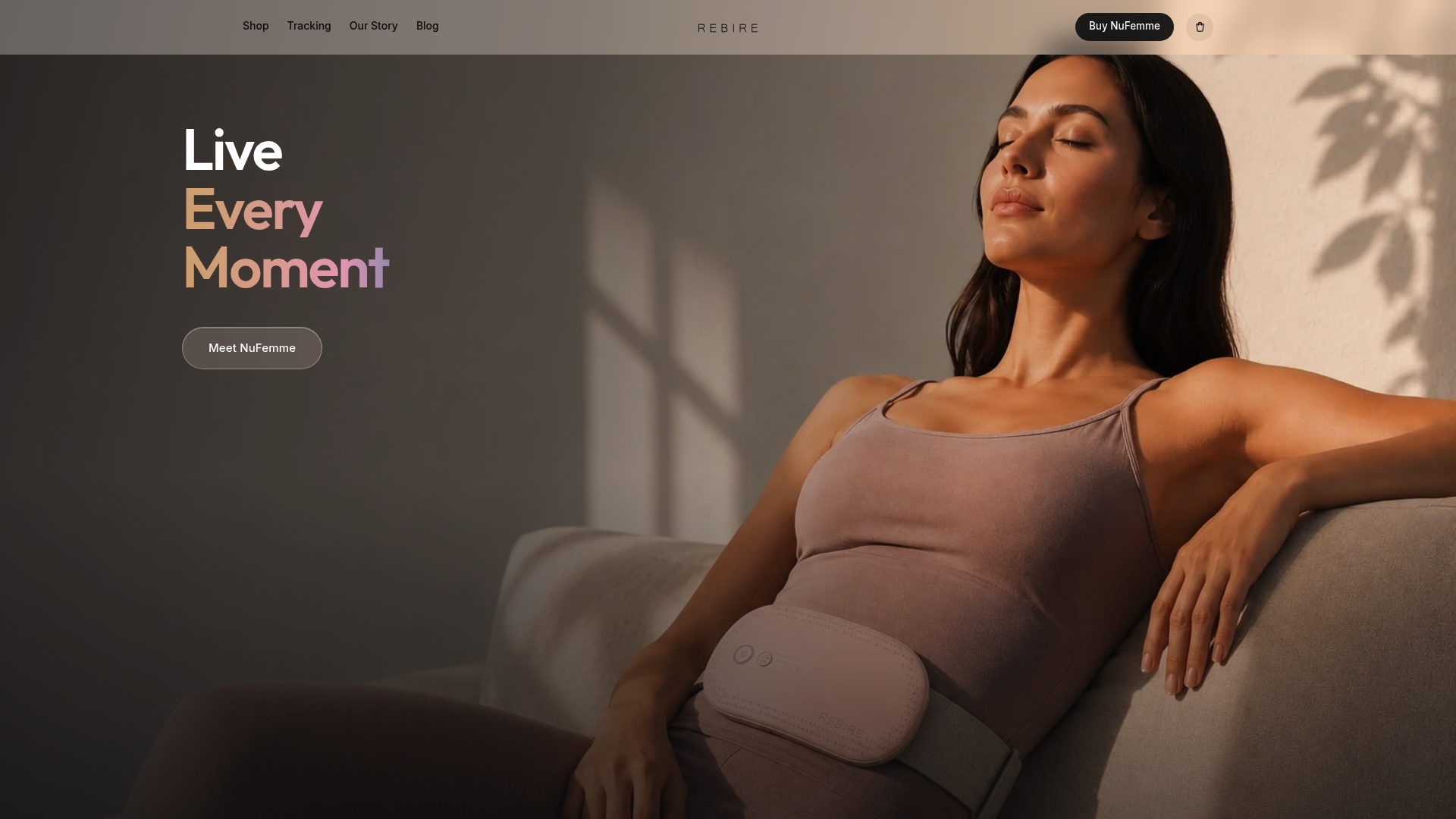
Three heat levels and three massage speeds mean you can match intensity to how bad the pain actually is, whether that’s a low steady warmth at your desk or a stronger combination during a rough afternoon. NuFemme isn’t a replacement for the heat, movement, and OTC basics covered above. It’s a way to carry that relief with you instead of pausing your day for it. NuFemme is available for $338 as a one-time purchase, ready whenever the next cycle starts.
Sources
- Premenstrual Syndrome - NCBI Bookshelf (2026)
- Self‐Care for Management of Dysmenorrhea: A Review of Reviews (Wiley, 2026)
This article is general information, not a substitute for advice from a qualified doctor. Consult a qualified healthcare professional about your own circumstances before acting on anything here.
FAQ
How Can I Relieve PMS Cramps Fast?
Apply heat directly to your lower abdomen and pair it with 10 to 15 minutes of walking or gentle stretching. If pain doesn’t ease within 30 to 60 minutes, a TENS unit or an NSAID taken with food are reasonable next steps, both supported by clinical evidence as effective first-line options.
Why Do PMS Cramps Hurt So Bad?
Cramps happen when the uterus contracts to shed its lining, and those contractions temporarily reduce blood flow and oxygen to the muscle, which produces pain. Prostaglandins, hormone-like compounds that trigger these contractions, tend to run higher in people with more severe cramps.
What Helps Relieve PMS Discomfort Beyond Cramps?
Heat, movement, and NSAIDs address the cramping itself, while sleep hygiene and stress reduction help with the bloating, irritability, and fatigue that often ride alongside it. A cordless wearable like NuFemme adds a hands-free option that fits into a workday instead of requiring you to lie down.
What Drink Calms Period Cramps?
Warm water, herbal teas like ginger or chamomile, and anything that keeps you well hydrated all support cramp relief indirectly by reducing dehydration-related muscle tension. Ginger specifically has supportive evidence as a self-care option for menstrual pain, whether taken as tea or in supplement form.
When Should Period Cramps Be Checked By A Doctor?
See a clinician if cramps last more than 72 hours, come with heavy bleeding that soaks a pad hourly, or don’t respond to NSAIDs at standard doses. These patterns can point to conditions like endometriosis or fibroids that need a proper medical evaluation rather than more self-care.