

Yes, you can often run with mild-to-moderate period cramps if you pair a discreet, cordless approach, like combined heat and gentle vibration or red-light therapy, with a few safety habits. Severe cramps that come with vomiting, fainting, or a rapidly worsening pain scale are a different story, and that’s your body’s signal to stop and check in with a doctor. For everyday cramps, a portable wearable that keeps heat and massage on your body while you move is the best on-the-go option available right now.
TL;DR:
- Using heat, vibration, or red-light therapy can significantly reduce menstrual cramp pain when applied early and combined with gentle movement.
- Discreet, cordless devices with adjustable settings and long-lasting batteries outperform stationary or wired options during physical activity or errands.
- Relief methods based on increasing blood flow and interrupting pain signals, such as heat and vibration, tend to work faster and more effectively than rest alone.
- Activity level and posture influence cramp severity, making gentle exercise and mobility routines beneficial during menstruation.
- Individuals should watch for warning signs like severe dizziness or worsening pain and consult a healthcare professional for underlying or abnormal symptoms.
Table of Contents
- Quick Checklist for Running with Cramps
- What Actually Reduces Cramp Pain? A Quick Evidence Rundown
- What Should You Look for in a Cordless Cramp-Relief Device?
- How Do You Wear a Heat and Vibration Belt While Staying Active?
- Is It Safe? Hygiene Rules and Red Flags to Stop For
- Why Do Period Cramps Happen, and What Does Exercise Do to Them?
- Menstrual Cramps or Something Else? How to Tell the Difference
- Building Long-Term Habits That Reduce Cramp Severity
- Should You Change Your Running Routine During Your Period?
- What Runners Are Actually Saying About Relief
- A Drug-Free Option Worth Considering: NuFemme
- Sources
Quick Checklist for Running with Cramps
Cramps rarely announce themselves at a convenient time. A short mental checklist, run through before you lace up and again while you’re out the door, keeps you from getting caught off guard mid errand or mid mile.
- Start early. Apply heat or begin your wearable session at the first twinge, or preemptively if your cycle is predictable. Waiting until pain peaks makes it harder to catch up.
- Hydrate before you move. Dehydration tightens muscles generally and can make cramping feel sharper, so drink water in the 30 minutes before you head out.
- Warm up gently. A few minutes of easy walking before you run loosens the lower back and hips, which often carry tension during your period.
- Slow your pace and stand tall. An upright posture opens up the abdomen more than a hunched stride, and a slower pace reduces jarring impact on the pelvic floor.
- Breathe on rhythm. Match your breath to your steps, and take short walk breaks if a wave of cramping hits.
- Keep settings low and discreet. If you’re wearing a heat and vibration device, low intensity is usually enough during activity, since your body already generates warmth as you move.
- Pack smart. Bring a spare charge for your wearable, a small adhesive heat patch as backup, water, and your phone or ID in case you need to cut the run short.
What Actually Reduces Cramp Pain? A Quick Evidence Rundown
The relief methods behind a device matter more than the marketing language wrapped around them. Three mechanisms show up repeatedly in clinical research on primary dysmenorrhea, and they explain why heat, vibration, and light therapy keep beating out plain rest.
- Heat and far-infrared (FIR) energy raise local blood flow and relax uterine muscle. A FIR belt trial found that abdominal blood flow rose measurably in the treatment group, and the share of participants reporting severe pain (above 5 on a 10-point scale) dropped substantially.
- Vibration paired with heat interrupts pain signaling through a mechanism similar to rubbing a sore muscle. A clinical trial on combined vibration and heat found significantly larger reductions in abdominal, lower back, and leg pain compared with routine pain management.
- Low-level light therapy (red or near-infrared) appears to have a cumulative effect. A 940 nm laser therapy trial reported notable pain reduction across multiple cycles, with some evidence that monthly use builds on itself.
TENS units and similar electrical stimulation approaches show up in the same body of research. A 2019 randomized trial found that thermotherapy combined with TENS improved both pain scores and quality-of-life measures for many participants. The consistent pattern across this research: single-modality relief works, but stacking heat, vibration, and light tends to work faster.
What Should You Look for in a Cordless Cramp-Relief Device?
Not every heating pad claiming to be “wearable” holds up once you’re actually moving. A few features separate a device you’ll use once from one you’ll reach for every cycle.
- True cordless operation. No plug, no tether to an outlet, no waiting at home for it to warm up.
- Adjustable heat and vibration levels. Your comfort threshold at a desk is different from your threshold on a light jog, so at least two or three settings for each matter.
- A slim, secure profile. A belt that shifts or bulges under clothing defeats the point of discreet wear.
- Battery life that outlasts an errand run. A charge that dies after 20 minutes isn’t built for real days.
- A washable cover and clear auto shutoff. Hygiene and a built-in safety cutoff both matter more than extra bells and whistles.
Pro Tip: Match the setting to the task. Low heat and low vibration work well at a desk or during errands, where you barely notice it’s on. Save the higher combined settings for a quiet ten minutes on the couch, when you can actually focus on the relief instead of your inbox.
How Do You Wear a Heat and Vibration Belt While Staying Active?
Getting the ritual right matters as much as the device itself. A few consistent steps make the difference between a wearable that helps you get through your day and one that becomes one more thing to fuss with.
- Charge it the night before, especially if cramps tend to hit early in your cycle.
- Set it to low heat and low vibration, then place it over your lower abdomen, snug but not tight.
- Test it standing still for a minute before you head out, so you know exactly how it feels once you’re moving.
- Start with a short test walk. If it stays comfortable and secure, continue with your plans. If it shifts or the heat feels too intense, adjust before you go further.
- Increase settings only if you’re still comfortable, and drop back down the moment that changes.
- Reassess at the first sign of dizziness, nausea, or sharp new pain, and stop the activity if any of those show up.
A typical session runs 15 to 20 minutes before you’d want to check skin comfort and reapply if needed. Rebire’s guide on safe heat settings and timing walks through this in more detail if you want specific temperature ranges.
Pro Tip: Practitioner-level research backs this up directly. A trial on combined heat and vibration found that people who could keep moving through gentle activity, rather than lying still with a static hot pack, often reported better overall control of their symptoms.
Is It Safe? Hygiene Rules and Red Flags to Stop For
Skin safety comes first. Never apply heat to broken or irritated skin, and check the area after your first short session before you commit to a longer one. A device with a controlled temperature range and an automatic shutoff removes most of the guesswork, and clinical monitoring of similar non-medicated devices reports few serious adverse events when products are used as directed.
Stop the activity and seek medical care if you experience any of the following:
- Severe dizziness or fainting
- Vomiting alongside your cramps
- A fever that develops during your period
- Bleeding that’s suddenly much heavier than normal
- Pain that escalates rapidly rather than following its usual pattern
If you’re pregnant, have a known pelvic condition, or you’re simply unsure whether heat or light therapy is right for you, talk with a clinician before adding a new device to your routine.
Why Do Period Cramps Happen, and What Does Exercise Do to Them?
Menstrual cramps come from prostaglandins, hormone-like compounds your uterus releases to help shed its lining. Higher prostaglandin levels cause stronger uterine contractions, and those contractions squeeze blood vessels in the uterine wall, temporarily cutting off oxygen to the muscle. That oxygen deprivation is what produces the cramping sensation, similar to how a tight calf muscle cramps when blood flow is restricted.
Exercise interacts with this cycle in two competing ways. Movement increases circulation throughout the pelvis, which can ease the oxygen deprivation driving the pain, and it releases endorphins that act as natural pain blockers. That’s the case for gentle to moderate activity, including a light run, helping rather than hurting.
But intensity matters. Hard efforts, especially anything involving heavy impact or maximal exertion, can increase core body temperature and dehydration, both of which tend to make muscle tension worse rather than better. The uterus is a muscle, and like any other muscle under strain, it responds poorly to being pushed past its comfort point. This is why the general advice isn’t “don’t exercise,” it’s “exercise at an intensity your body can actually handle that day.”
Menstrual Cramps or Something Else? How to Tell the Difference
Classic menstrual cramps sit low in the pelvis, often radiate to the lower back or inner thighs, and follow a predictable rhythm. They typically start a day or so before your period and ease within the first 48 to 72 hours of bleeding. The pain usually rises and falls in waves rather than staying constant, and over-the-counter approaches or heat tend to bring at least some relief.
Pain that breaks this pattern deserves a closer look. One-sided pain that comes on suddenly and sharply can point to an ovarian cyst or, in rare cases, ovarian torsion, which needs urgent care. Pain that’s constant rather than wave-like, especially paired with fever, unusual discharge, or pain during urination, suggests a possible infection rather than typical cramping. Pain that worsens progressively over months or that shows up outside your period window, especially during sex or bowel movements, is a common signature of endometriosis and is worth raising with a doctor rather than managing quietly on your own.
The simplest rule of thumb: cramps that follow your cycle’s usual rhythm and respond somewhat to heat or over-the-counter relief are almost certainly menstrual. Pain that’s new, one-sided, constant, or accompanied by fever or unusual bleeding is not something to self-diagnose.
Building Long-Term Habits That Reduce Cramp Severity
Cramp management gets easier over months, not just within a single cycle. A few consistent habits tend to move the needle more than any single remedy.
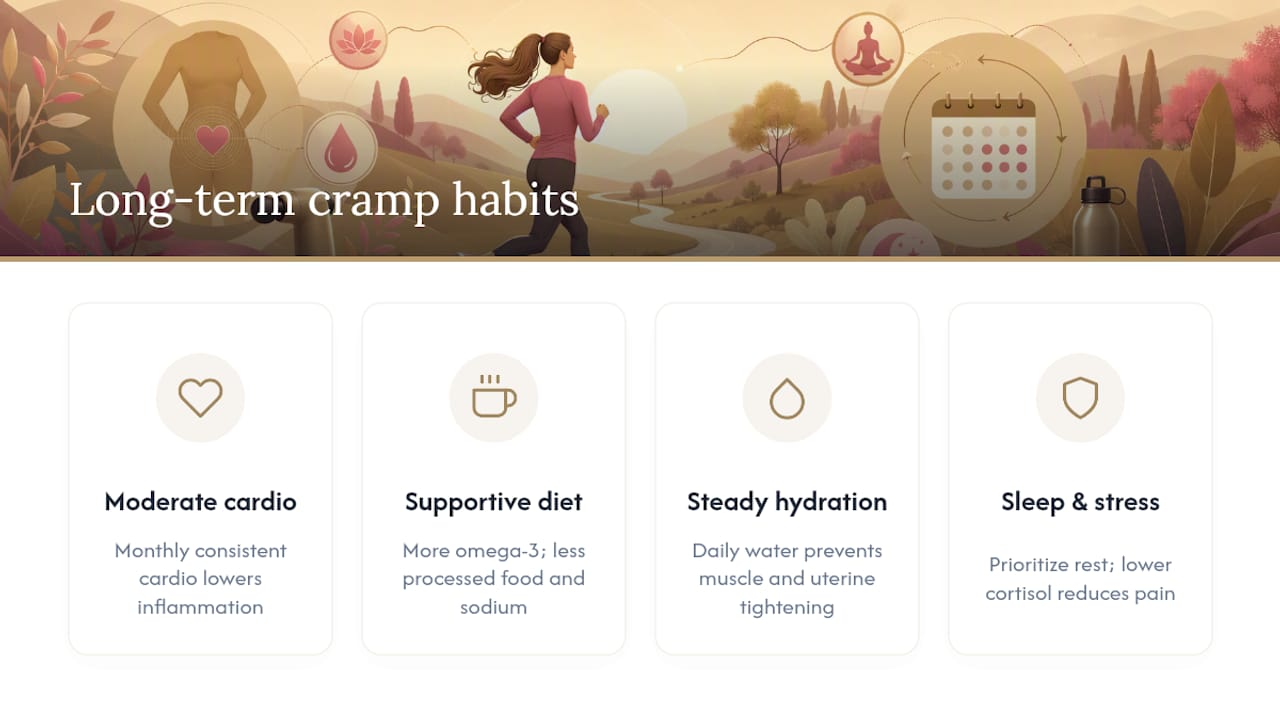
Training load matters year-round, not just during your period. Regular moderate cardio, done consistently across the month, appears linked to lower prostaglandin-driven inflammation over time, which can mean gentler cramps when your period arrives.
Diet plays a supporting role. Diets higher in omega-3 fatty acids and lower in processed foods and excess sodium are associated with reduced inflammatory markers, and reducing caffeine and alcohol in the days before your period can ease bloating that compounds cramp discomfort.
Hydration for runners and non-runners alike deserves more attention than it usually gets. Chronic mild dehydration keeps muscles, including the uterus, more prone to tightening. Aiming for steady water intake throughout your cycle, not just the day cramps hit, is a simple lever most people underuse.
Sleep and stress round out the picture. Poor sleep and chronically high cortisol both amplify pain sensitivity, so the weeks leading into your period are a reasonable time to prioritize rest over pushing through exhaustion.
None of these replace in-the-moment relief. They shift the baseline, so the cramps you do get are milder and shorter.
Should You Change Your Running Routine During Your Period?
Running injury prevention during your period comes down to matching intensity to how you actually feel, not to a fixed training plan. A few practical adjustments make the difference between a run that helps and one that backfires.
This isn’t a sign of weakness. It’s matching effort to a body that’s temporarily working harder just to manage inflammation.
Shorten the distance rather than skipping entirely. A 20-minute easy run often does more for cramp relief than a full rest day, thanks to the circulation and endorphin effects covered earlier, but a planned long run is a reasonable day to swap for something gentler.
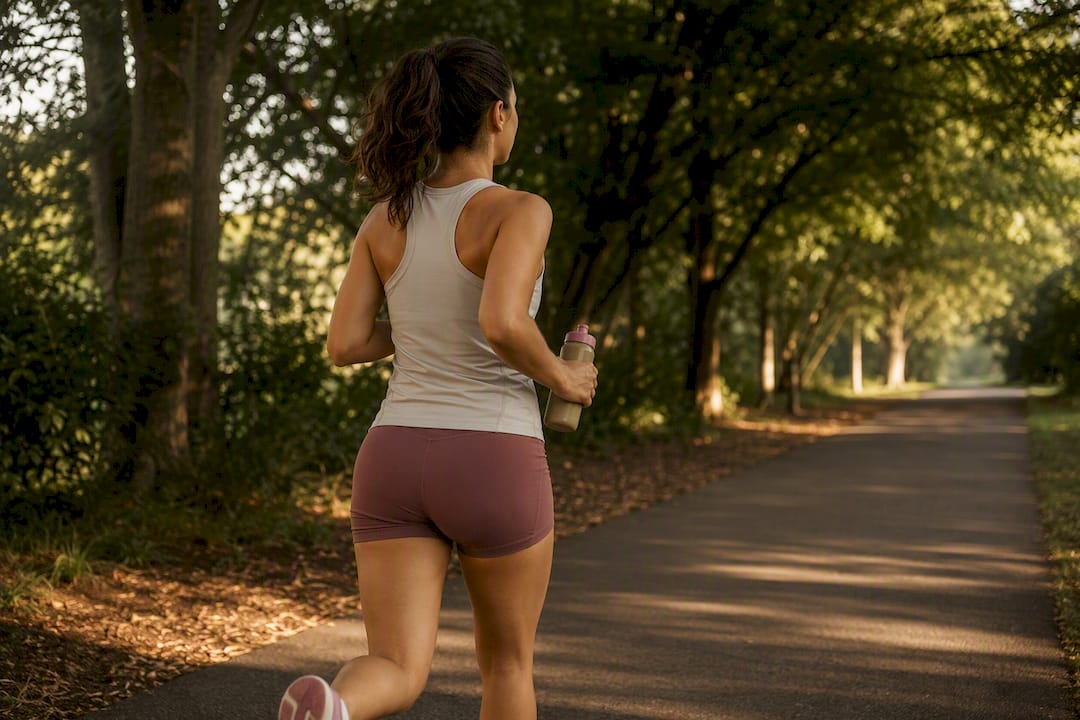
Avoid high-impact intervals or hill repeats during the heaviest cramping window. The jarring motion and heart rate spikes involved in interval training can intensify pelvic discomfort rather than ease it.
Watch your stride and posture. Cramping can cause an unconscious hunch forward, which tightens the hip flexors and can create secondary lower back tension. Runners managing cramps often benefit from the same mobility work used for general injury prevention. A hip mobility routine designed for runners can loosen the same muscle groups that tend to compensate during cramping. Pairing that with active recovery techniques on harder cramp days, like walking, light stretching, or foam rolling, keeps you moving without adding strain.
What Runners Are Actually Saying About Relief
People who switch to a cordless approach consistently mention the same thing: they stop having to choose between managing pain and getting through their day. Sitting still with a stationary hot pack works, but it also means sitting still, and that’s the part most people are trying to avoid in the first place.
Internal user data backs up what that convenience translates to in practice. That speed matters most in the exact moments this article is built around: mid-errand, mid-run, or five minutes before you need to walk out the door. A premium, discreet device also changes the emotional tone of the gift itself. When a partner picks something built for comfort rather than something grabbed at a drugstore checkout, it reads as noticing, not just problem-solving.
— Lavinia
A Drug-Free Option Worth Considering: NuFemme
If you’ve read this far, you already know what an effective cordless device needs: adjustable heat, gentle vibration, a slim profile, and a battery that lasts through a run or a full afternoon of errands. NuFemme was built around exactly that checklist, combining heat, massage, and red-light therapy in a single belt you wear under your clothes with no cord and no waiting at home for relief to kick in.
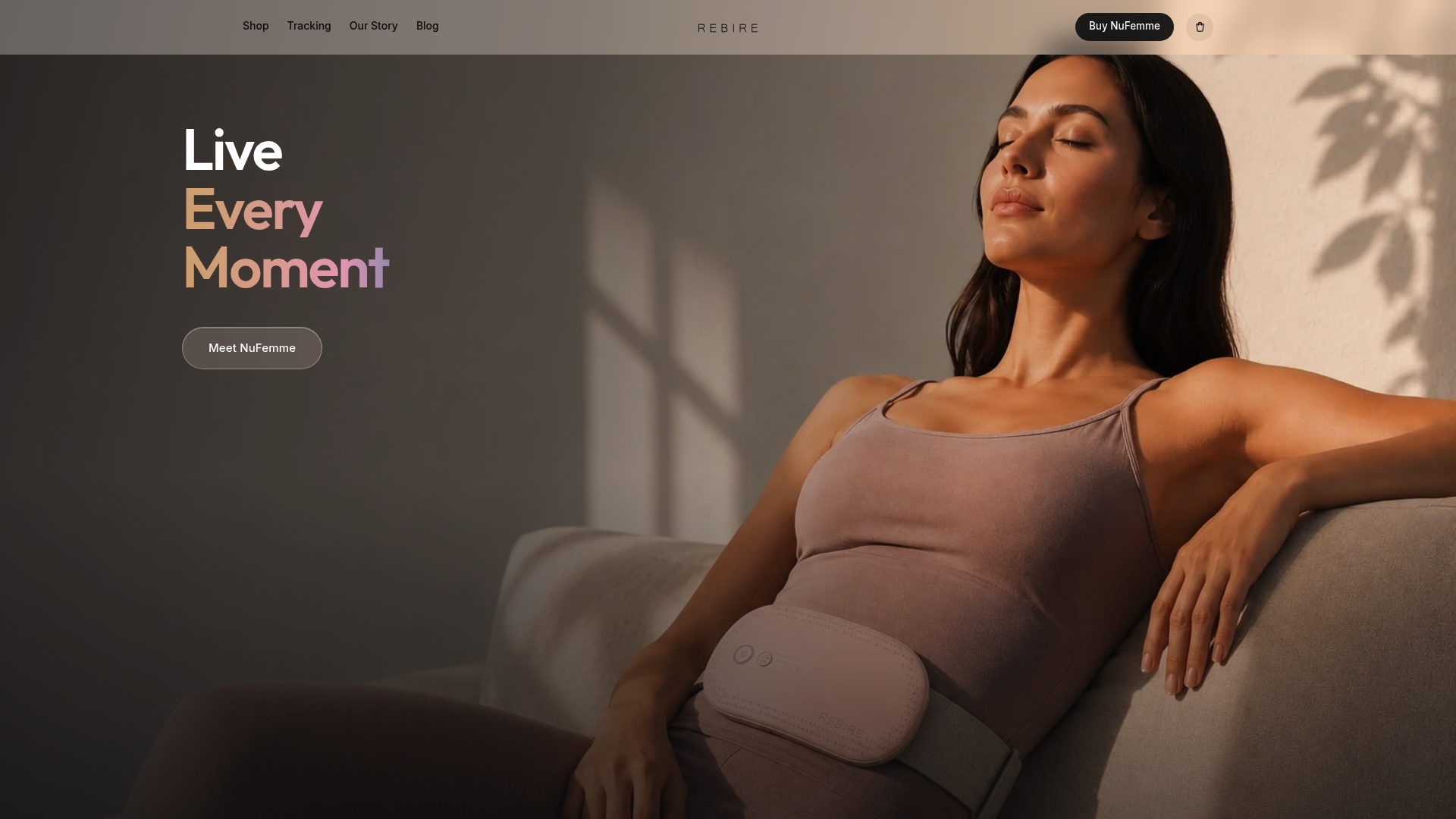
Three heat levels and three massage speeds mean you can dial in comfort whether you’re at a desk, on a light run, or just need ten quiet minutes to reset. It is available in a choice of finishes, which helps it work well as both a gift and a personal purchase. Choosing a thoughtful device over a last-minute drugstore item can show greater care and attention to the monthly experience. If you’re weighing it for yourself or shopping for someone else, the NuFemme collection page covers current options, and the mother-daughter gift page is worth a look if you’re buying for more than one person at once. Either way, the next step is simple: pick a finish and see how your first cycle with it feels.
Sources
The clinical backbone of this guide comes from a handful of trials: the FIR belt study on blood flow and pain, the combined vibration and heat trial, the TENS and thermotherapy review, and the low-level laser therapy trial. For more practical detail, Rebire’s guides on fast cramp relief methods and vibration therapy evidence go deeper on the topics covered here.
This article is general information, not a substitute for advice from a qualified doctor. Consult a qualified healthcare professional about your own circumstances before acting on anything here.
- EFFECT OF VIBRATION AND HEAT COMBINATION ON PRIMARY DYSMENORRHEA
- Effects of thermotherapy and transcutaneous electrical nerve stimulation on primary dysmenorrhea — PubMed (2019)
- Effects of 940 nm low-level laser therapy for primary dysmenorrhea (double-blind RCT, 2023)