

The best self care presents are the ones that slide into a real routine within a week of unwrapping: a restorative bath kit, a sleep-support tool, and a period-cramp relief wearable like NuFemme cover most people on your list. If you only remember three categories, remember these: something for the body at rest, something for the body at night, and something for the pain that regular gifts never address. Everything else in this guide builds out from there.
TL;DR:
- Self-care gifts that integrate seamlessly into existing routines, such as heat therapy wearables, sound machines, and guided journals, are the most effective.
- Physical relaxation gifts should combine sensory elements into simple actions, like sonic soaking kits and weighted heatables, to avoid creating additional chores.
- Sleep-related presents, such as adjustable light therapy lamps and properly weighted blankets, work best when targeted to specific sleep issues rather than promising overall improvement.
- Thoughtful mental well-being gifts include guided journals, mindfulness app subscriptions, and tactile grounding tools, with therapy gift cards only suitable for close relationships.
- NuFemme addresses a recurring, monthly pain point with a discreet, wearable belt that provides quick relief from cramps, making it a practical, ongoing gift idea.
Table of Contents
- What Are the Best Self Care Presents to Give or Get?
- What Relaxation Gifts Actually Create Calm at Home?
- Which Sleep Presents Actually Improve Rest?
- What Presents Support Mental Well-Being Without Overstepping?
- Should You Buy a Self-Care Box or a Subscription?
- When Do Experiences Beat Physical Gifts?
- What Are the Best Budget Self-Care Stocking Stuffers?
- How Do You Choose the Right Self-Care Present?
- Why NuFemme Belongs on a Self-Care Gift List
- A Note on Gifting Wellness With Care
- A Gift That Actually Shows Up Every Month
- Sources
What Are the Best Self Care Presents to Give or Get?
Skip the gadget that looks impressive on a gift table and gets used once. The strongest self care packages share one trait: they remove friction from an already-existing routine instead of asking the recipient to build a new one. That’s the logic behind Wirecutter’s own gift roundup, which leans hard into practical categories like bath, sleep, and journaling rather than novelty items. Here’s a shortlist that spans price points and moods.
- For the person who takes baths seriously: a bath tray or sonic soaking kit that turns a shower into an actual ritual, not a rinse.
- For the chronically under-slept: a sound machine or a set of blackout-friendly sleep accessories that require zero setup.
- For period pain that won’t quit: NuFemme, a cordless wearable using heat, massage, and red-light therapy under clothing, no cord and no waiting on a heating pad.
- For the overthinker: a guided journal with structured prompts rather than a blank notebook that feels like homework.
- For someone who needs permission to slow down: a weighted blanket, which some people find genuinely calming, according to Mayo Clinic.
- For the person glued to their phone: a mindfulness app subscription instead of one more object to store.
- For the minimalist: a single high-quality candle or hand cream, chosen for scent strength over volume.
- For a recurring reminder someone’s thinking of them: a self-care subscription box that lands monthly.
- For the desk-bound: an acupressure mat that fits under a chair and works in twenty minutes flat.
- For a partner who’s noticed the monthly struggle: NuFemme again, finished in Rose Gold or Ivory, which reads as intentional rather than last-minute.
- For the budget-conscious: a bundle of small, pocket-sized comfort items presented together in one box.
- For the person who has everything: an experience voucher, since time and attention are the one thing money can’t shortcut.
Notice what’s missing from that list: complicated tech, anything requiring an instruction manual, and anything that assumes a habit the recipient doesn’t already have. That restraint is deliberate. It’s also why NuFemme keeps showing up twice in different framings; it solves a problem instead of decorating a shelf.
What Relaxation Gifts Actually Create Calm at Home?
Physical relaxation gifts work best when they lower the number of decisions a tired person has to make. A bath kit that requires measuring out three separate products isn’t relaxing; it’s a chore with candles. The gifts that hold up over time tend to combine sensory elements into one simple action.
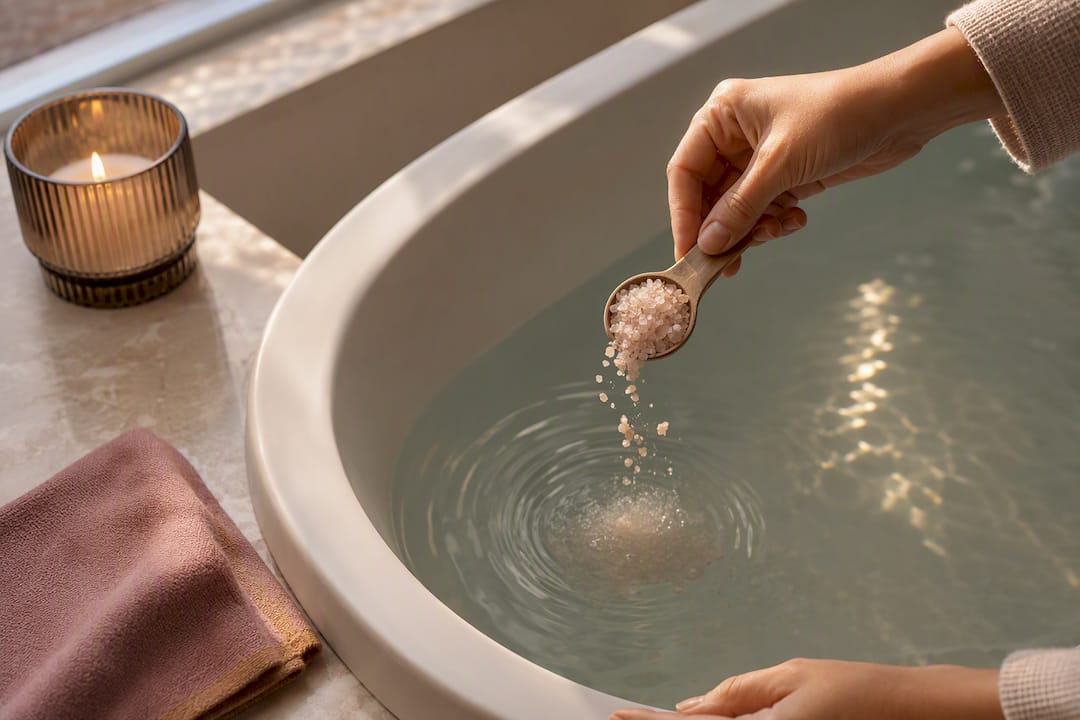
Sonic bathing accessories are a good example of this shift. Kits like the Ultimate Sonic Soaking Kit pair a bath pillow with immersive sound and a body soak, turning a fifteen-minute soak into something closer to a spa reset. Aromatherapy candles remain a reliable pick too, but scent strength matters more than most gift-givers realize. A candle that’s too strong for a small bathroom becomes a headache generator, not a stress reliever.
Heatable plush items and weighted heatables (the kind you microwave, not plug in) solve for a different kind of tension: the muscular kind. They’re especially good for gifting to someone who deals with shoulder or lower-back tightness and doesn’t want another lotion. Acupressure mats round out the category well, offering a tactile, almost uncomfortable-at-first sensation that a lot of people come to genuinely crave after a stressful week.
Quick checklist before buying:
- Size: a mat or pillow that doesn’t fit the recipient’s actual bathtub or floor space won’t get used.
- Material: natural fibers and hypoallergenic fillings age better and irritate fewer people than synthetic blends.
- Scent strength: lighter is almost always safer for a gift, since you can’t test-smell for someone else’s sensitivities.
- Sustainability: refillable or reusable components (glass jars, washable covers) extend the life of the gift past one use.
Pro Tip: If you’re unsure about scent preference, buy the unscented or lightly scented version of any bath or candle gift. Nobody has ever complained that a candle was too subtle.
Which Sleep Presents Actually Improve Rest?
Sleep gifts earn their keep by solving one specific problem, not by promising a vague “better night’s sleep.” A light therapy lamp helps someone struggling with a dark winter morning routine. A sound machine helps someone who lives near traffic noise or a snoring partner. Matching the gift to the actual sleep complaint, rather than sleep in general, is what separates a used gift from a drawer decoration.
Weighted blankets deserve specific mention here because the evidence behind them is more concrete than most wellness trends. Mayo Clinic reports that weighted blankets may reduce anxiety and help some people fall asleep more easily, though they’re not a universal fix. They’re worth skipping for anyone with certain respiratory or circulatory conditions, so check before gifting one to someone with a known health issue.
A high percentage of NuFemme users reported reduced pain within 15 minutes of use, according to internal brand data. That kind of speed matters for a bedtime gift too: a slow-acting comfort tool doesn’t help someone trying to fall asleep through cramping.
Practical buying pointers:
- Light therapy lamps: look for adjustable lux levels rather than a single fixed brightness.
- Sound machines: choose one with a genuine white-noise or nature-sound profile, not a looped MP3 that clicks at the seam.
- Bedding: prioritize washable, breathable materials over anything marketed purely as “luxury.”
- Weighted blankets: match the weight to roughly 10% of the recipient’s body weight for the most comfortable fit.
A well-chosen sleep gift with proper bedding fundamentals can make a bigger difference than a stack of smaller items, which Guestly Sleep’s guidance on sleep wellness backs up with a simple point: the bed itself is the foundation everything else sits on.
What Presents Support Mental Well-Being Without Overstepping?
Some of the most meaningful self care gift guide picks aren’t objects at all, they’re tools that make emotional processing a little easier. Guided journals with structured prompts work better than blank notebooks for most people, because they remove the “what do I even write” paralysis. Mindfulness app subscriptions do something similar for meditation.
The evidence here isn’t just anecdotal. Peer-reviewed research summarized in PMC points to measurable benefits from mindfulness-based practices and simple journaling on stress and mood, which is exactly the kind of grounded claim you want behind a gift, not a marketing slogan.
Fidget and grounding tools, like textured stones or tactile rings, work well for anxious hands during a stressful season. A therapy session gift card is appropriate in specific, close relationships, but it requires real judgment about the recipient’s openness to therapy. Giving one to someone who hasn’t expressed interest in counseling can come across as presumptuous rather than supportive.
If a friend or family member is in crisis, a product is never the answer. The 988 Suicide & Crisis Lifeline and Crisis Text Line exist precisely because some situations need a trained person, not a candle.
Keep these in mind:
- Guided journals work better than blank ones for most first-time journalers.
- Mindfulness subscriptions remove the friction of hunting for a free app that actually works.
- Fidget tools are low-cost, low-risk additions to any stress-relief gift bundle.
- Therapy gift cards belong in close relationships only, framed as an offer, never an obligation.
If mental health concerns seem serious, the 988 Lifeline and Crisis Text Line are the resources to point someone toward, not a wellness product.
Should You Buy a Self-Care Box or a Subscription?
The choice between a one-time hamper and a recurring subscription comes down to how often the recipient wants to be reminded someone’s thinking of them, versus how much personalization they actually want in a single package.
- One-off hampers offer more control. You pick every item, which means better personalization for allergies or scent preferences, but the experience ends after one unboxing.
- Subscriptions offer surprise and consistency. A new box every month keeps the gift going long after the occasion has passed, though you give up some control over exactly what shows up.
- Hybrid gifting works well too: pair a smaller one-off box for the immediate occasion with a short-term subscription (three months, not a year) so the gift has a clear ending point.
Whichever route you choose, look closely at what’s actually inside. Full ingredient disclosure matters, especially for anyone with skin sensitivities or fragrance allergies. Sample-sized products can feel like padding if the box is mostly trial sizes, while a few full-size items signal the brand trusts its own product. Sustainable, recyclable packaging is increasingly the norm rather than the exception, and it’s worth checking before buying from a box you haven’t seen in person.
Personalizing a box is simpler than it sounds. Most curated self-care packages let you swap out one or two items during checkout, and a short note flagging allergies or fragrance sensitivities to the seller (if it’s a smaller, boutique brand) usually gets honored.
When Do Experiences Beat Physical Gifts?
Physical self care presents run out. Experiences don’t, and that’s exactly why they land differently for some recipients. A massage or float-tank voucher gives someone permission to take an hour they’d otherwise feel guilty about carving out. A creative class, pottery, painting, a cooking workshop, hits a different note: it’s self-care that produces something tangible at the end.
The trick is matching the experience to the recipient’s actual schedule, not an idealized version of their free time. A new parent with unpredictable hours needs a flexible-date voucher, not one that expires in thirty days. Someone who hates crowds probably won’t enjoy a group workshop, no matter how relaxing it sounds on paper.
- Massage or float vouchers work well for recipients who already say they “need to relax” but never book anything for themselves.
- Creative classes suit people who process stress through making things with their hands.
- Bespoke ritual kits, a custom bundle of a candle, tea, and journal chosen around someone’s specific taste, feel more personal than a pre-made box.
- Flexible-date certificates remove the pressure of a ticking clock on an experience gift.
Presentation matters more for experience gifts than for physical ones, since there’s no object to unwrap. A printed certificate, a short handwritten note explaining why you picked this specific experience, and clear instructions on how to redeem it turn an abstract voucher into something that feels considered.
What Are the Best Budget Self-Care Stocking Stuffers?
Not every self care gift needs a big price tag to feel thoughtful. Small, affordable items work because they slot into a daily routine without asking for a lifestyle change. A lip balm gets used every day. A sleep mask solves a specific annoyance on flights or bright mornings. A pocket-sized journal fits in a bag without adding weight or bulk.
- Lip balms and hand creams: cheap, practical, and used almost daily.
- Sleep masks: solve light pollution problems instantly, no adjustment period.
- Aromatherapy sachets: tuck into a drawer or bag for a subtle, ongoing scent boost.
- Pocket journals: low commitment compared to a full-size guided journal.
- Heatable plushies or hot/cold packs: small, tactile comfort items that multiple gift roundups treat as reliable stocking-stuffer staples.
Presentation elevates cheap items fast. A small drawstring bag or a repurposed tin turns three dollar-store items into something that looks curated. Bundling five or six small pieces into one mini-package, tied together with a ribbon or nested in tissue paper, reads as far more generous than the individual price tags suggest. If you’re buying for a friend group or coworkers, this bundling approach also scales cheaply without looking like you cut corners.
How Do You Choose the Right Self-Care Present?
Before buying, run through a short mental checklist. It takes thirty seconds and prevents most gift-giving mistakes.
- Does it fit an existing routine? A gift that requires building a brand-new habit is a bigger ask than most people realize.
- Do you know their sensory preferences? Scent strength, texture, and even sound sensitivity vary wildly between people.
- How much setup does it require? Editors consistently favor low-friction gifts that deliver a calming result fast, not gadgets with a learning curve.
- What’s the budget, realistically? A thoughtful five-dollar item beats an impersonal fifty-dollar one every time.
- Are there health flags to consider? Weighted blankets, certain scents, and heat-based tools aren’t right for every body.
For sensitive gifts, tone matters as much as the object itself. If you’re giving a period-relief product, keep the note simple and warm rather than clinical: something like, “I know this time of the month is rough, I wanted you to have something that actually helps.” No apology needed, no over-explaining. The same logic applies to a therapy gift card: frame it as an offer, not a diagnosis.
Pro Tip: When gifting anything related to pain relief or mental health, write the note before you wrap the gift. It’s easier to strike the right tone on paper than to improvise it while someone’s opening the box.
Why NuFemme Belongs on a Self-Care Gift List
Most self care gift guide picks address comfort in general terms. NuFemme addresses a specific, recurring pain that regular gifts routinely ignore. It’s a cordless wearable belt combining heat therapy, vibration massage, and red-light (infrared) therapy, worn discreetly under clothing so the recipient isn’t stuck waiting at home for a plug-in heating pad to warm up.
A high percentage of users report reduced pain within 15 minutes of using NuFemme, a speed that matters for anyone trying to get through a workday or a commute without stopping everything to manage cramps.
Three heat levels and three massage speeds let the wearer dial in their own comfort, whether they’re at a desk, running errands, or just need five quiet minutes to recover. That flexibility is part of what makes it work as a gift rather than a one-size-fits-all object. Finished in elegant colors, it reads as intentional, the kind of present that signals a partner has actually paid attention to what someone deals with every month, not a rushed drugstore grab.
A few ways to gift it well:
- Pair it with a short, warm note rather than a clinical explanation of the product features.
- Present it in its original packaging rather than repackaging it into generic gift wrap; the branding itself reads as premium.
- Pair it with something soft, like a heatable plush or a small comfort item, for a layered gift that doesn’t feel like a single-purpose medical device.
For more on gifting period-relief items thoughtfully, see Rebire’s guide to period self-care gifts and its companion piece on period gift ideas that actually help.
A Note on Gifting Wellness With Care
Gifting anything related to a body’s pain, sleep, or mental state requires a slightly different tone than gifting a sweater. The object matters less than what it signals: that you noticed something specific about this person’s life and thought about it before you bought anything.
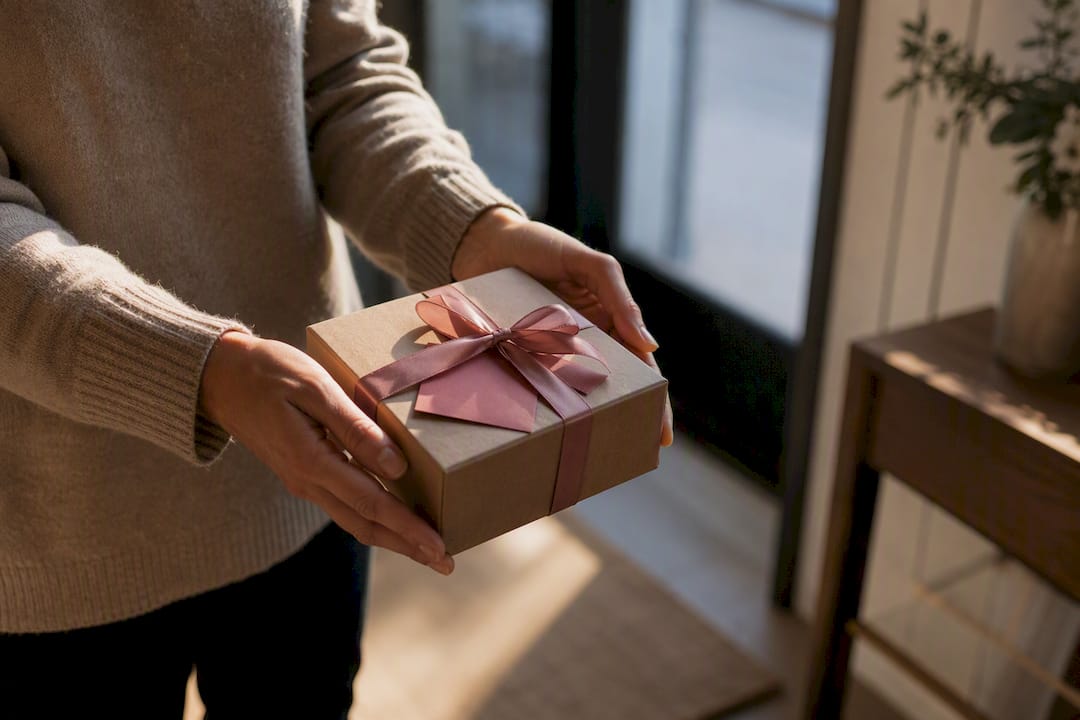
Consent matters here too. A wellness gift should never feel like an accusation, “you seem stressed,” or “you clearly need to relax more.” Frame it instead as an offer: something you thought they might enjoy, not something you think they need. That small shift in wording changes how a gift lands almost every time.
A short, printable checklist worth keeping on hand:
- Does the gift solve a real, specific problem this person has mentioned?
- Have you considered their sensory preferences, not just your own taste?
- Is the note warm and light, not clinical or presumptuous?
- Would this gift still feel appropriate if they opened it in front of someone else?
Presentation should match the intimacy of the gift. A period-relief wearable or a therapy gift card deserves a private moment, not a group unwrapping session.
— Lavinia
A Gift That Actually Shows Up Every Month
Most self care presents get used once or twice before they end up in a drawer. NuFemme is built for the opposite: a cordless wearable that goes under clothing and stays useful every single cycle, not just on the day it was unwrapped. That’s the real advantage over a candle or a bath set, it addresses a problem that returns monthly, with heat, massage, and red-light therapy in one belt instead of three separate purchases.
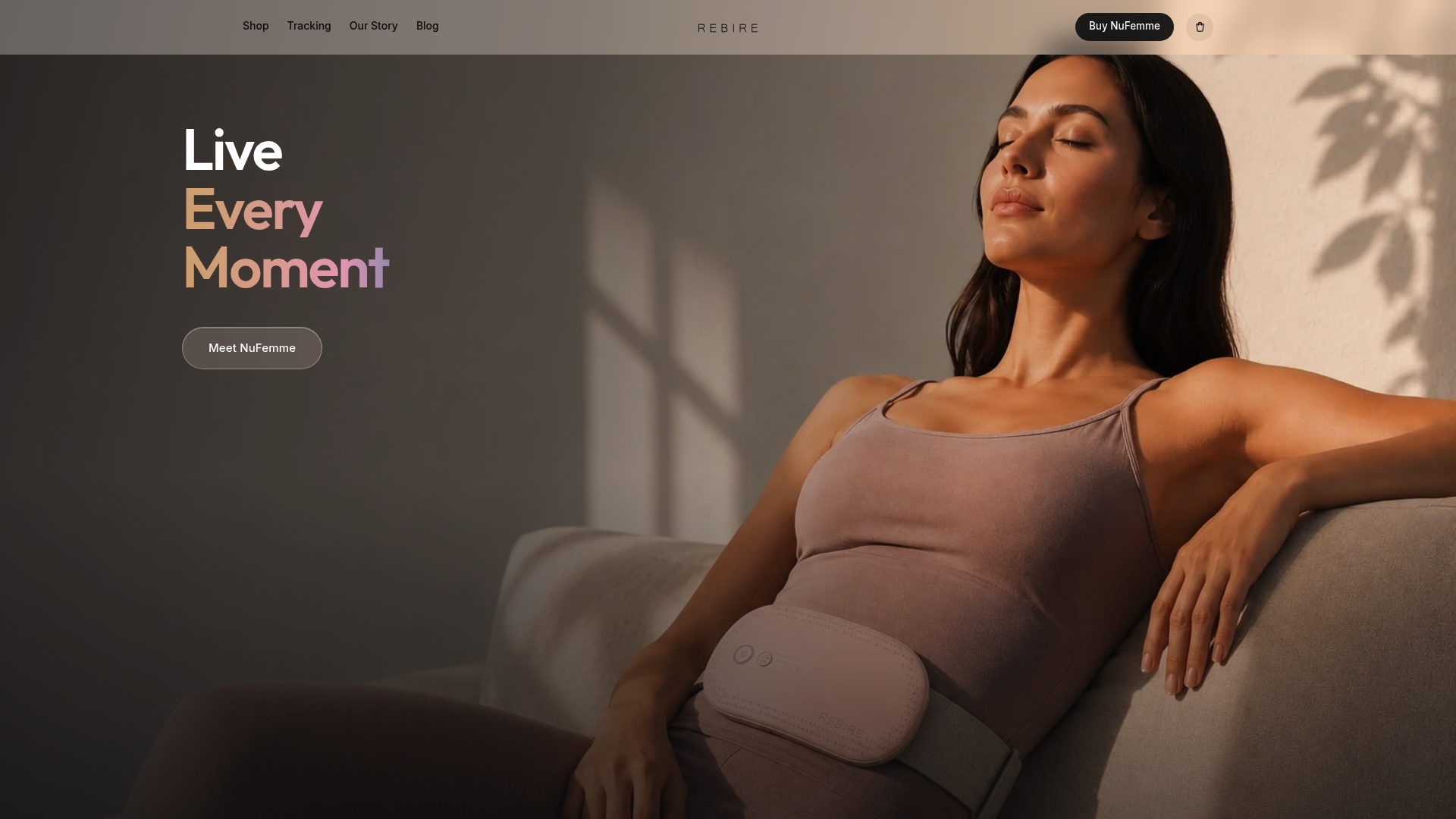
Whether you’re buying for yourself or for someone whose monthly struggle you’ve actually noticed, NuFemme’s workday relief page shows how the device fits into a normal day at a desk or on the move. If you’re shopping for a specific occasion, the main product page walks through the Rose Gold and Ivory finishes, the three heat and massage settings, and how to choose the right one before checkout.
Sources
- PMCID article on mindfulness and mental health benefits
- Mayo Clinic News Network — How weighted blankets may lift anxiety