

Prostaglandins released from your uterine lining are the main driver of typical period cramps, and that single fact points straight to what works. The fastest evidence-backed relief comes from scheduled NSAIDs and topical heat, with TENS or a heat-and-massage wearable as useful extras. If your pain is disabling, getting worse over time, or changing in pattern, it’s worth talking to a clinician.
TL;DR:
- Start an NSAID one to two days before an expected period, if predictable, and take it on schedule through the first 48 to 72 hours.
- People with ulcers, kidney problems, or cardiovascular disease should consult a clinician before regular NSAID use because gastrointestinal risks rise with dose and duration.
- Apply topical heat to your lower abdomen for 20 to 30 minutes, and clinical trials support short term relief from cramps.
- Combined oral contraceptives or progestin only options can reduce endometrial prostaglandin production and may suit people seeking contraception or ongoing relief for persistent symptoms.
- Seek clinical advice if pain suddenly changes, worsens over time, starts after age 25, occurs outside your period, or remains disabling despite home treatment.
Table of Contents
- How prostaglandins cause menstrual cramps
- What prostaglandin-driven cramps feel like
- Why prostaglandin levels vary from person to person
- Evidence-based medical treatments for prostaglandin pain
- Nonpharmacologic options backed by evidence
- How wearable heat, massage, and infrared devices fit in
- How heat, massage, and infrared ease prostaglandin pain
- A few honest next steps to try this cycle
- A discreet option worth considering alongside your routine
- FAQ
- Sources
How prostaglandins cause menstrual cramps
Right before and during your period, cells in your uterine lining release compounds called prostaglandins, mainly PGF2α and PGE2, to help trigger the contractions that shed the lining. This is a normal process, but when prostaglandin levels run high, the contractions get stronger and more frequent than they need to be.
That’s where the pain comes from. Intense contractions briefly cut off blood flow to the uterine muscle, a state called ischemia, and that oxygen deprivation sensitizes the nerve fibers that signal pain. Clinical references identify prostaglandins, especially PGF2α, as a primary mediator of this pathway, and elevated levels show up consistently in the menstrual fluid of people with painful periods.
The picture isn’t entirely simple, though. Research sampling menstrual effluent directly has found a few important nuances:
- People with dysmenorrhea tend to show higher PGF2α in their menstrual fluid, but the link to pain severity is only moderate.
- Other inflammatory compounds, including 12-HETE and leukotrienes, also rise alongside prostaglandins and appear to contribute to pain independently.
- This suggests prostaglandins are a major piece of the puzzle, not the whole explanation, which is part of why some people don’t get full relief from prostaglandin-targeted treatment alone.
What prostaglandin-driven cramps feel like
Prostaglandin-pattern cramps follow a fairly predictable timeline: they start right at or just before bleeding begins, peak within the first 24 hours, and typically ease up within 8 to 72 hours.
- Cramping centers low in the abdomen and often radiates into the lower back or thighs.
- Nausea, diarrhea, headache, or lightheadedness commonly ride along with the cramping, since prostaglandins affect smooth muscle elsewhere in the body too, which explains why your gut gets involved along with your uterus.
- Watch for red flags: a sudden shift in your usual pattern, new or worsening pain after age 25, or symptoms that suggest something beyond typical cramps, such as pain outside your period, deserve a closer look from a clinician.
Why prostaglandin levels vary from person to person
Not everyone makes the same amount of prostaglandin, and the differences help explain why some people barely notice their period while others are sidelined for days.
- A heavier menstrual flow tends to correlate with a higher total prostaglandin load, since more endometrial tissue is being shed and signaling at once.
- Underlying conditions like endometriosis or adenomyosis can upregulate prostaglandin synthesis well beyond what’s typical, which is one reason pain from these conditions often feels different and more persistent.
- Day-to-day factors like stress, sleep quality, and diet may influence inflammatory signaling more broadly, though the evidence connecting them directly to prostaglandin output is still mixed rather than settled.
If you’ve noticed your cramps have gotten steadily worse over the years rather than staying consistent, that pattern alone is worth mentioning to a doctor, since it can point toward a condition like endometriosis rather than typical primary dysmenorrhea.
Evidence-based medical treatments for prostaglandin pain
NSAIDs work by blocking the COX enzymes your body uses to produce prostaglandins in the first place, which is why they target the root cause rather than just masking pain. Randomized evidence shows NSAIDs outperform both placebo and acetaminophen for dysmenorrhea, with a substantially greater proportion of users getting relief compared to placebo.
Timing matters as much as the drug itself:
- Start your NSAID one to two days before your period is expected, if your cycle is predictable enough to anticipate it.
- Take it on a fixed schedule through the first 48 to 72 hours rather than waiting until pain builds, since scheduled dosing controls prostaglandin production more consistently than as-needed use.
- Reassess with your clinician if you need more than the recommended dose or duration to get comfortable.
For people who want ongoing suppression rather than cycle-by-cycle dosing, combined oral contraceptives or progestin-only options reduce endometrial prostaglandin production directly and can be a reasonable choice when you also want contraception or have persistent symptoms month after month. If you’re exploring that route, it helps to know what to expect for timing and relief once you start hormonal birth control.
NSAIDs aren’t risk-free for everyone. They carry gastrointestinal risks that rise with dose and duration, and anyone with a history of ulcers, kidney issues, or cardiovascular disease should talk to a clinician before relying on them regularly.
Pro Tip: Set a recurring phone reminder two days before your expected period so you never miss the early dosing window that makes NSAIDs work best.
Nonpharmacologic options backed by evidence
Medication isn’t the only path, and several non-drug approaches have real research behind them.
- Topical heat delivers consistent, meaningful short-term pain relief in clinical trials, with sessions of 20 to 30 minutes directly on the lower abdomen working well for most people.
- Regular exercise, about 45 to 60 minutes roughly three times a week across the whole month, is linked to meaningfully lower pain intensity, though the benefit during the period itself is less consistent.
- TENS units show benefit for some users in randomized trials, though response varies enough that it’s worth trying before committing to one.
- Omega-3 supplements and herbal remedies show mixed results across reviews, with some studies reporting a benefit and others finding insufficient evidence, so it’s worth discussing with your clinician rather than assuming a supplement will fix things on its own.
Topical heat is one of the better-supported nonpharmacologic options, showing up repeatedly across trials as a low-risk way to ease cramping alongside whatever else you’re trying. For more drug-free strategies worth testing, our guide to easing period pain without medication walks through several at once.
How wearable heat, massage, and infrared devices fit in
A cordless wearable that combines heat and massage draws on two of the better-studied nonpharmacologic approaches and pairs them with infrared light in one device you can wear under clothes.
- Heat relaxes the uterine muscle and improves local blood flow, directly countering the ischemia that prostaglandins cause.
- Mechanical massage adds a second layer of muscle relaxation and can help interrupt the pain signal at the nerve level.
- Infrared light penetrates into tissue and is used alongside heat and massage as a complementary, drug-free layer of relief.
- Wearing one during a workday, while running errands, or during quiet downtime lets you adjust settings to match how intense your cramps feel in the moment.
A wearable like this works as an adjunct, not a replacement, for medical care. If your pain is severe, worsening, or doesn’t fit the typical pattern, that calls for a clinician visit regardless of what relief tools you’re using at home.
How heat, massage, and infrared ease prostaglandin pain
Each of these three tools addresses a different part of the pain pathway, which is part of why combining them tends to feel more effective than any single approach alone.

Heat works on the muscle directly. Warming the lower abdomen relaxes the smooth muscle of the uterus, easing the intensity of contractions and restoring blood flow to tissue that prostaglandins have temporarily constricted. That improved circulation is what reduces the ischemia driving much of the sharpest pain.
Massage adds a mechanical layer on top of that. Gentle, rhythmic pressure helps relax the surrounding abdominal and lower back muscles that tense up in response to cramping, and it can interrupt pain signals through the same gate-control mechanism that makes rubbing a sore muscle feel better.
Red-light, or infrared, therapy works differently again. It delivers light energy that penetrates below the skin’s surface, and it’s used as a complementary layer alongside heat and massage rather than as a standalone fix. None of these three tools block prostaglandin production the way an NSAID does. Instead, they work on the downstream effects, the muscle tension, restricted blood flow, and nerve sensitization, that prostaglandins set off. That’s exactly why they pair well with medication rather than compete with it: one approach targets the cause, the others calm the physical response.
A few honest next steps to try this cycle
Start simple. If NSAIDs are safe for you, begin dosing a day or two before your period and keep it scheduled through day two or three rather than reactive. Add a heat session in the evening and log your pain level, what you tried, and when.
Bring that log to your next appointment if cramps are still running your week. Don’t talk yourself into thinking debilitating pain is just something to push through.
— Lavinia
A discreet option worth considering alongside your routine
If you’ve been reaching for a heating pad that tethers you to the couch, NuFemme gives you the same warmth, plus massage and red-light therapy, in a cordless belt you can wear under your clothes at a desk, on errands, or anywhere your day takes you.
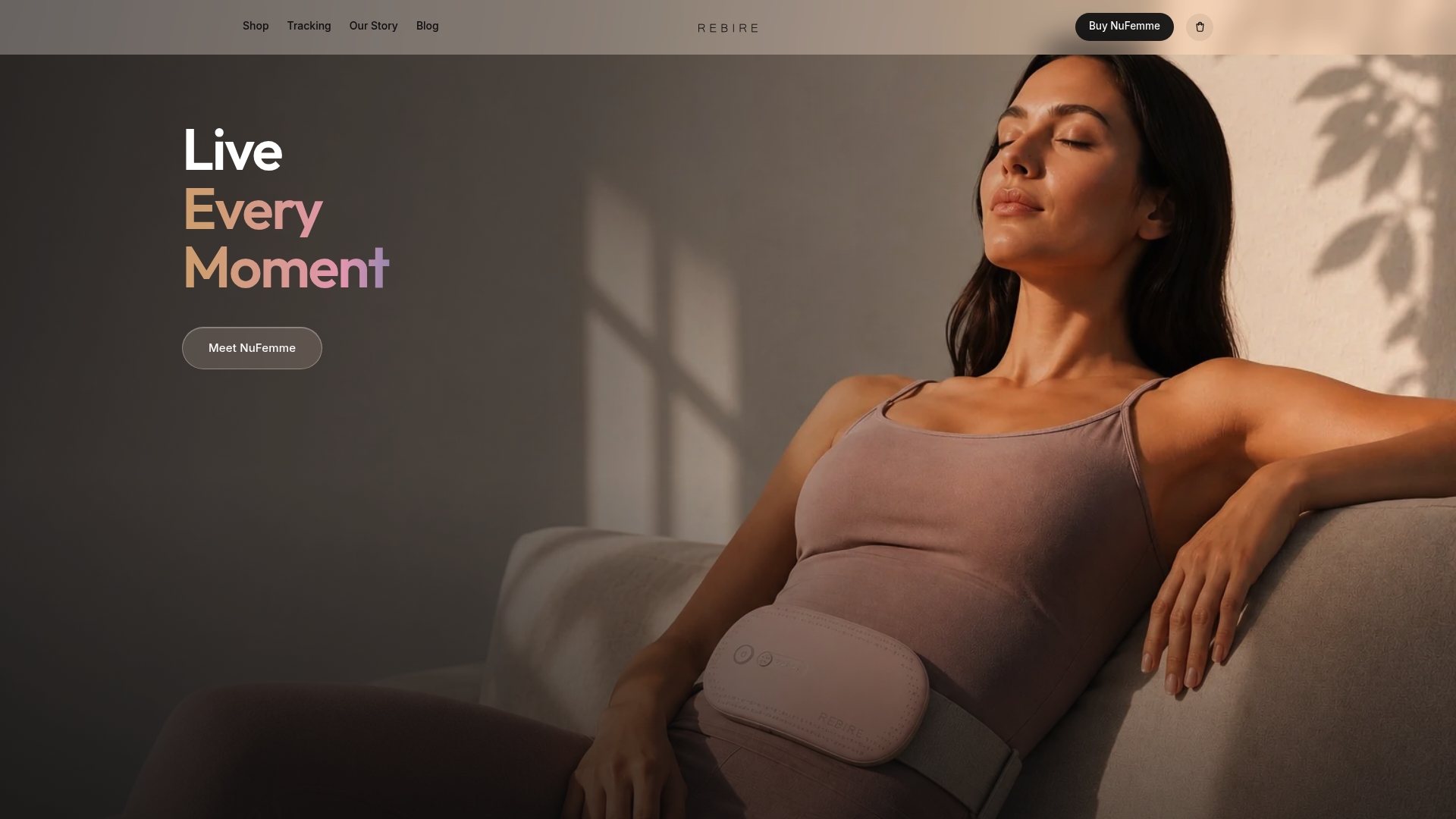
- Three heat levels and three massage speeds let you match the intensity to how your cramps feel that day, rather than settling for one fixed setting.
- It’s built to complement NSAIDs and other relief strategies, not replace them, so you can layer it into whatever routine already works for you.
- A high percentage of users report feeling less pain within 15 minutes of use, according to the brand’s own user data rather than an independent clinical trial.
- It is offered in elegant finishes and can serve as a thoughtful gift beyond typical last-minute options.
If severe or worsening pain is part of your pattern, pair any relief tool with a conversation with your clinician. For the full details and to see current pricing, visit the NuFemme product page.
This article is general information, not a substitute for advice from a qualified doctor. Consult a qualified healthcare professional about your own circumstances before acting on anything here.
FAQ
What does prostaglandin pain feel like?
Prostaglandin-driven cramps feel like intense, cramping pressure low in the abdomen that can radiate to the back or thighs, often starting right before or at the onset of bleeding and peaking within the first day. Nausea, diarrhea, headache, or dizziness frequently come along with it, since prostaglandins affect smooth muscle in the gut as well as the uterus.
What causes higher prostaglandins during your period?
Prostaglandin release rises naturally as your uterine lining sheds, and a heavier flow tends to correlate with a higher total prostaglandin load. Underlying conditions such as endometriosis or adenomyosis can push levels higher still, which is part of why their pain often feels more intense or persistent than typical cramps.
How can I lower my prostaglandins during my period?
NSAIDs taken on a scheduled basis starting a day or two before your period block the COX enzymes responsible for prostaglandin production. Topical heat and regular exercise across the month are well-supported nonpharmacologic complements, while a heat and massage wearable like NuFemme can add drug-free relief on top of either approach.
How do I know if my prostaglandins are high?
There’s no simple home test for prostaglandin levels, but a pattern of intense cramping alongside nausea, diarrhea, or back pain that starts right as bleeding begins is a strong clinical clue. If pain is severe, worsening year over year, or doesn’t respond to NSAIDs as expected, that’s worth discussing with a clinician, since it may point toward a condition like endometriosis rather than typical primary dysmenorrhea, a distinction fertility specialists sometimes help clarify in cases involving endometriosis.
Sources
- Non-steroidal anti-inflammatory drugs for dysmenorrhoea — Cochrane
- Dysmenorrhea | StatPearls | NCBI Bookshelf
- Inflammatory mechanisms of dysmenorrhea: novel insights from menstrual effluent in an adolescent cohort — PMC