

The best foods for period cramps are anti-inflammatory ones: omega-3 sources like salmon and walnuts, magnesium-rich greens and nuts, calcium-rich yogurt and broccoli, plus fiber and plenty of fluids. Cutting back on salt, sugar, caffeine and alcohol helps too. Food is a supportive tool, and for moderate to severe pain it works best alongside heat and the medicines your clinician recommends.
TL;DR:
- Build these foods into regular meals before your period rather than starting when pain begins; micronutrient benefits appear to depend on consistent intake over time.
- Limit salty processed foods, sugary snacks, caffeine, and alcohol; salt can worsen water retention, while caffeine and alcohol may contribute to dehydration and muscle spasms.
- Vitamin D supplements reduced pain in clinical trials, but food supplies little vitamin D; ask a clinician to check your levels before taking supplements.
- Seek medical advice for worsening, sudden severe, or disruptive pain; NSAIDs are first line, and heat or aerobic exercise can complement clinician guidance.
- Track foods, pain, and bloating for two or three cycles, changing one habit at a time; tailor choices around allergies, digestion, and medications.
Table of Contents
- 1. Which foods and drinks may ease period cramps?
- 2. What should you avoid eating during your period?
- 3. How does diet actually reduce cramps?
- 4. What does a day of cramp-friendly eating look like?
- 5. When is diet alone not enough?
- 6. Does meal timing and frequency matter for cramps?
- 7. How do you tailor food choices to your body and cycle?
- 8. Can gut health and probiotics affect menstrual discomfort?
- 9. Why I encourage small, trackable experiments
- 10. A thoughtful gift for someone who deals with cramps every month
- FAQ
- Sources
1. Which foods and drinks may ease period cramps?
Cramps are a real pain, literally, so let’s start with what you can put on your plate. Public health experts at the University of Queensland recommend a diet built on complex carbohydrates, fiber and anti-inflammatory nutrients, including omega-3 foods, magnesium sources and calcium-rich choices. Here is how that looks in everyday eating:
- Omega-3 foods: salmon, sardines, walnuts, chia and flaxseed. Try baked salmon with lemon, or chia stirred into yogurt overnight.
- Magnesium-rich foods: spinach, almonds and legumes. Magnesium supports muscle relaxation, so a handful of almonds or a bowl of lentil soup is an easy snack or meal.
- Calcium-rich foods: yogurt, fortified plant milk and broccoli. Add a yogurt cup at breakfast or steam broccoli with dinner.
- Fiber and cruciferous vegetables: broccoli and cauliflower are highlighted for supporting the liver pathways that clear excess estrogen. Increase portions slowly so you avoid gas, and eat them consistently rather than only when cramps hit.
- Ginger, turmeric and cinnamon: use ginger in tea, turmeric in soups or smoothies, and cinnamon in oatmeal. Trial results vary, so treat them as pleasant extras, not cures.
- Hydrating foods and drinks: water, cucumber, melon, oranges and soothing teas. Peppermint tea is a comforting option, and this look at peppermint tea and bloating explains what trials have found.
Vitamin D deserves a note of its own, because few foods supply much of it. The research points to supplements rather than meals, so ask your clinician to check your levels before you start any.
For magnesium specifically, our guide on magnesium for period cramps goes deeper into food and supplement considerations.
A meta-analysis of randomized trials found a significant drop in pain scores (SMD: -1.404) for people taking vitamin D compared with placebo. That is a meaningful signal, and it shows why checking your vitamin D status is a sensible first step.
2. What should you avoid eating during your period?
Some everyday foods can make you feel worse. Health authorities advise limiting salt, sugar and processed foods, and cutting back on caffeine and alcohol. Salt increases water retention, and caffeine and alcohol can worsen dehydration and muscle spasms.
- Salty, processed foods: chips, instant noodles and deli meats can add to bloating. Swap in unsalted nuts or home-roasted chickpeas.
- Sugary snacks and refined carbs: these can spike and crash your blood sugar. Choose fruit with yogurt or oatmeal with cinnamon.
- Caffeine: it is thought to narrow blood vessels, which may limit blood flow and increase cramp intensity. Have your coffee earlier in the day, or switch to herbal tea.
- Alcohol: it acts as a diuretic, so it can raise your risk of dehydration, a known trigger for muscle spasms. Water or herbal tea is the better choice.
- Spicy or greasy meals: these can stir up digestive symptoms. Use milder seasoning and balance your plate.
Here is a quick order of operations when a craving hits:
- Drink a full glass of water first, since thirst often feels like hunger.
- Pick the swap from the list above that sounds closest to what you wanted.
- Pair it with protein or fiber so it keeps you full.
- Save the indulgence for a day when you feel better, and enjoy it without guilt.
3. How does diet actually reduce cramps?
Period cramps are driven largely by prostaglandins, compounds that make the uterus contract. Anti-inflammatory foods may help moderate that process, which is why omega-3s sit at the top of most lists.

The evidence is encouraging but gradual. A systematic review and meta-analysis of vitamin D supplementation found reduced severity of primary dysmenorrhea pain, and some trials used weekly high-dose regimens under study conditions. Other micronutrients show promise too: a systematic review on micronutrients points to calcium, magnesium, vitamin E and zinc, plus ginger and omega-3s, though results vary and larger trials are still needed to set firm dosing.
Timing matters. Micronutrients like vitamin D, E and calcium appear to help most with consistent intake rather than a one-time dose, so think of food as a long-term strategy.
Hydration matters as well:
- Research on hydration across the menstrual cycle shows mild hypohydration can increase pain sensitivity.
- Fluid regulation shifts during the menstrual phase, so staying hydrated may change how pain feels.
- Water, herbal tea and water-rich fruits and vegetables all count.
- Setting a water bottle where you can see it is a simple, realistic habit.
Set expectations kindly: give any change a few cycles before you judge it.
4. What does a day of cramp-friendly eating look like?
Here is a simple three-day template you can adapt. Each day has breakfast, lunch, dinner and two snacks.
- Day one: chia yogurt with berries; spinach and white bean soup; baked salmon with broccoli; almonds and a clementine for snacks.
- Day two: oatmeal with cinnamon and walnuts; lentil salad with cucumber; stir-fried cauliflower and tofu with brown rice; Greek yogurt with fruit and a ginger tea.
- Day three: smoothie with spinach, banana and flaxseed; canned salmon on whole-grain toast; chicken and vegetable bowl with quinoa; dark chocolate square and melon slices.
Quick swaps keep it realistic:
- Dark chocolate in place of candy.
- Greek yogurt with fruit instead of ice cream.
- Canned salmon when you need fast protein.
Batch-prep on a good day: chia pudding jars, portioned roasted salmon, and a spinach and legume mix. Keep these staples on hand:
- Canned salmon or sardines
- Almonds and walnuts
- Frozen broccoli and spinach
- Dried or canned lentils and beans
- Plain yogurt or fortified plant milk
- Chia, flax, ginger and cinnamon
5. When is diet alone not enough?
Diet is supportive, and it may not be sufficient for moderate to severe pain. ACOG states that NSAIDs are the first-line pharmacologic treatment for dysmenorrhea, and your clinician can advise on timing and short-course use.
Talk with a clinician if you notice any of these:
- Sudden, severe pain unlike your usual cramps
- Pain that keeps getting worse cycle after cycle
- Symptoms that interrupt work, school or daily life
- Signs that point to a secondary cause, such as very heavy bleeding
Combining measures tends to work best. Expert guidance recommends pairing anti-inflammatory nutrition with comfort measures such as heat therapy or regular aerobic exercise. If you want to move, our three-level exercise plan for cramps is a gentle place to start, and the evidence on heat at 104–113°F shows why warmth is a smart partner for your meals.
6. Does meal timing and frequency matter for cramps?
Evidence directly testing meal timing for period cramps is thin, so treat this section as practical guidance, not a proven protocol. What we can say is that steady eating supports steady blood sugar, and the University of Queensland experts note that complex carbohydrates help stabilize blood sugar, which can ease the mood swings and cravings common before and during a period.
In practice, that points to a few habits:
- Eat regular meals instead of skipping breakfast or going long stretches without food.
- Add a small snack with protein and fiber between meals, such as yogurt with chia or apple slices with almond butter.
- Drink water with each meal and snack, not only when you feel thirsty.
- Move your coffee earlier in the day if caffeine seems to worsen your cramps.
- Keep dinner balanced and not too heavy or greasy, so your digestion stays calm overnight.
Consistency beats perfection. Because micronutrient benefits seem to build over time, eating cramp-friendly foods in the days before your period starts, not just once pain arrives, is a reasonable approach. If your appetite is low on heavy days, small portions more often can feel easier than full meals. Try one adjustment for a cycle or two, note how you feel, and keep what helps.
7. How do you tailor food choices to your body and cycle?
No two bodies respond the same way, so treat the lists above as a menu of experiments, not a rulebook. If dairy upsets your stomach, lean on fortified plant milk, broccoli and sardines for calcium. If beans cause gas, add them in small portions and build up. If caffeine makes you jittery or cramps, swap in herbal tea.
Cycle phases offer a useful frame. Cruciferous vegetables work best with consistent intake before and during the cycle, not last-minute changes. So the week before your period is a good time to build habits:
- Before your period: build fiber, leafy greens and omega-3 foods into your usual meals, and trim salt to limit bloating.
- During your period: lean on warm, easy-to-digest meals, steady hydration and gentle snacks like soup, oatmeal and yogurt.
- After your period: restock your pantry staples and batch-prep so the next cycle feels easier.
A simple tracker helps. Jot down what you ate, your pain level and any bloating for two or three cycles. Patterns tend to show up, and you will learn which foods help you personally. Allergies, medical conditions and medications all change what is right for you, so check with your clinician before making big changes, especially if you take supplements.
8. Can gut health and probiotics affect menstrual discomfort?
Many people notice that bloating, constipation or loose stools flare up around their period. That overlap is why gut-friendly eating is worth a mention. We did not find strong trial evidence in our sources showing that probiotics reduce period cramps, so we will not promise that. What we can offer are sensible, low-risk habits.
Fiber supports regular digestion and, as noted above, the vegetables that support estrogen clearance are also fiber-rich. Fermented foods like plain yogurt add variety to your diet, and they pair easily with calcium goals.
- Choose plain yogurt with live cultures, then add fruit and chia yourself.
- Add fiber slowly and drink water alongside it, to avoid gas and cramping.
- Try peppermint tea after meals for a soothing, hydrating option.
- Limit greasy and heavily spiced meals if your digestion feels sensitive.
If you are curious about a probiotic supplement, bring it up with your clinician first, particularly if you have a digestive condition. And if digestive symptoms are severe or persistent, that is worth a medical conversation, not another food experiment.
9. Why I encourage small, trackable experiments
After writing about period care for a long time, I have learned that the changes that stick are the small ones. Try one swap, track how you feel, and add heat, movement or rest alongside it. Every body responds differently, so be patient with yours.
— Lavinia
10. A thoughtful gift for someone who deals with cramps every month
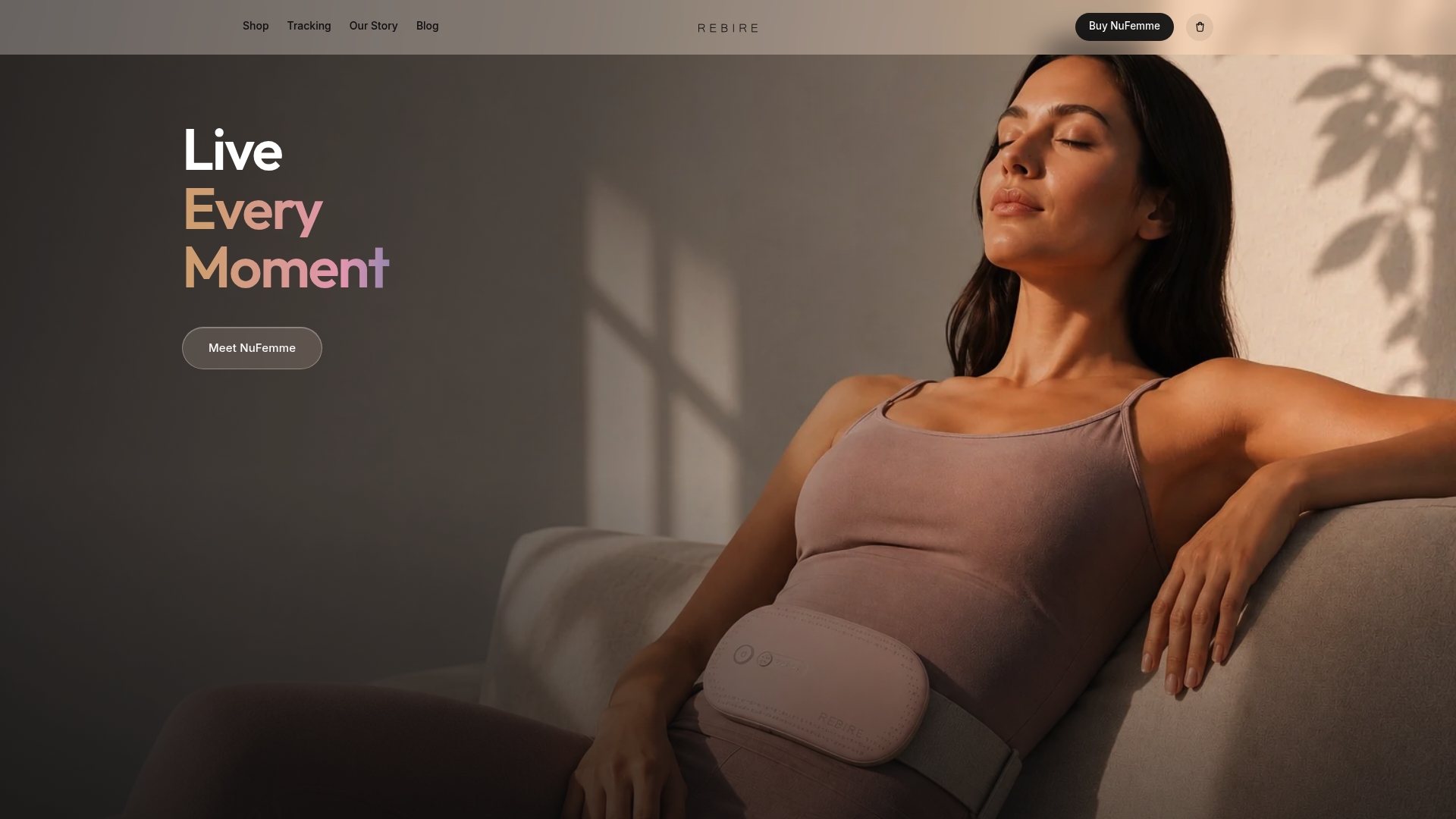
Food can ease the pain, and sometimes you want relief in the moment. We designed NuFemme as a cordless wearable that combines heat, massage and red-light therapy, slipping on discreetly under clothing. It also makes a considered gift for a partner who struggles every month. See NuFemme for period cramps for $338.
This article is general information, not a substitute for advice from a qualified doctor. Consult a qualified healthcare professional about your own circumstances before acting on anything here.
FAQ
What foods are good for period pain?
Omega-3 foods like salmon and walnuts, magnesium sources like spinach and almonds, and calcium-rich choices like yogurt and broccoli are the usual picks. Experts recommend this mix alongside fiber and good hydration.
What relieves period pain fast?
Food usually works gradually, so fast relief typically comes from heat and, if appropriate for you, an NSAID. ACOG lists NSAIDs as first-line treatment for dysmenorrhea, and your clinician can advise on timing.
What not to eat while on your period?
Limit salty and processed foods, sugary snacks, caffeine and alcohol. Salt can add to water retention, while caffeine and alcohol may worsen dehydration and muscle spasms.
Does alcohol make period cramps worse?
It can. Alcohol acts as a diuretic, so it raises the risk of dehydration, which is a known trigger for muscle spasms. Water or herbal tea is a gentler choice during your period.
Sources
- Pubmed
- Effect of Vitamin D Supplementation on Primary Dysmenorrhea: A Systematic Review and Meta-Analysis of Randomized Clinical Trials - PMC
- Got period pain or cramps? What to eat and avoid
- Dysmenorrhea: Painful Periods | ACOG