

If by “vibration” you mean a cordless wearable that pairs steady heat with gentle mechanical vibration, that multimodal approach often gives fast, drug-free relief for period cramps. Many people feel a difference in about 15 minutes, and 93% of NuFemme users reported reduced pain within that window.
TL;DR:
- A review of 57 randomized trials involving more than 5,000 participants found heat reduced pain, with short-term relief comparable to NSAIDs in some trials.
- A trial of a far infrared belt found increased abdominal temperature and blood flow, while average pain duration fell from about 2.5 days to 1.8.
- A randomized trial found a high frequency vibration device produced faster and greater relief than a single low dose of ibuprofen at measured time points.
- Choose adjustable heat and massage, a secure fit under clothing, a quiet motor, automatic shutoff, and stated temperature limits; avoid wearing the device while asleep.
- Stop use if your skin becomes red or too hot, and seek medical care for severe, sudden, or unusual pain; wearables are for typical cramps.
Table of Contents
- Why heat, vibration, and red light work together on cramps
- What the research says about heat and mechanical relief for cramps
- How to choose a wearable device for period cramps
- Quick, safe ways to use your wearable during the day
- TENS versus mechanical vibration massage: how they differ
- Common myths about vibration-based period pain relief
- Keeping your wearable clean and working well
- Real-world scenarios: when a wearable makes the biggest difference
- An evidence-informed perspective on multimodal relief
- NuFemme: cordless relief that works as hard as you do
- FAQ
- Sources
Why heat, vibration, and red light work together on cramps
Period cramps happen when your uterus contracts to shed its lining, and those contractions can cut off blood flow to the muscle tissue for brief moments. That’s where heat comes in. Warmth increases local blood flow and helps the uterine muscle relax, which is why a heating pad has been a go-to for generations.
Mechanical vibration adds another layer. Gentle, steady vibration creates a counter-stimulation effect: it gives your nerves something else to register besides pain signals, and it can help loosen the muscle tension that builds up around your lower abdomen and back during a cramp. Red light, or infrared therapy, works more quietly in the background, supporting deeper warming and circulation beneath the skin’s surface.
What makes a wearable different from a regular heating pad is consistency. A cordless belt keeps delivering steady warmth instead of the on-again, off-again heat you get from a pad that needs reheating or an outlet nearby.
A few practical benefits stand out for anyone trying to get through a workday or errands with cramps:
- Discreet wear: slips under clothing so no one needs to know you’re using it.
- Cordless freedom: no outlet, no sitting still waiting for relief.
- Quiet operation: built for public spaces like an office or a train.
- Adjustable settings: multiple heat and massage levels mean you can match the intensity to what you’re doing.
Pro Tip: Start on a medium heat and medium massage setting for the first 10 minutes, then adjust up or down based on how your body responds. Jot down what combination works best so you’re not guessing next cycle.
What the research says about heat and mechanical relief for cramps
The evidence for heat therapy is some of the most consistent in menstrual pain research. A systematic review of 57 randomized controlled trials involving more than 5,000 participants found that local heat therapy reduced pain compared with no treatment at all, and in several trials it offered short-term relief comparable to NSAIDs, with fewer side effects.
Heat applied through a wearable belt has its own body of evidence. A randomized, sham-controlled trial of a far-infrared belt found that participants wearing the active belt saw their abdominal temperature and blood flow rise, and their average pain duration dropped from about 2.5 days to 1.8 days compared with the control group.
Mechanical vibration has its own trial data too. A randomized trial testing a high-frequency vibratory device called VIPON found that it produced faster and greater pain relief than a single low-dose dose of ibuprofen at the time points measured in the study.
Research snapshot: Across these trials, heat therapy showed measurable pain reduction compared to no treatment, with some trials reporting relief in a similar range to common pain medication.
Study sizes and methods vary, and not every trial used the same device or dosage of heat or vibration. Still, the pattern across this research points the same direction: local heat and mechanical stimulation are reasonable, low-risk options worth trying before or alongside other remedies. You can read a deeper breakdown of the vibration and massage evidence if you want to dig further into how researchers measured these effects.
How to choose a wearable device for period cramps
Not every wearable is built the same way, and the right pick depends on how you plan to use it. These criteria cover both the practical side and what matters if you’re buying one as a gift.
- Check the heat range. Look for multiple heat levels so you can start low and build up as needed.
- Confirm massage speed options. A device with a few vibration intensities lets you match the sensation to your pain level.
- Test the fit. A belt that stays put under your clothes, whether you’re sitting at a desk or walking, matters more than it sounds.
- Review battery life. A longer run-time per charge means fewer interruptions during a heavy cramp day.
- Listen for noise. A quiet motor is the difference between discreet relief and an awkward meeting.
Safety and usability details matter just as much as comfort features:
- Look for a built-in automatic shutoff so the device doesn’t overheat.
- Check for clear temperature limits stated by the maker, usually in the 100 to 107°F range for consumer heat devices.
- Confirm the controls are simple enough to adjust one-handed, even through a layer of clothing.
If you’re shopping for a partner, the unboxing experience says as much as the device itself. A premium finish, thoughtful packaging, and an easy setup process turn a practical gift into one that feels personal rather than last-minute. A clear return policy also matters, since fit and comfort are personal. Our wearable heating pad buying checklist covers more of these details if you want a side-by-side comparison before you decide.
Quick, safe ways to use your wearable during the day
Getting relief fast starts with the right first step. Set your device to a middle heat level and a medium massage speed, then give it 10 to 20 minutes before deciding whether to adjust. Most people notice a shift in that window, and timing your response across a few cycles helps you dial in your ideal setting.
A few safety habits keep the experience comfortable:
- Check your skin periodically for redness and stop if it feels too hot.
- Avoid wearing a heat device while sleeping or on skin that’s numb or has reduced sensation.
- If pain is severe, sudden, or different from your usual cramps, see a doctor. Wearables are meant for the day-to-day discomfort of typical menstrual cramps, not a substitute for medical evaluation.
Pro Tip: Pair your device with a short walk or a few minutes of slow breathing. The combination of movement, breath, and steady heat tends to ease tension faster than any one approach alone.
For more on safe heat ranges and timing, our guide on heat settings for cramps breaks down what different temperature levels are best suited for.
TENS versus mechanical vibration massage: how they differ
When people search for cramp relief, they often come across two different technologies that get lumped together: TENS, which uses low-voltage electrical currents through skin pads, and mechanical vibration, which uses physical motion to create a massage-like sensation. These are not the same thing, and they work through different pathways.

Mechanical vibration, the kind used in wearable belts like a vibratory tampon device or a massage belt, works through direct physical stimulation of muscle and nerve tissue. The VIPON trial tested this kind of device and found it provided faster relief than a single dose of ibuprofen in the study population.
If you’re comparing the two approaches for cramps specifically, mechanical vibration combined with heat has a more direct, intuitive mechanism: it relaxes tense muscle tissue and improves local blood flow at the same time, while also offering the sensory distraction that any form of massage provides. For most people shopping for a drug-free cramp solution, a heat-and-vibration wearable is the more straightforward starting point because it layers multiple well-supported mechanisms into one device rather than relying on a single pathway.
Common myths about vibration-based period pain relief
A few misconceptions tend to follow anyone shopping for a cramp-relief wearable. Clearing them up makes it easier to set realistic expectations.
Myth: Vibration devices are just a novelty with no real evidence. Mechanical vibration has been tested in clinical trials, including the VIPON device study, which found measurable, faster pain reduction compared with a standard dose of ibuprofen.
Myth: Heat only provides temporary distraction, not real relief. The 57-trial systematic review found heat therapy produced genuine pain reduction compared with no treatment, not just a placebo-style distraction.
Myth: Stronger heat or vibration always means better relief. More intense settings can actually increase discomfort or irritate skin. ACOG’s guidance on self-care for painful periods lists heat and massage as accepted non-drug options, but comfort and consistency matter more than intensity.
Myth: A wearable can replace medical care for severe pain. These devices are designed for typical, primary menstrual cramps. Pain that’s severe, sudden, or unusual deserves a conversation with a doctor rather than a stronger heat setting.
Keeping your wearable clean and working well
A cordless cramp-relief device sees regular use, often for several days each month, so a little maintenance keeps it comfortable and hygienic.
Wipe the skin-contact surface with a damp cloth after each use, especially if you’ve been active or sweating. Most wearable belts have a removable or wipeable liner, so check the manufacturer’s instructions before using any soap or cleaning solution directly on the device. Let it air dry fully before storing it, since trapping moisture against the heating element can affect performance over time.
Charge the battery fully before storing the device for an extended period between cycles, and avoid leaving it plugged in continuously once it reaches full charge. Store it somewhere flat and away from direct heat or sunlight to protect the internal battery and heating components.
Check the strap or fastening mechanism periodically for wear, particularly if you wear the device daily during your period. A loose fit reduces contact with the skin, which lowers how effective the heat and vibration feel. Taking a minute to inspect and clean your device between cycles means it’s ready to go the next time cramps start, instead of needing a last-minute fix.
Real-world scenarios: when a wearable makes the biggest difference
The clearest value of a cordless wearable shows up in situations where a traditional heating pad simply isn’t practical. Sitting through a full workday at a desk, commuting on a train, or running errands all present moments where plugging in a heating pad isn’t an option, but a belt under your clothes keeps working the entire time.
For some, the biggest shift isn’t the relief itself but not having to plan their day around pain. Being able to adjust heat and massage settings discreetly, without stepping away from a meeting or pausing an errand, changes how much cramps interrupt daily routines. Others find the device especially useful overnight on the couch before bed, using it to wind down, since manufacturers generally advise against wearing a heat device while actually asleep.
Partners shopping for a gift often share a similar realization: watching someone they care about reach for painkillers or a hot water bottle every month, and wanting to offer something that actually helps rather than another box of chocolates. A wearable that combines heat, vibration, and red light in a premium finish addresses both the practical need and the sentiment behind the gift.
An evidence-informed perspective on multimodal relief
What stands out to me after looking through the dysmenorrhea research is how often people treat period pain as something to just push through. Multimodal wearables change that equation: combining heat and vibration lets you stay at your desk, keep walking, or handle your day while your body gets the kind of relief that used to mean lying down with a heating pad.
The gift angle matters here too. A thoughtful, premium wearable tells someone you’ve actually noticed what they go through every month, which is a different kind of gesture than a last-minute pharmacy stop.
— Lavinia
NuFemme: cordless relief that works as hard as you do
We designed a wearable device combining steady heat, mechanical vibration, and red-light therapy in one cordless belt. Multiple heat levels and massage speeds allow tuning the sensation for different situations.
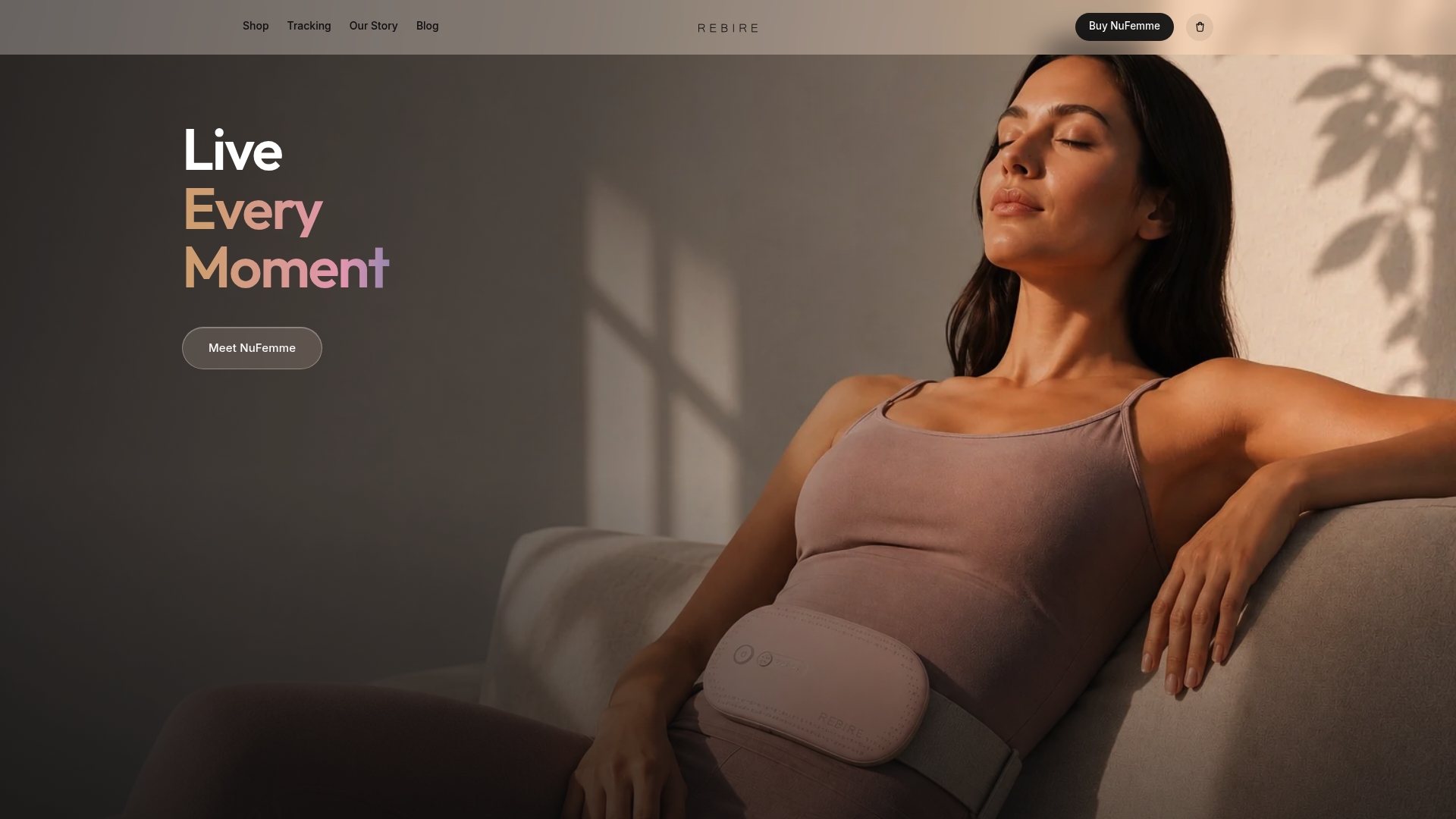
Here’s what makes it a practical fit for the criteria covered above:
- Fast-acting: 93% of users reported reduced pain within 15 minutes.
- Discreet design: worn under clothing, cordless, and quiet enough for public settings.
- Premium finishes: designed to feel like a genuine gift rather than a drugstore pickup.
- Adjustable comfort: multiple heat and massage combinations to find a comfortable setting.
If you want a deeper read on red-light therapy’s broader evidence base for pain, Mercy Chiropractic’s summary of red light trials is a useful outside resource. And if you’re deciding between heat and other home remedies for muscle soreness more generally, this heat-versus-ice breakdown from a physical therapy clinic covers safe at-home protocols.
Ready to see it for yourself? Shop NuFemme for period cramps and find the heat and massage combination that fits your day.
FAQ
Does vibration therapy actually help with period cramps?
Clinical research on mechanical vibration devices, including a randomized trial of the VIPON vibratory tampon, found faster and greater pain reduction compared with a single low dose of ibuprofen. Combined with heat, vibration addresses both muscle tension and blood flow, two of the main drivers behind cramp pain.
How long does it take for a wearable to relieve cramps?
Many users notice a difference within about 15 minutes of using a combined heat-and-vibration wearable, based on internal data from NuFemme users. Clinical trials of similar heat and vibration devices report measurable relief within a similar short window.
Is heat therapy as effective as pain medication for cramps?
A systematic review of 57 randomized trials found that heat therapy can offer short-term pain relief comparable to NSAIDs in some measures, with fewer side effects. Results vary by individual and by how consistently the heat is applied.
What should I check before buying a vibration wearable for cramps?
Look for adjustable heat and massage settings, a comfortable fit under clothing, a quiet motor, and a stated automatic shutoff feature. ACOG lists heat and massage among accepted self-care options, so matching those features to your routine is more important than picking the most powerful setting.
Can a heat and vibration device replace seeing a doctor for severe cramps?
No. These devices are designed for the day-to-day discomfort of typical menstrual cramps, not severe or unusual pain. ACOG recommends medical evaluation if pain is severe, sudden, or different from your normal pattern.
Sources
- Heat therapy for primary dysmenorrhea: a systematic review and meta-analysis - PMC
- A Randomized Trial Comparing the VIPON Tampon and Ibuprofen for Dysmenorrhea Pain Relief - PubMed
- Dysmenorrhea: Painful Periods | ACOG