

Yes, massage can ease period cramps for many people, and the fastest place to start is gentle abdominal strokes with a warm pack. Primary dysmenorrhea affects more than half of menstruating individuals, and a 2024 systematic review found massage may bring short-term relief, though the trial quality is low to moderate.
TL;DR:
- Use light clockwise strokes around the navel for 5 to 15 minutes; choose lower back strokes for radiating pain, and treat reflex points as optional extras.
- Combine massage with comfortable heat, then gentle walking or stretching; it can complement NSAIDs, but persistent pain that disrupts daily activities warrants clinical evaluation.
- Stop and seek prompt care for sudden or severe pain, fever, unusual discharge, dizziness, or fainting; avoid massage over broken or irritated skin.
- Essential oils remain optional because research combined scent and touch; dilute according to product directions, patch test first, and skip them after any skin reaction.
Table of Contents
- Does massage help menstrual cramps? What the research says
- How massage may reduce cramps
- Practical massage techniques to try
- A 10-minute self-massage routine for quick relief
- Essential oils with massage: dilution and skin tests
- How to combine massage with heat, movement and medication
- Safety, precautions and when to seek help
- Three micro-routines under 5 minutes
- How to integrate a wearable like NuFemme into your cramp routine
- Benefits of cordless wearable therapy compared to traditional methods
- Choosing the right massage and heat settings for your comfort
- The emotional and relational value of gifting cramp relief
- Tips for partners on thoughtful gift-giving for menstrual self-care
- An editorial view: massage first, tools to extend it
- NuFemme: cordless heat, massage and red-light relief
- FAQ
- Sources
Does massage help menstrual cramps? What the research says
Cramps come from prostaglandins, the compounds that make the uterus contract. Primary dysmenorrhea is common enough that more than 50% of menstruating individuals feel some pain for a day or two each month. Symptoms go beyond the belly: lower back cramps, nausea, headaches and diarrhea often come along. That is why many people look for options that do not rely on pills alone.
A 2024 systematic review reports that massage and similar non-drug approaches can offer potential short-term pain relief for primary dysmenorrhea, though most trials are rated low to moderate quality. Read that as encouraging, not conclusive. You can find the full analysis in the network meta-analysis.
A separate meta-analysis of manual therapy, which covers massage and acupressure, found it may work better than no treatment and gave mixed results against NSAIDs. The certainty of that evidence was often low, and the trials differed a lot from one another.
Individual trials add some texture. In a controlled trial with high school girls, aromatherapy abdominal massage reduced menstrual pain more than acetaminophen at 24 hours. The researchers could not separate the effect of the oil from the effect of the touch. A registered university study asked participants to use clockwise abdominal effleurage for 10 minutes a day on the first three days of the cycle and tracked pain across cycles.
The practical takeaway: massage is likely to help many people, it is not guaranteed, and most of the benefit shows up in the short term, from right after a session to about a day later.

How massage may reduce cramps
Nobody has pinned down one single mechanism, so what follows are plausible explanations rather than proven pathways.
Circulation. Stroking the skin and the muscle just beneath it increases local blood flow and loosens tension in the superficial muscle and fascia around the lower abdomen and back. Cramping muscles tend to tighten the whole area, and easing that tightness can make the deeper ache feel less sharp. If you want a clinician’s overview of why hands-on work can change pain and mobility, this explanation of manual therapy benefits is a helpful read.
A calmer nervous system. Slow, rhythmic touch tends to relax you. When your body shifts out of a tense, braced state, pain often feels less intense, even if the contractions themselves have not changed. This is one reason massage pairs so well with deep breathing.
Why light pressure wins. Practitioners recommend light, effleurage-style strokes over the abdomen while you are actively cramping. Deep pressure on an already irritated area can add discomfort instead of relieving it. Think of it as soothing the area, not working out a knot.

Scent and the brain. When massage is combined with aromatherapy, the smell may add a further effect through the brain’s emotional centers. We cannot say how much of the benefit comes from the oil and how much from the touch, because trials usually combine the two. For a broader look at the mixed evidence on massage and pain, the 2018 to 2023 mapping review found that most conclusions for pain conditions are low or very low certainty, with moderate certainty for some conditions.
Practical massage techniques to try
Here are several massage techniques to consider.
- Abdominal effleurage: Use flat fingers or the palm of your hand and make slow, light clockwise strokes around the navel. Clockwise follows the direction your digestive tract moves. Keep going for 5 to 15 minutes.
- Lower-back soothing strokes: Cramps often refer pain to the back. Use the heel of your hand or a loose fist to stroke from the base of the spine outward, then add gentle kneading across the muscles beside the spine.
- Acupressure points: Press with a thumb or fingertip for brief holds, using firm but comfortable pressure. Never press on or rub broken skin, and ease off if it hurts sharply.
- Foot and pelvic adjuncts: Gentle stroking around the pelvic area, or pressing reflex points on the feet, can be added if you enjoy them. Treat these as extras rather than the main event.
How to choose: reach for abdominal effleurage when the pain sits low in the belly, lower-back strokes when it radiates behind you, and acupressure when you want a short, targeted option at your desk.
On oils, use a plain carrier oil such as sweet almond when you want simple glide with no scent. Use an essential-oil blend only if you enjoy the smell and have patch-tested it, which we cover below.
A 10-minute self-massage routine for quick relief
Gather a carrier oil, a warm pack and, if you plan to use scent, a diluted and patch-tested blend. Skip any area with broken skin. Then follow these steps.
- Lie back with your knees bent and take some slow breaths in through your nose and out through your mouth.
- Place a warm pack on your lower belly briefly, if you like heat.
- Warm a little oil in your hands and use slow, light clockwise strokes around your navel for as long as feels comfortable.
- Roll to one side or sit up and use gentle strokes and kneading across your lower back for as long as feels comfortable.
- Finish by using short, comfortable holds on any acupressure points you choose.
Pro Tip: Keep the pressure light enough to feel comfortable; if a stroke makes the pain spike, ease off and slow down.
Stop if you notice increasing sharp pain or dizziness. On difficult days, you can repeat the routine if it feels comfortable. Relief may be immediate or develop gradually, so notice how you feel before deciding whether it is helping. Clinical guidance describes massage as one part of a drug-free comfort plan alongside heat and gentle movement, not a standalone cure.
Essential oils with massage: dilution and skin tests
Many people like adding scent, and several oils show up in the research. The aromatherapy trial used a blend of lavender, marjoram, cinnamon, ginger and geranium in almond oil. Lavender, clary sage and rose are other popular choices in this area.
In that controlled trial, aromatherapy abdominal massage reduced menstrual pain more than acetaminophen at 24 hours, but the study could not separate the oil’s effect from the massage itself. Because oil and touch were combined, treat scent as an optional bonus.
- Dilute: Follow the essential-oil product’s dilution instructions, and use particular caution on sensitive skin.
- Choose a carrier: Sweet almond, jojoba or coconut oil are all gentle options.
- Patch test: Mix your blend, apply a small amount to the inner forearm, and monitor the area for a reaction before using it more widely. Skip the oil if you see redness, itching or swelling.
- Skin check: Never apply to broken or irritated skin.
How to combine massage with heat, movement and medication
Massage works best as one piece of a plan. Pair it with heat first, using a pack at a comfortable temperature, then massage while the muscles are loose. We looked at why heat is such a strong first choice in our piece on heat belts versus heating pads.
Next, let massage prepare you for movement. Easing tension first makes gentle walking or a few poses more comfortable, and our guide to yoga for period cramps has routines of 15 minutes or 5 minutes in bed.
NSAIDs may be an option to discuss with a healthcare professional, and massage can complement other approaches, but it will not replace medication for everyone. If self-care is not enough, get evaluated to rule out conditions like endometriosis or fibroids, as the NHS advises. Our overview of drug-free period cramp relief covers other non-drug options too.
Safety, precautions and when to seek help
Massage is gentle, but a few cautions apply.
- Do not massage over open wounds or irritated skin.
- Skip it after recent pelvic surgery, or if your clinician has told you not to.
- Seek prompt care for sudden or severe pain, fever, unusual vaginal discharge, dizziness or fainting, or if your usual pain relief does not help, as MedlinePlus advises.
- If cramps keep you from normal activity despite self-care, book an evaluation so a clinician can look for underlying causes.
- Ask about physical therapy or a pelvic-health referral if tension seems to be part of the picture.
Persistent pelvic pain can have many causes, and NHS guidance on pelvic pain notes that treatment depends on what is behind it. For example, if you are dealing with a condition like endometriosis, you will want a specialist’s input, not just home care.
Three micro-routines under 5 minutes
Not every moment has room for a full routine. Try these.
- At your desk: Do seated lower-back strokes with your knuckles, press one or two points discreetly, and add a few small pelvic tilts.
- In bed: Place a warm compress on your belly, then do slow abdominal effleurage before you sleep for as long as feels comfortable.
- On the go: Stand and do gentle pelvic squeezes, then take a short walk with one hand resting lightly on your belly.
How to integrate a wearable like NuFemme into your cramp routine
Hands-on massage is great when you can lie down. A wearable fills the gaps. Our NuFemme is a cordless belt that combines heat, massage and red-light therapy, so you can slip it on under your clothes and keep going with your day.
Here is how we suggest using it alongside the techniques above. Start your morning with a few minutes of self-massage to loosen the area, then put on the belt for the commute or the workday. Use it again at lunch if cramps return. At night, wear it while you read, and finish with your abdominal strokes if you like the ritual.
The idea is to layer, not replace. Your hands handle targeted spots, and the belt provides steady warmth and gentle vibration while you stay mobile. If you tried a stroke at your desk and wished for a way to keep that comfort going without stopping what you are doing, that is exactly the gap a wearable covers.
Benefits of cordless wearable therapy compared to traditional methods
Traditional options all work for someone, and each has a catch. A heating pad needs an outlet, so you are tied to the couch or bed. A hot water bottle cools quickly. Hand massage needs free time and a spot to lie down. Pills help many people but are not what everyone wants every month.
A cordless wearable changes the trade-off in a few ways:
- Freedom to move: There is no cord and no waiting at home, so you can walk, work or run errands.
- Everything in one place: Heat, massage and red light come together in a single belt instead of three separate gadgets.
- Discretion: It sits under your clothes, so you can use it at a meeting or in a classroom without announcing it.
- Hands-free comfort: Your hands stay free for whatever else you are doing.
We share our internal user reports as data points, not proof, since they are not peer-reviewed research. If you are weighing the options, our 15-minute relief guide walks through heat, movement and wearables side by side.
Choosing the right massage and heat settings for your comfort
Comfort is personal, and what feels soothing to one person feels like too much to another. NuFemme offers adjustable heat and massage settings, so you can tune it to how you feel that day.
A simple way to find your level:
- Start low. Begin on the lowest heat and the slowest massage speed, especially on a first use.
- Step up gradually. If you want more, move up one setting at a time and give it a couple of minutes before changing again.
- Match the moment. Many people prefer gentle warmth when sitting at a desk and a stronger setting when resting at home.
- Listen to your skin. The heat should feel pleasantly warm, never hot or uncomfortable. If your skin feels sore or flushed, lower the level or take a break.
- Remember your hands. If a certain moment calls for slower, lighter pressure, switch to the lowest speed or finish with a few manual strokes.
Your preference may shift through your cycle, and that is normal. Some people prefer more heat on heavier cramp days, while lighter days may call for a gentler setting. Treat the settings as a dial you adjust, not a rule to follow.
The emotional and relational value of gifting cramp relief
Period pain is easy to dismiss from the outside, because it is private and recurring and many people quietly push through it. A gift that targets it says something a bouquet cannot: I noticed what you go through, and I want to make it easier.
That message lands whether the gift comes from a partner, a parent, a sibling or a friend. It treats the pain as real and worth solving, rather than something to endure. For the person receiving it, the practical benefit matters, but so does feeling seen.
There is also a self-care angle. Many people buy for others far more readily than for themselves, so a gift can give permission to prioritize comfort. A device in Rose Gold or Ivory also feels considered in a way a last-minute drugstore pickup does not.
If you are buying for yourself, the same logic applies. Choosing a premium option is a way of taking your own discomfort seriously.
Tips for partners on thoughtful gift-giving for menstrual self-care
If you are shopping for someone you love, a few ideas help you get it right.
- Listen first. Pay attention to what she says about her cycle. Does she work long hours at a desk, travel, or stay home on the worst days? The right gift fits her routine.
- Pick function over novelty. Choose something she can actually use during cramps, like a wearable that works while she moves, rather than something decorative.
- Think discretion. Many people prefer relief that does not draw attention, so a belt that fits under clothes can be a relief.
- Pair it with presence. Offer to handle dinner or errands on a hard day. The gift opens the conversation, and your support makes it count.
- Skip the commentary. Avoid jokes or hints that the pain is exaggerated. Present the gift as care, plain and simple.
- Let her set the settings. Comfort is personal, so let her decide what feels right instead of guessing.
A thoughtful gift does not need to be elaborate. It needs to show you were paying attention.
An editorial view: massage first, tools to extend it
Our stance is simple. We believe massage is worth trying while staying honest about its limits. The trials are small and mixed, so nobody should promise you a cure.
Some NuFemme users have reported pain relief, though those reports do not establish how quickly or how often it occurs. That is non-peer-reviewed, and we treat it as one useful data point beside the research, not a replacement for it. Try the routines in this article, notice what helps, and see a clinician if your symptoms persist.
— Lavinia
NuFemme: cordless heat, massage and red-light relief
If you want relief that moves with you, NuFemme is our cordless wearable that combines heat, vibration massage and red-light therapy in one belt. It has adjustable heat and massage settings, a rechargeable battery, and sits discreetly under your clothes.
It suits self-purchasers who want symptom relief, gift buyers shopping for someone they care about, and anyone who needs comfort on the go. NuFemme is $338, one-off.
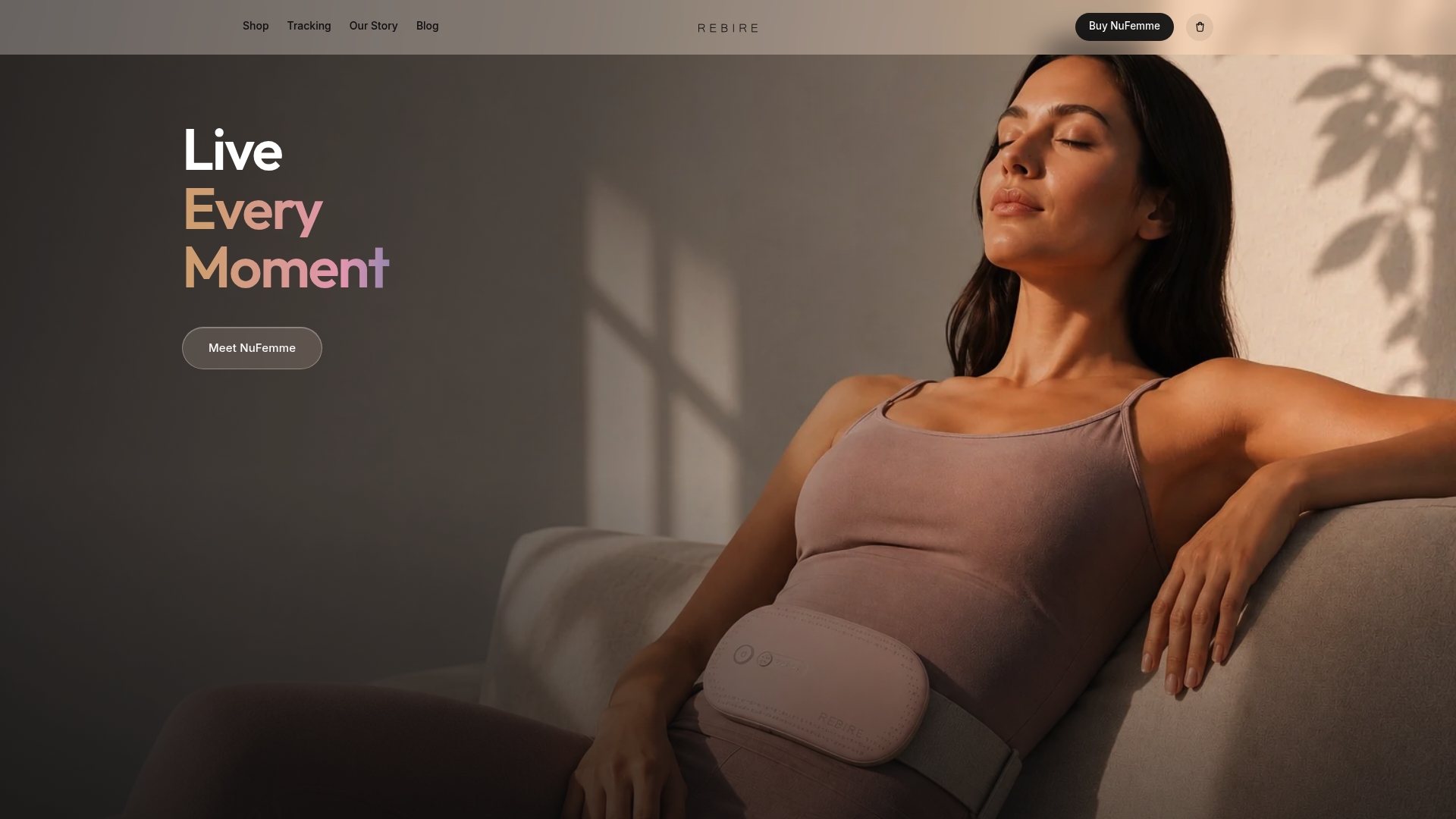
See details and order on the NuFemme product page.
This article is general information, not a substitute for advice from a qualified doctor. Consult a qualified healthcare professional about your own circumstances before acting on anything here.
FAQ
Can you massage menstrual cramps away?
Massage can ease cramps for many people, but it rarely makes them vanish completely. The best evidence points to short-term relief, as seen in a systematic review of non-drug approaches. Combine it with heat for the best chance of comfort.
What is dysmenorrhea and what are its symptoms?
Dysmenorrhea is the medical term for painful periods. Primary dysmenorrhea is caused by prostaglandins, and symptoms include abdominal and lower back cramps, nausea, vomiting, headaches and diarrhea, according to this PMC review.
What yoga poses can help with period cramps?
Gentle, low-effort poses that open the hips and relax the lower back tend to feel best during cramps. Our guide to yoga for period cramps offers a 15-minute routine and a 5-minute one you can do in bed.
What stops period cramps immediately?
Nothing works instantly for everyone, but a warm pack on the lower belly plus gentle abdominal massage is a quick combination to try. If pain is severe or sudden, or comes with fever or fainting, follow MedlinePlus guidance and seek care.
Sources
- Pmc
- Efficacy of non-pharmacological interventions for primary dysmenorrhoea: a systematic review and Bayesian network meta-analysis
- Medlineplus